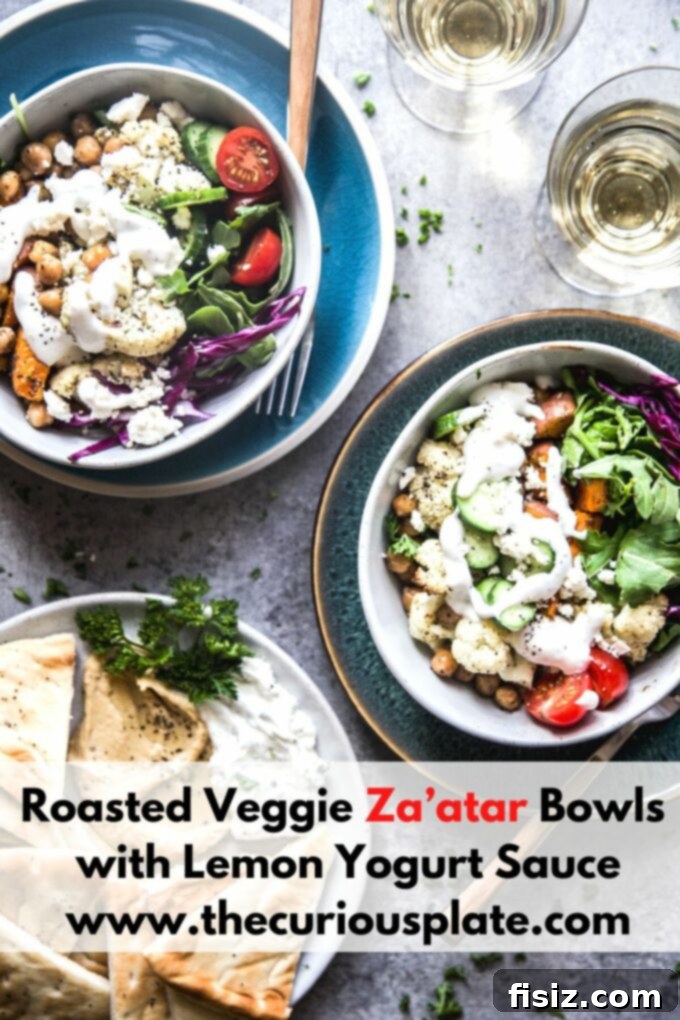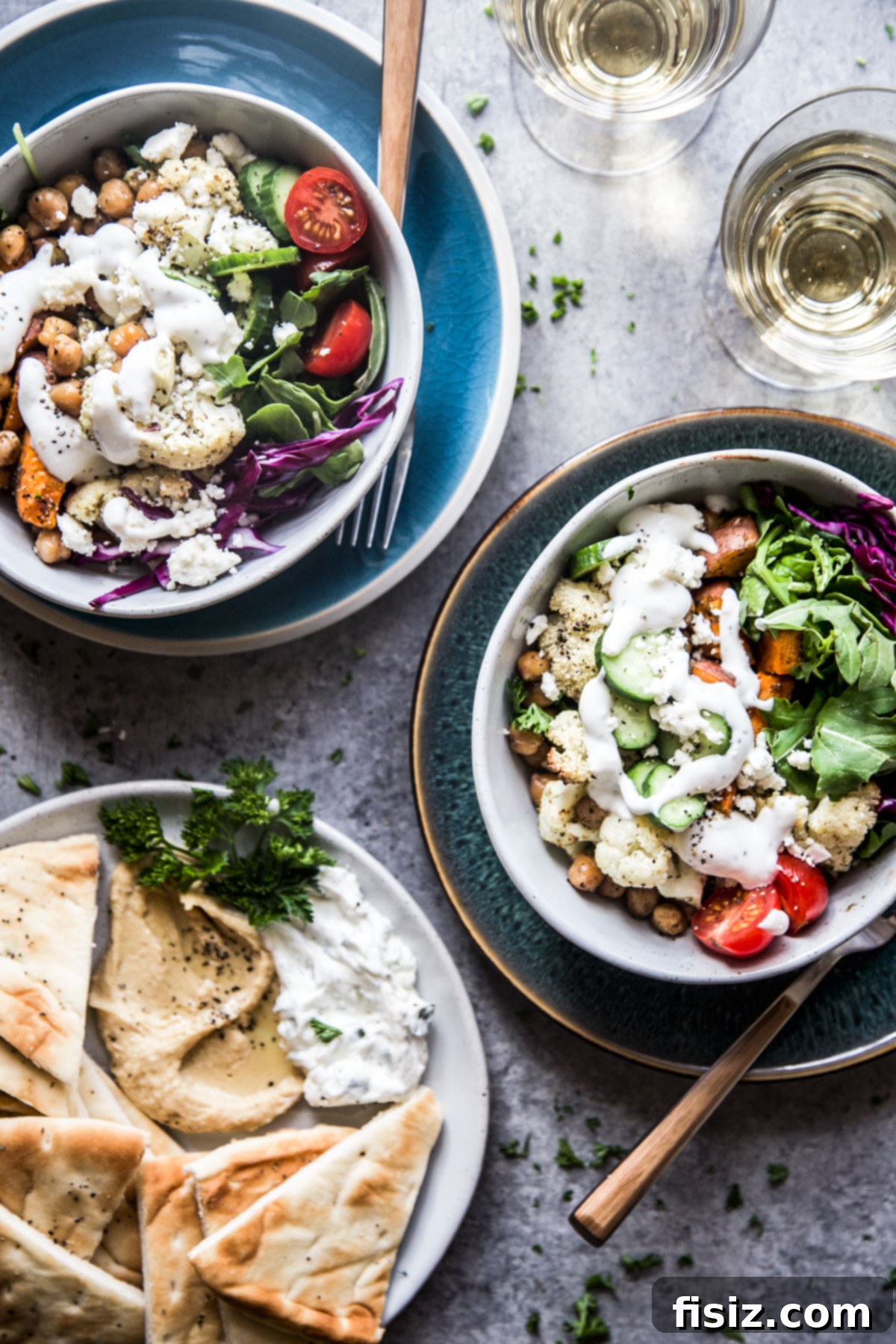
Welcome to the vibrant world of Roasted Veggie Za’atar Bowls – a culinary journey that brings the rich, aromatic flavors of the Middle East straight to your kitchen. This vegetarian masterpiece is a delightful combination of protein-rich vegetables, infused with earthy Za’atar spices, and finished with a bright, zesty Lemon Yogurt Sauce. It’s not just a meal; it’s an experience designed to tantalize your taste buds while nourishing your body. Perfect for a quick weeknight dinner or a healthy meal prep option, this dish boasts a harmonious blend of textures and tastes, all roasted to perfection in less than 30 minutes.
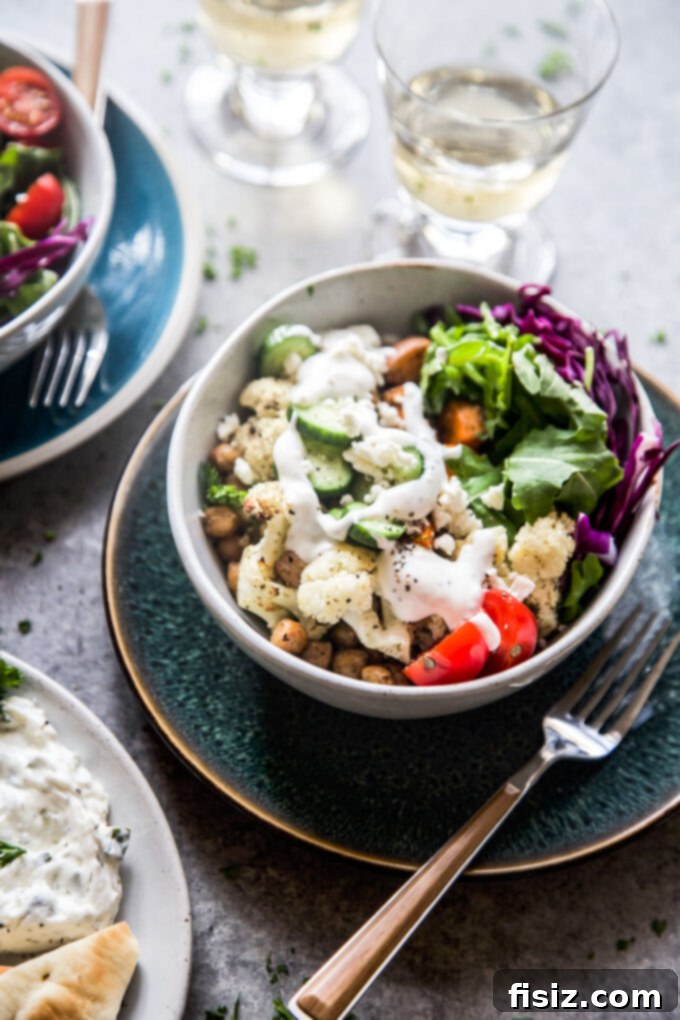
There’s something truly magical about oven-roasted vegetables. While raw, steamed, or sautéed veggies certainly have their place, the act of roasting transforms them. The high heat coaxes out their natural sweetness, creating irresistible golden-brown edges and beautifully caramelized surfaces that add depth and complexity to any dish. This particular bowl is a feast for the eyes and the palate, packed with vibrant colors and textures that promise a satisfying culinary adventure.
This Roasted Veggie Za’atar Bowl draws inspiration from beloved Middle Eastern cuisine, building upon the foundations of a similar cherished recipe, my Roasted Veggie Shawarma Bowls. While both dishes feature a robust trio of cauliflower florets, hearty chickpeas, and sweet potatoes, this Za’atar version takes a distinctive turn. Here, the vegetables are generously coated in a sensational Za’atar seasoning blend, offering a unique herbaceous and tangy profile. This is beautifully complemented by a zesty lemon yogurt dressing, providing a refreshing counterpoint to the warm spices. The addition of salty feta crumbles and crisp, fresh garnishes elevates this dish into a truly phenomenal vegetarian bowl – one that is not only undeniably delicious but also remarkably healthy and packed with wholesome goodness.
Discovering the Magic of Za’atar Seasoning
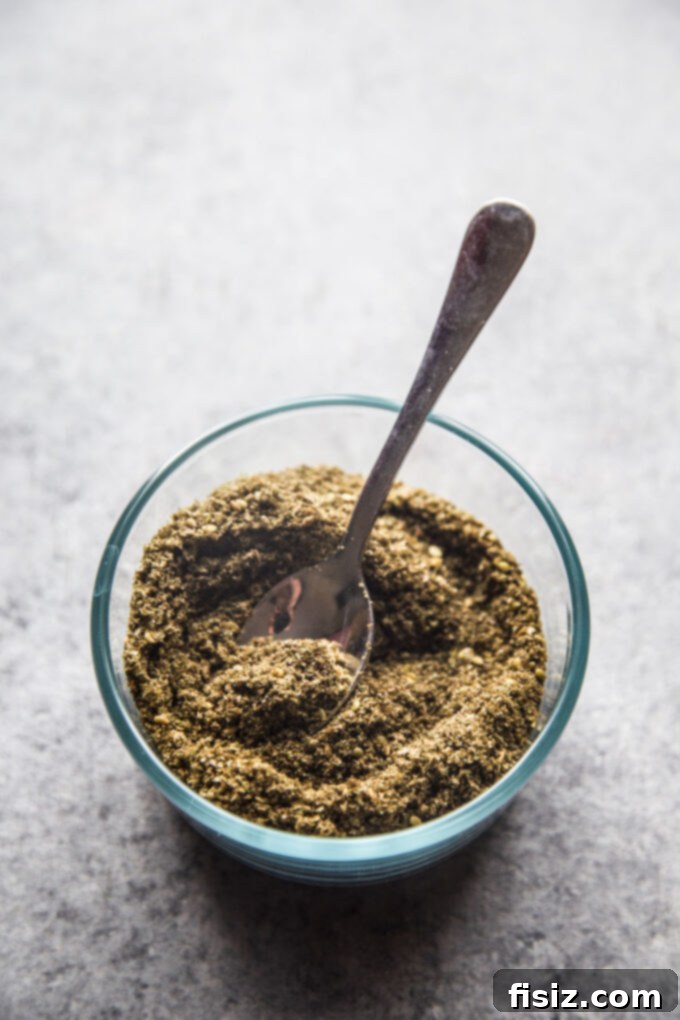
At the heart of these flavorful Roasted Veggie Za’atar Bowls lies the star ingredient: Za’atar seasoning. This exquisite blend of Middle Eastern herbs and spices is renowned for its ability to impart a robust, exotic, and deeply aromatic flavor to a wide array of dishes. While the exact composition of Za’atar can vary slightly depending on the region or specific brand, it typically features a harmonious mix of dried oregano, marjoram, and thyme. These herbs contribute a fragrant, slightly bitter, and subtly minty note to the blend.
A crucial component of authentic Za’atar is sumac. This vibrant, deep crimson spice is often mistaken for chili powder due to its color, but it’s actually not spicy at all. Instead, sumac delivers a distinctive sharp, tangy, and somewhat fruity flavor that brightens the entire blend, reminiscent of lemon zest. The visual appeal of sumac, with its rich red hue, is truly captivating. Completing the Za’atar profile are toasted sesame seeds, which add a delightful nutty crunch and a subtle smoky undertone, contributing to the seasoning’s complex and earthy character. This combination creates a truly unique flavor profile that is both ancient and wonderfully adaptable to modern cuisine, making it perfect for elevating simple roasted vegetables into something extraordinary. If you’re looking for an easy way to purchase it, you can often find high-quality Za’atar online or in specialty spice shops.
Essential Ingredients for Your Za’atar Bowls
Crafting these delectable Roasted Veggie Za’atar Bowls begins with a selection of fresh, wholesome ingredients. A quick visit to your local farmer’s market or grocery store will provide everything you need to assemble this nutritious and flavorful meal. Even if you can’t find a pre-made Za’atar blend, don’t worry! It’s surprisingly simple to create your own homemade version, ensuring you never miss out on its unique taste. Below, we detail the key components that bring this dish to life, along with options for customization and substitution.
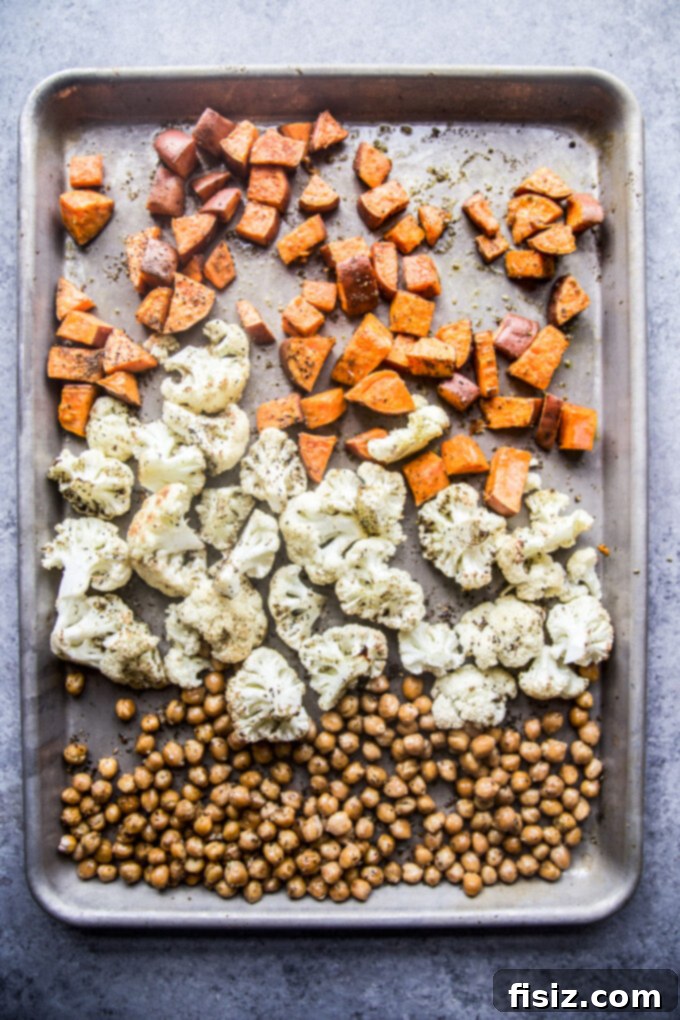
- Versatile Vegetables: My preferred combination for these bowls includes cauliflower cut into small florets, a can of chickpeas (drained and thoroughly rinsed), and a medium-sized sweet potato diced into small, even cubes. This trio provides a delightful mix of textures and nutrients. However, the beauty of this dish lies in its flexibility; feel free to experiment by swapping or adding other vegetables you enjoy, such as broccoli, bell peppers, or zucchini.
- Authentic Za’atar Seasoning: This cornerstone ingredient can be sourced from most local spice shops, the international aisle of larger grocery stores, or conveniently ordered online through platforms like Amazon. If you find yourself without a ready-made blend, you can easily create your own. A simple homemade Za’atar involves combining dried thyme, marjoram, oregano, toasted sesame seeds, a pinch of salt and pepper, and, if available, a touch of lemon zest for that characteristic tang.
- Seasoning Staples: A dash of kosher salt and freshly ground black pepper, adjusted to your personal taste, is essential for bringing out the natural flavors of the vegetables.
- Quality Olive Oil: A good quality extra virgin olive oil is crucial for coating the vegetables, allowing them to roast beautifully, achieve crisp edges, and absorb the Za’atar seasoning effectively.
- Homemade Lemon Yogurt Dressing: The vibrant dressing provides a refreshing counterpoint to the roasted vegetables. It’s a simple yet invigorating blend of creamy Greek yogurt, fresh lemon juice (for a bright, zesty kick), and minced garlic cloves, creating a sauce that’s both creamy and full of flavor.
- Fresh Garnishes: Topping your bowls with fresh, crisp garnishes adds an explosion of freshness and textural contrast. I particularly love using thinly sliced cucumbers, sweet grape tomatoes, shredded red cabbage, and crumbled feta cheese. These additions not only enhance the flavor but also make the dish visually stunning and incredibly satisfying.

Crafting Perfect Roasted Veggie Za’atar Bowls with Lemon Yogurt Sauce
The beauty of these Roasted Veggie Za’atar Bowls lies not only in their incredible flavor but also in their straightforward preparation. The process is remarkably simple: season your chosen vegetables, roast them until tender-crisp, whip up the refreshing lemon yogurt sauce, and finally, assemble your vibrant bowls. You’ll be amazed at how quickly you can get these wholesome, Middle Eastern-inspired bowls on the table – often in less than 30 minutes from start to finish! This makes it an ideal choice for busy weeknights when you crave something nutritious, delicious, and satisfying without spending hours in the kitchen.
Let’s walk through the steps to create this culinary delight:
Preparations:
- Begin by preheating your oven to a robust 425 degrees Fahrenheit (220 degrees Celsius). This high temperature is key to achieving perfectly roasted vegetables with caramelized edges.
- Line a large baking sheet with parchment paper or spray it generously with a nonstick cooking spray. This prevents sticking and makes cleanup a breeze.
Steps:
- Prepare and Season the Vegetables: On your prepared baking sheet, spread the cauliflower florets, chickpeas, and diced sweet potatoes in a single, even layer. Drizzle them generously with olive oil, then season with a liberal amount of kosher salt, freshly ground black pepper, and the star of the show, Za’atar seasoning. Use your hands to toss everything together until the vegetables are uniformly coated with the oil and spices. Ensure they are well-distributed on the sheet pan, avoiding overcrowding, which can lead to steaming rather than roasting.
- Roast to Perfection: Place the baking sheet into your preheated oven. Roast the vegetables for approximately 20 to 25 minutes. About halfway through the cooking time (around the 10-12 minute mark), give them a good toss with a spatula. This ensures even cooking and promotes browning on all sides. The vegetables are ready when they are fork-tender inside and beautifully golden and slightly crisp on the outside. Once cooked, remove them from the oven and set them aside to cool slightly.
- Whisk the Creamy Lemon Yogurt Dressing: While your vegetables are roasting, you have the perfect window to prepare the refreshing lemon yogurt sauce. In a small bowl, combine the plain Greek yogurt, fresh lemon juice, minced garlic, a pinch of salt, and a dash of black pepper. Whisk these ingredients together until the sauce is smooth, creamy, and well-combined. Taste and adjust seasonings as needed – perhaps a little more lemon for extra tang or salt for balance.
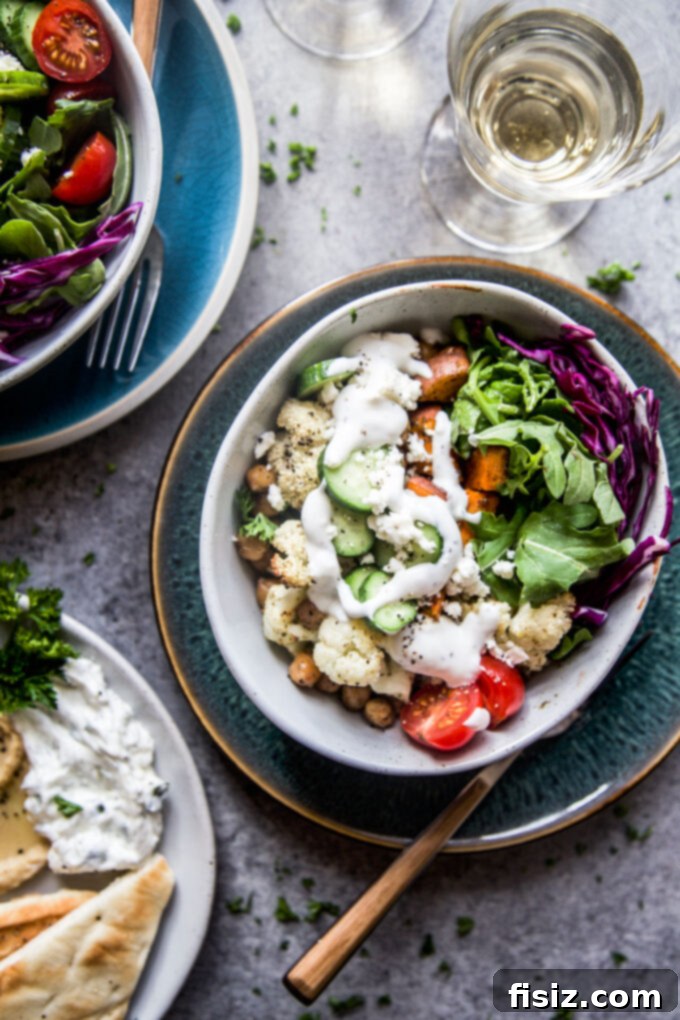
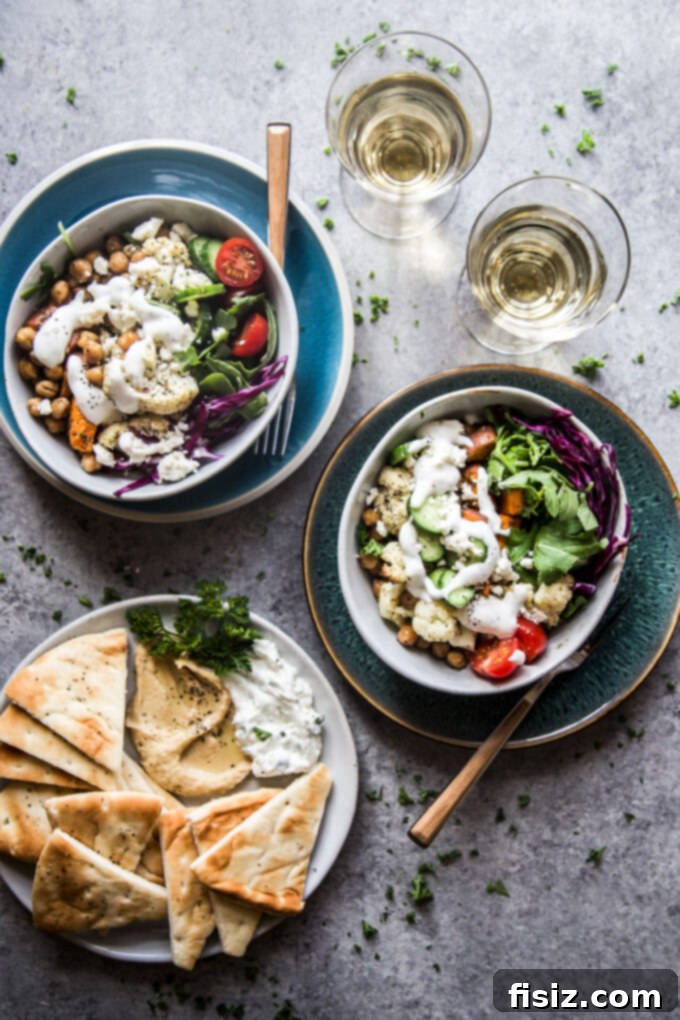
- Assemble and Savor: To serve, begin by placing a bed of fresh lettuce or your favorite greens on a plate or in a bowl. Neatly arrange the warm, roasted Za’atar vegetables on top of the greens. Generously add your chosen fresh garnishes, such as sliced cucumbers, grape tomatoes, shredded red cabbage, and crumbled feta cheese. Finally, drizzle the creamy and zesty lemon yogurt sauce over the entire bowl. Serve immediately and enjoy the delightful medley of flavors and textures in every bite!
Creative Recipe Variations to Explore
One of the most appealing aspects of these Roasted Veggie Za’atar Bowls is their incredible versatility. This recipe serves as an excellent foundation, allowing for countless customizations by swapping ingredients, adding new components, or modifying it to suit various dietary preferences and palates. Whether you’re looking to bulk it up, make it vegan, or simply introduce new flavors, these variations will inspire you to make this dish uniquely your own.
- Explore Diverse Vegetables: While cauliflower, chickpeas, and sweet potatoes are a fantastic trio, don’t hesitate to experiment with other vegetables. Excellent alternatives or additions include tender broccoli florets, colorful bell peppers, earthy eggplants, delicate asparagus spears, classic potatoes, sweet carrots, nutritious Brussels sprouts, or various types of squash like butternut or acorn squash. Each vegetable will bring its own unique texture and flavor profile to the bowl.
- Incorporate Wholesome Grains: To transform this vibrant side dish into a more substantial and filling main course, consider adding a base of cooked grains. Nutritious options like fluffy quinoa, hearty brown rice, or earthy wild rice integrate beautifully, soaking up the flavors of the Za’atar and the lemon yogurt dressing, making it a complete meal.
- Embrace a Vegan Lifestyle: It’s incredibly easy to adapt this vegetarian dish into a fully plant-based, vegan meal. Simply substitute traditional Greek yogurt with a dairy-free alternative made from cashews, soy, or oats. Remember to also omit the feta crumbles to ensure it’s completely vegan-friendly. The resulting bowl will still be wonderfully creamy, tangy, and satisfying.
- Ignite with a Touch of Heat: If you appreciate a fiery kick in your meals, it’s simple to introduce some heat to your Roasted Veggie Za’atar Bowls. Sprinkle a pinch of chili powder or red chili flakes over the vegetables before roasting. For a fresh burst of spice, garnish your finished bowls with thinly sliced jalapeños or a sprinkle of a vibrant hot sauce.
- Add Protein for Heartiness: While this recipe is already rich in plant-based proteins from the chickpeas, you can easily make it even heartier. For a more substantial lunch or dinner, consider adding cooked meats like savory sausages, crispy bacon bits, or shredded chicken. These additions can transform the bowl into a truly robust and satisfying meal, perfect for meat-lovers.
- Spice it Up Differently: While Za’atar is the star, don’t shy away from adding other spices. A pinch of cumin, smoked paprika, or coriander can add an extra layer of complexity to the roasted vegetables.
- Different Dressings: If you’re not a fan of yogurt, a simple tahini-lemon dressing or a red wine vinaigrette could be delicious alternatives.
Expert Tips for Perfect Roasted Veggie Za’atar Bowls
Achieving perfectly roasted vegetables that are tender on the inside and deliciously crispy on the outside is key to these incredible Za’atar Bowls. Follow these helpful tips to ensure your dish turns out flawlessly every time, maximizing flavor and texture while minimizing effort.
- Uniform Cutting is Crucial: To ensure that your sweet potatoes and cauliflower florets cook evenly and at the same rate, make sure to cut them into roughly equal sizes. This prevents some pieces from being undercooked while others are burnt. Consistency in size promotes consistent roasting.
- Skip Peeling Sweet Potatoes: Save yourself valuable prep time! The skin of sweet potatoes is thin, perfectly edible, and even contains additional nutrients and fiber. There’s absolutely no need to peel them for this recipe. Just give them a good scrub before dicing.
- Pat Your Veggies Dry: Before tossing your vegetables with olive oil and spices, it’s vital to pat them thoroughly dry with a clean kitchen towel or paper towels. Any excess moisture on the surface of the vegetables will create steam in the oven, leading to soggy rather than beautifully golden and crisp results. Dry veggies caramelize better.
- Avoid Overcrowding the Pan: This is one of the most common mistakes in roasting. For optimal browning and crispiness, arrange your vegetables in a single layer on the baking sheet, ensuring there is ample space between each piece. Overcrowding traps steam, hindering the caramelization process. If necessary, use two baking sheets to give the vegetables enough room to breathe and allow maximum surface heat exposure.
- High Heat is Your Friend: Roasting at a high temperature (400-425°F or 200-220°C) is essential. High heat encourages quick caramelization and crisping of the exterior while keeping the interior tender.
- Toss Midway: As mentioned in the instructions, tossing the vegetables halfway through the roasting time helps ensure even cooking and browning on all sides. This also prevents them from sticking to the pan.
Storing and Reheating Notes
These Roasted Veggie Za’atar Bowls are fantastic for meal prepping, allowing you to enjoy healthy, flavorful meals throughout the week. To maintain the best possible texture and freshness, it’s recommended to store the components separately until you’re ready to assemble and serve.
You can store the roasted Za’atar vegetables in an airtight container in the refrigerator for up to four days. For optimal tender-crispness, it is best to keep them separate from the lemon yogurt dressing during storage. The dressing can also be stored in a separate lidded container in the fridge for up to 5 days. When you’re ready to enjoy, you can reheat the roasted vegetables using your microwave for a quick warm-up, or for a crispier result, spread them on a baking sheet and warm them in the oven at 350°F (175°C) for about 5-10 minutes. Once the veggies are warm, assemble your bowl with fresh greens and garnishes, and drizzle generously with the chilled lemon yogurt sauce right before serving. This method ensures that each component retains its desired texture and flavor. I do not recommend freezing the roasted vegetables, as the texture can become unpleasantly mushy and watery upon reheating, significantly diminishing the quality of the dish.
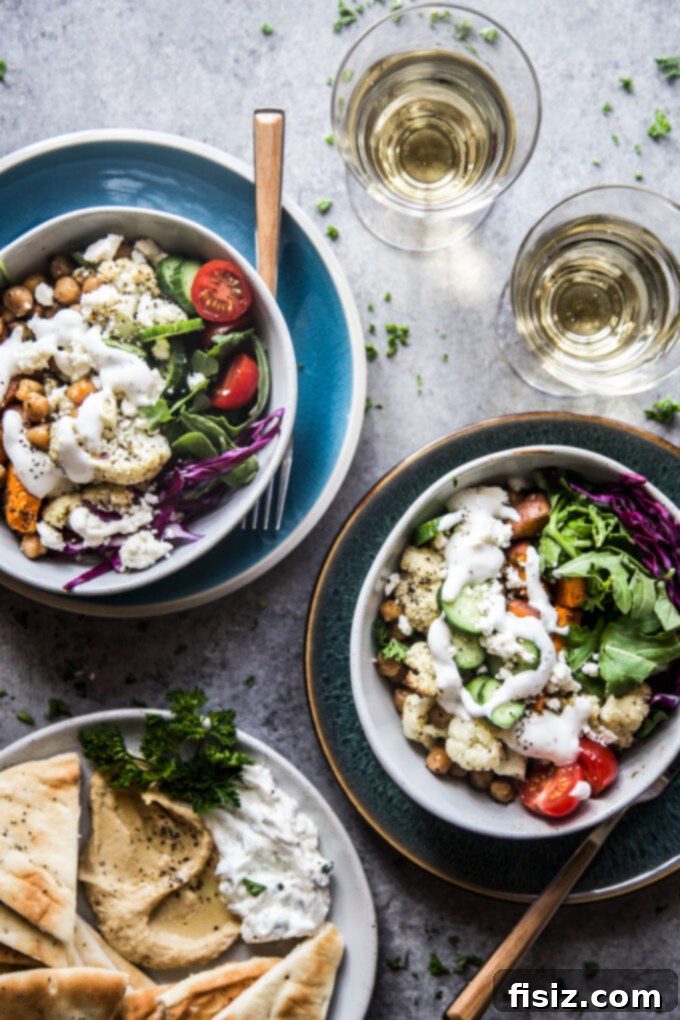

Roasted Veggie Za’atar Bowls with Lemon Yogurt Sauce
Yield: 4 servings
Prep Time: 10 mins
Cook Time: 20 mins
Total Time: 30 mins
Roasted Veggie Za’atar Bowls is a flavor-packed Middle Eastern-inspired vegetarian dish loaded with protein-rich vegetables, warm, earthy spices, and a drizzling of Lemon Yogurt Sauce for a refreshingly tangy kick! A nutritious vegetable side dish that you can easily make using a pan and a bowl, and is roasted and ready in less than 30 minutes.
Ingredients
- 1 small Head of cauliflower, cut into florets
- 1 14oz Can chickpeas, drained and rinsed
- 1 medium Sweet Potato, cut into small cubes
- 2 Tbsp Za’atar seasoning
- Kosher salt and pepper to taste
- 1/4 cup Olive oil
- 1/2 cup Plain Greek yogurt
- 1 tbsp Fresh lemon juice
- 2 cloves Garlic, minced
- Cucumbers, for garnish
- Grape tomatoes, for garnish
- Red cabbage, for garnish
- Feta crumbles, for garnish
Instructions
- Preheat your oven to 425 degrees Fahrenheit (220 degrees Celsius). Spray a baking sheet with nonstick cooking spray. Spread the cauliflower, chickpeas, and sweet potatoes evenly onto the baking sheet in a single layer.
- Next, drizzle the veggies with olive oil, then season generously with salt, pepper, and Za’atar seasoning. Toss to combine thoroughly. Roast the vegetables for about 20 to 25 minutes, tossing them midway through cooking to ensure even browning. Once cooked and tender, remove from the oven and set aside.
- While the vegetables are roasting, prepare the lemon yogurt sauce. In a small bowl, combine Greek yogurt, fresh lemon juice, minced garlic, salt, and pepper. Whisk until smooth and creamy.
- To serve: Place fresh lettuce or greens on a plate or in a bowl. Top with the warm roasted vegetables, your desired garnishes (cucumbers, grape tomatoes, red cabbage, feta crumbles), and a generous drizzle of the lemon yogurt sauce. Serve immediately and enjoy!
Author: Lauren Grier
Course: Dinner, Side Dish
Cuisine: Middle-Eastern