
The Paradox of Plenty: Unraveling the Mystery of Target’s Checkout Lanes
Every shopper has a familiar routine: a trip to Target for household essentials, maybe a few spontaneous additions to the cart. Paper towels, body wash, chicken stock – the usual medley of items that fill our lives and, eventually, our receipts. As we navigate the brightly lit aisles, a sense of efficiency often permeates the air. Yet, this efficiency often seems to hit a snag the moment we approach the checkout area. It’s a common observation, one that sparks curiosity and, at times, a touch of frustration: why does Target, and many other large retailers, feature an abundance of checkout lanes when only a handful ever seem to be operational?
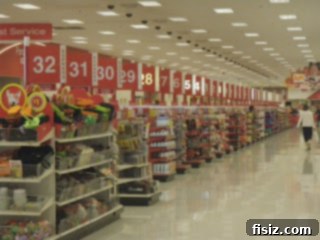
This retail enigma is a frequent topic of silent contemplation among shoppers as they stand in seemingly endless lines. You gaze across the vast expanse of the checkout section, counting dozens of lanes, many of them dark and unattended. The question invariably arises: Is it truly necessary to have thirty-two lanes, or even twenty, if they are rarely, if ever, all utilized simultaneously? One struggles to imagine a scenario in Target’s history where every single lane was bustling with carts and customers, a scene that would surely border on chaotic. This discrepancy between capacity and operation prompts a deeper look into the strategic decisions made by retail giants.
The experience is almost universal: you arrive at the checkout, hopeful for a speedy exit, only to find one express lane open and perhaps three or four regular checkout lanes. The rest remain dormant, serving as a silent testament to unused capacity. Shoppers form a patient, sometimes exasperated, sea of people, all casting glances around, silently wondering why more lanes aren’t opened to alleviate the growing queues. This scenario, repeated across countless shopping trips, gives the illusion of potential speed, a promise unfulfilled by the reality of the wait. It creates a disconnect, where the visual promise of efficient processing clashes with the lived experience of delay.
As frustrating as this situation can be, especially when you’re in a hurry, it’s highly improbable that a sophisticated retailer like Target would design its stores with “faux” checkout lanes without a strategic rationale. There must be a method to this apparent madness, a complex interplay of operational efficiency, customer psychology, and economic considerations that dictates how many lanes are installed versus how many are staffed at any given time. Understanding this perspective requires delving into the intricate world of retail management and the multifaceted challenges stores face in optimizing the customer journey from product selection to purchase completion.
Diving Deeper: The Retailer’s Perspective on Checkout Operations
The decision-making behind checkout lane management is far from arbitrary. Retailers like Target operate on massive scales, necessitating careful balancing acts between customer satisfaction, labor costs, and operational flexibility. Several key factors contribute to the seemingly paradoxical number of checkout lanes.
1. Peak Performance and Seasonal Fluctuations
One of the primary reasons for an abundance of checkout lanes is the need to accommodate peak shopping periods. While your typical Tuesday afternoon might only require a few lanes, the scenario changes dramatically during holiday seasons like Christmas, Thanksgiving, or even major sales events like Black Friday. Similarly, weekend rushes, specific evening hours, or “back-to-school” periods can see customer traffic surge exponentially. Retailers design their stores to handle maximum capacity, even if these peak times are infrequent. It’s akin to a large sports stadium built to seat tens of thousands – it’s designed for full capacity during major events, not for daily use, which might only see a fraction of its seats occupied. These extra lanes are crucial during these intense, high-volume periods to prevent overwhelming bottlenecks and ensure customer flow, even if they lie dormant most of the time.
2. Labor Economics and Staffing Challenges
Staffing a large number of checkout lanes consistently comes with significant labor costs. Cashiers require training, and their wages contribute directly to a store’s operational overhead. Retail, by nature, often experiences high employee turnover, making continuous recruitment and training a necessity. To open every single lane would require a substantial number of employees dedicated solely to checkout, which might not be economically viable for the majority of operating hours. Stores must carefully balance the cost of additional staff against the potential benefit of reduced wait times. Often, it’s more cost-effective to have fewer, highly efficient lanes operating with experienced staff than to spread staff thinly across many lanes that are only sporadically busy. This strategic staffing ensures that labor resources are optimized where they are most needed and effective.
3. The Rise of Self-Checkout Systems
The retail landscape has undergone significant transformation with the widespread adoption of self-checkout systems. These stations allow customers to scan and bag their own items, often managed by a single attendant overseeing multiple machines. This shift has dramatically reduced the need for traditional manned lanes. While the physical infrastructure of older stores might retain numerous conventional lanes, the operational strategy has evolved to lean heavily on self-checkout for routine transactions. For new store designs or major renovations, the proportion of manned lanes might be re-evaluated, but existing stores often maintain their original layout, creating this visual discrepancy between available and operational manned checkouts.
4. Standardized Store Design and Future Flexibility
Retail chains like Target often utilize standardized blueprints for store construction and renovation. This ensures brand consistency, simplifies planning, and can reduce construction costs. A standard design might include a fixed number of checkout lanes, irrespective of the projected traffic for a specific location. This standardization accounts for potential future growth in customer base or changes in shopping habits. Additionally, having extra lanes provides operational flexibility. Should a current lane experience a technical malfunction, or if a sudden, unexpected surge in customers occurs, these dormant lanes can be quickly activated to maintain service, acting as a crucial contingency measure.
5. The Psychology of Waiting and Customer Perception
Customer perception of wait times is a critical aspect of the shopping experience. An empty checkout lane can psychologically feel worse than a moving, albeit slow, full one. The mere sight of numerous available, yet unused, lanes can sometimes exacerbate frustration. However, from a retailer’s perspective, having these lanes can also create an impression of readiness and capacity. It signals that the store is equipped to handle significant traffic, even if it’s not currently doing so. Furthermore, the decision to open or close lanes can subtly influence customer behavior, encouraging some to opt for self-checkout or to plan their visits during less busy times. Retailers spend considerable effort analyzing these psychological elements to manage customer flow and satisfaction.
6. Operational Flexibility and Contingency Planning
Beyond peak times, the extra lanes also serve as critical components of a store’s operational flexibility and contingency planning. Imagine a situation where one or more active lanes experience technical difficulties, such as a scanner malfunction or payment system error. Having spare, pre-installed lanes means operations can pivot quickly, minimizing disruption and continued wait times. They also offer space for training new cashiers without impacting the flow of active customer lines. This ability to adapt and respond to unforeseen circumstances is vital in maintaining a smooth, efficient operation, even if it means some infrastructure is not constantly in use.
The Evolving Customer Experience and Brand Impact
In today’s fast-paced world, customer expectations are higher than ever. Instant gratification and seamless transactions are becoming the norm. A smooth and efficient checkout process is not just a convenience; it’s a critical component of the overall shopping experience and can significantly impact customer loyalty and repeat visits. Long queues and the frustration associated with them can tarnish an otherwise positive shopping trip, potentially leading customers to choose competitors that offer quicker service. Therefore, retailers are in a continuous pursuit of optimizing this final touchpoint, understanding that the checkout is the last impression a customer has before leaving the store.
Retailers constantly analyze data related to transaction times, queue lengths, and customer feedback to fine-tune their strategies. The balancing act involves minimizing wait times without incurring excessive labor costs. This often leads to dynamic staffing models, where more lanes are opened during predicted busy periods and fewer during quieter times. However, accurately predicting customer flow can be challenging, leading to those instances where shoppers observe long lines with seemingly ample, but closed, capacity.
Beyond the Lanes: The Future of Retail Checkout
The future of retail checkout is continuously evolving, aiming for even greater efficiency and customer satisfaction. Innovations such as “frictionless” shopping experiences, epitomized by stores like Amazon Go where customers simply walk out with their items, or advanced mobile payment options, are paving the way for a drastically different checkout landscape. Queue management technologies, including virtual queuing systems and AI-powered staffing predictions, are also being explored and implemented to further optimize the process.
While the traditional manned checkout lane will likely remain a fixture in large retail environments for years to come, its role and prevalence will continue to adapt. The current paradox of many lanes versus few open is a snapshot of this ongoing evolution, a reflection of retailers grappling with past infrastructure, present economic realities, and future customer expectations.
Conclusion: A Nuanced Understanding of Retail Efficiency
The sight of numerous, empty checkout lanes at Target is indeed a common and often perplexing observation for shoppers. What might appear as inefficiency or an oversight is, in reality, a complex outcome of deliberate retail strategy, economic constraints, customer psychology, and the constant evolution of store operations. These extra lanes serve vital roles during peak seasons, offer crucial operational flexibility, and reflect an ongoing adaptation to changing labor landscapes and the rise of self-service technologies.
As consumers, our desire for speedy service is paramount. As customers, understanding the multifaceted reasons behind these operational decisions can offer a more nuanced perspective on our shopping experience. The checkout area, far from being a simple transaction point, represents a fascinating intersection of architecture, economics, human behavior, and the relentless pursuit of optimizing the customer journey in the vast, dynamic world of retail.