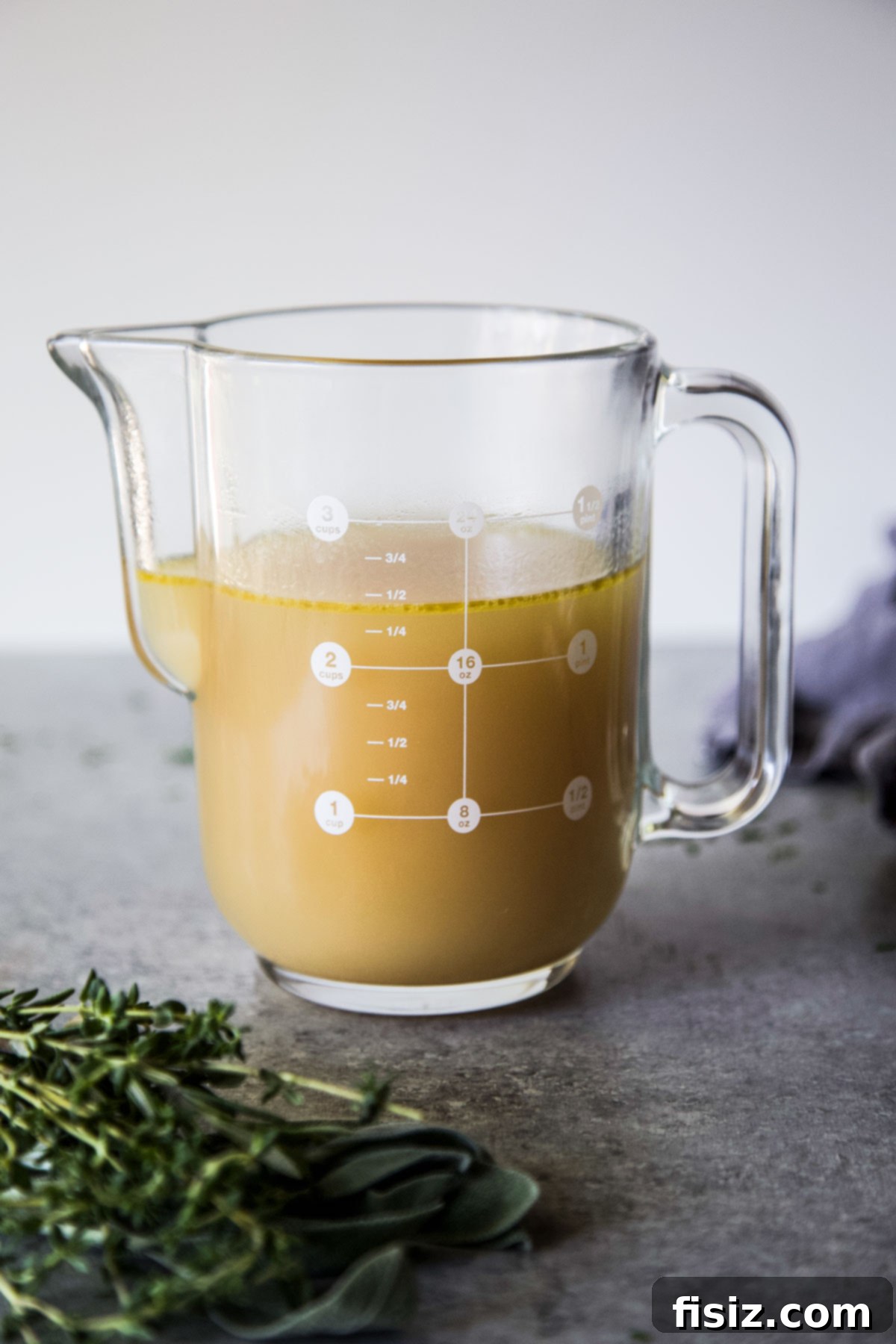
Imagine the unparalleled aroma filling your kitchen, the rich, savory depth enhancing every bite – nothing truly compares to homemade turkey stock. Crafted from perfectly roasted turkey bones and infused with a symphony of aromatic herbs and vegetables, this slow-simmered elixir is a game-changer for your culinary creations. It’s robust, deeply flavorful, and far superior to any store-bought alternative. This easy turkey stock recipe will elevate your soups, stews, and sauces, ensuring they become the true stars of your holiday gatherings and beyond.
Are you one of those enthusiastic early birds who start planning their holiday feasts months in advance? If you’re reading this a considerable time before the festive season, then we certainly share a kindred spirit! I find myself deep in preparation, constantly adding new, delightful dishes to my ever-expanding collection of Thanksgiving and Christmas recipes. This year, however, my focus extends beyond just the impressive main courses, tantalizing side dishes, and decadent desserts. I’m shining a spotlight on a foundational ingredient that is often overlooked but plays a pivotal role in transforming a good dish into an extraordinary one: the humble yet mighty homemade stock. A truly exceptional turkey stock is the secret weapon every home cook needs.
The Ultimate Homemade Turkey Stock: A Foundation of Flavor
Some might call it culinary snobbery, but I firmly believe that the most memorable holiday dishes deserve to be crafted with ingredients far superior to highly processed, ready-made commercial products. If you take immense pride in serving only the very best to your loved ones during this special time of year, then embarking on this homemade turkey stock recipe is your perfect starting point. My approach begins with roasting the turkey wings to a golden perfection, a crucial step that intensifies their savory flavor. Following this, I sauté a classic blend of vegetables and introduce fragrant herbs before allowing everything to simmer patiently for hours. This dedication to crafting a rich and flavorful stock from scratch ensures an unparalleled depth that packaged versions simply cannot replicate. Prepare for a culinary experience that will impress even the most discerning palate.
Why Embark on Your Homemade Stock Journey? The Unmistakable Difference
I understand the allure of convenience; grabbing a carton of broth from the supermarket shelf seems like the simplest solution. However, as the old adage goes, the easiest path isn’t always the best. While I’m certainly no stranger to clever shortcuts in certain recipes, particularly when it comes to the intricate world of pastries and baking, some fundamentals are non-negotiable. Once you experience the profound difference between a slow-simmered homemade turkey stock and its commercial counterparts, there’s truly no turning back. The depth of flavor, the natural richness, and the control over ingredients will revolutionize your cooking. Here are even more compelling reasons to dedicate a little time to this immensely rewarding process:
- Easier Than You Imagine, With Minimal Hands-On Time! Many shy away from making homemade stock, assuming it’s an arduous, all-day affair. This couldn’t be further from the truth! While it does require a lengthy simmering period, the actual active effort on your part is surprisingly minimal. The process primarily involves a simple sequence: roast the turkey bones, quickly sauté the aromatic vegetables, then combine everything in a pot and let it gently simmer. Most of the magic happens unattended, freeing you up to focus on other tasks.
- Complete Culinary Control: Customize to Your Heart’s Content. One of the most significant advantages of making your own turkey stock is the absolute control you gain over its flavor profile. Unlike commercial stocks, which often contain excessive sodium or artificial flavors, you dictate every ingredient. Adjust the herbs, experiment with different vegetables, or fine-tune the seasoning to perfectly suit your taste preferences and the specific dishes you plan to use it in. This personalization ensures your stock is always perfectly tailored.
- Pure, All-Natural Goodness from Inexpensive Ingredients. This turkey stock recipe champions fresh, wholesome, and natural ingredients. You’ll find no artificial preservatives, additives, or MSG here. Even if you manage to find a commercial brand claiming to be free of these undesirable elements, they often come with a hefty price tag. By utilizing common garden vegetables and readily available herbs, this recipe offers a remarkably economical and healthy option for building flavor. It’s also an excellent way to use up leftover turkey bones after a holiday meal, minimizing waste and maximizing flavor.
- A Freezer-Friendly Treasure: Prepare Ahead for Culinary Convenience. Planning makes perfect, especially during busy holiday seasons. This homemade turkey stock stores exceptionally well, making it an ideal candidate for meal prep. You can easily make large batches well in advance, freezing it for use whenever inspiration strikes, whether that’s before, during, or long after the holidays. Having a ready supply of flavorful stock on hand is a true culinary luxury.
- Unmatched Flavor Depth: The Secret Ingredient for Gourmet Meals. Beyond all practical benefits, the most compelling reason to make homemade turkey stock is its incomparable flavor. The slow extraction of gelatin from roasted bones, combined with the caramelized notes from the vegetables and the aromatic infusion of herbs, creates a complex, savory base that store-bought versions simply cannot replicate. This depth of flavor translates directly into richer, more satisfying soups, stews, gravies, and sauces, elevating your everyday cooking to gourmet levels.
Stock vs. Broth: Understanding the Culinary Distinction
While the terms “stock” and “broth” are often used interchangeably in everyday conversation, they actually represent distinct culinary foundations, each with unique characteristics and applications. Both are liquids made by simmering meat, bones, or vegetables in water, but the specific components and cooking methods create noticeable differences. Stocks are traditionally made using bones or bone-in meat parts, which are often roasted first to develop deeper flavors and color. The presence of bones, especially those rich in connective tissue, means stocks are simmered for a longer duration—typically 4 to 6 hours, sometimes even longer. This extended cooking time extracts collagen, which gives stock a richer mouthfeel and a thicker, gelatinous consistency when chilled. This gelatin provides body and a silky texture to dishes. In contrast, broths are primarily made from pure meat and/or vegetables, with very few or no bones. They are usually simmered for a shorter period, often 45 minutes to 2 hours, resulting in a lighter flavor and a thinner, less viscous consistency. Broth is often seasoned and can be enjoyed on its own as a comforting drink, whereas stock is typically considered a foundational ingredient, an unseasoned base used to build other dishes. For our homemade turkey stock, we’re aiming for that rich, collagen-rich base that will provide incredible body and flavor to your holiday recipes.
Essential Ingredients and Flavorful Substitutions for Your Turkey Stock
Crafting this incredibly flavorful turkey stock requires just a handful of straightforward ingredients: quality meat, a classic blend of vegetables, and a selection of fresh herbs. This recipe is also a fantastic opportunity to make the most of your garden harvest or to clear out any odds and ends from your refrigerator, transforming what might be considered scraps into a culinary goldmine.
- Turkey: I’ve opted for turkey wings in this recipe, as they offer an excellent balance of meat and bone, which is crucial for a rich stock. However, turkey legs are another superb choice. If turkey isn’t readily available, or you prefer a different poultry flavor, large chicken wings or drumsticks serve as a fantastic and equally delicious alternative, yielding a similarly robust stock.
- Aromatic Vegetables (Mirepoix): The backbone of this stock’s flavor comes from the classic French culinary trinity known as “mirepoix.” This foundational blend includes:
- Yellow Onions: Provide a sweet, pungent base note that deepens during simmering.
- Carrots: Add natural sweetness and a subtle earthy flavor, contributing to the stock’s golden hue.
- Celery: Offers a fresh, slightly peppery, and savory element that rounds out the aromatic base.
Feel free to add other aromatic vegetables like leeks (white and light green parts), parsnips, or even mushroom stems for added umami.
- Fresh Herbs: To infuse this stock with an earthy, slightly minty, and subtly peppery aroma, I recommend a vibrant combination of fresh herbs:
- Fresh Parsley: Provides a clean, bright, and slightly herbaceous note.
- Fresh Thyme: Adds a warm, savory, and subtly floral essence.
- Fresh Sage: Contributes a distinctive, pungent, and earthy flavor that pairs beautifully with turkey.
- Bay Leaf: Offers a subtle, slightly bitter, and aromatic background note, enhancing overall complexity.
You can also consider adding rosemary for an extra layer of robust, piney flavor.
- Olive Oil: Used for roasting the turkey wings and sautéing the vegetables, it helps to build a foundational layer of flavor through browning. Any neutral cooking oil will work if olive oil is not preferred.
- Kosher Salt and Freshly Ground Black Pepper: These are added to taste, enhancing and balancing the natural flavors extracted from the ingredients. Remember, stock is typically under-seasoned so you can adjust saltiness in your final dish.
- Water: The essential liquid that extracts and carries all the wonderful flavors. Use cold water for the clearest stock.
Crafting Your Rich Turkey Stock From Scratch: A Step-by-Step Guide
The beauty of this homemade turkey stock recipe lies in its simplicity and mostly hands-off nature. The process involves roasting your turkey bones for deep flavor, quickly sautéing your aromatics, seasoning with fresh herbs, and then allowing everything to gently simmer together in a large pot for an extended period. This recipe truly doesn’t require constant attention; once the initial prep is done, you can largely let your oven and stovetop work their magic while you attend to other tasks or simply relax!
Essential Preparations:
- Preheat your oven to a robust 425°F (220°C). This high temperature is key for achieving beautifully browned and flavorful roasted turkey bones.
- Lightly spray a generously sized roasting pan with a non-stick cooking spray, or lightly grease it with a little olive oil to prevent sticking and aid in cleanup.
Detailed Cooking Steps:
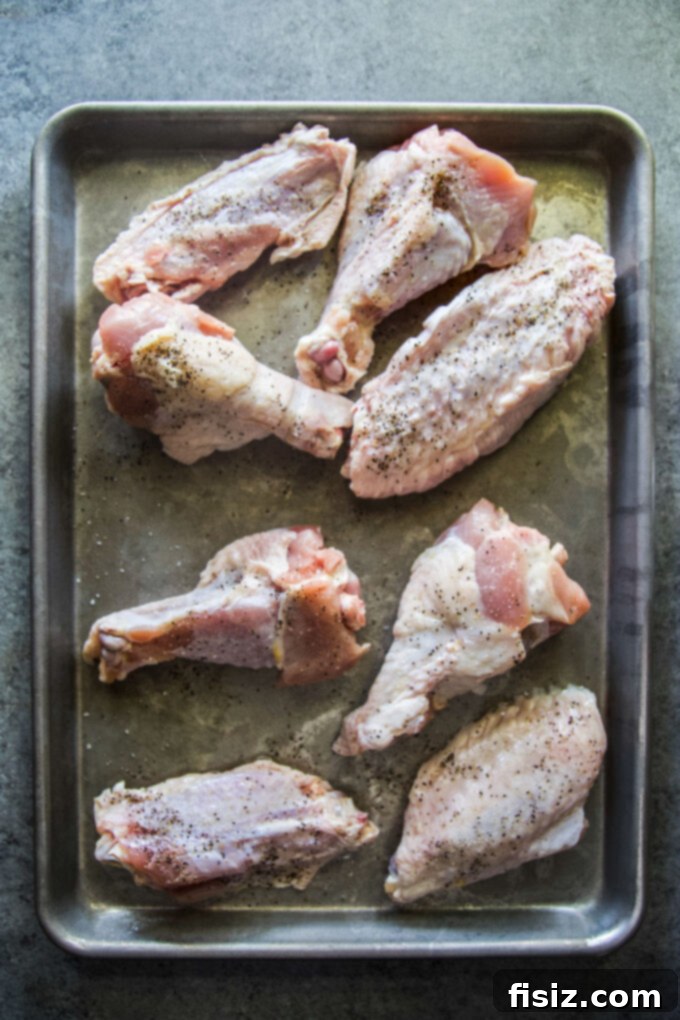
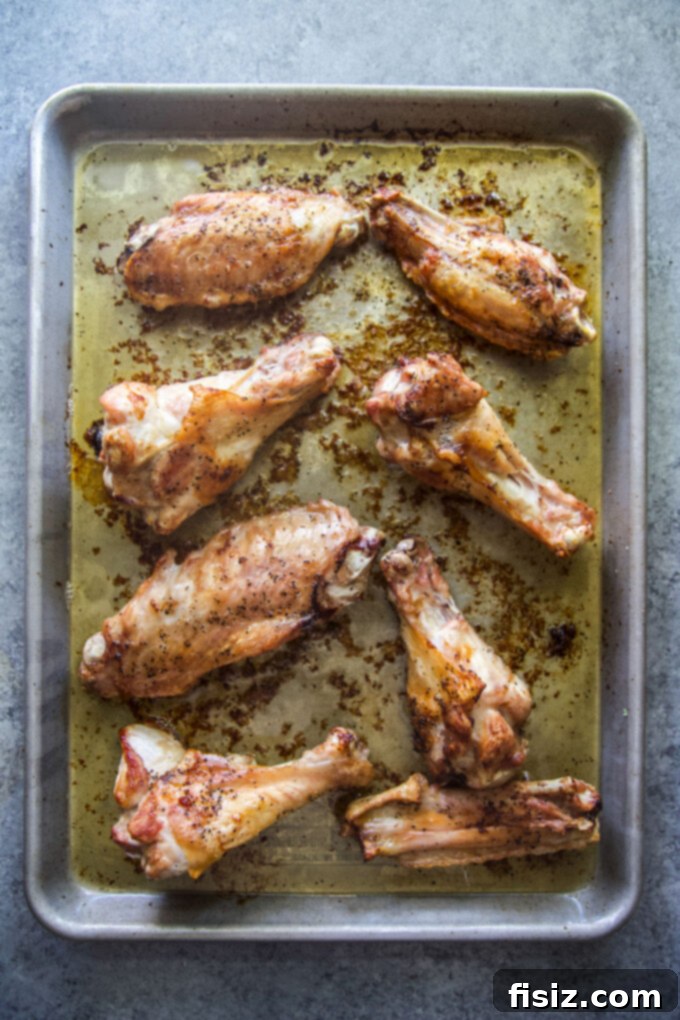
- Roast the Turkey Wings for Deep Flavor. Arrange the turkey wings (or legs) in a single layer within your prepared roasting pan. Drizzle them generously with about half of the olive oil, then season thoroughly with kosher salt and freshly ground black pepper. Roast in the preheated oven for approximately one hour. For even browning and flavor development, remember to flip the wings halfway through the roasting time. Once golden brown and fragrant, remove the pan from the oven and set the roasted wings aside.
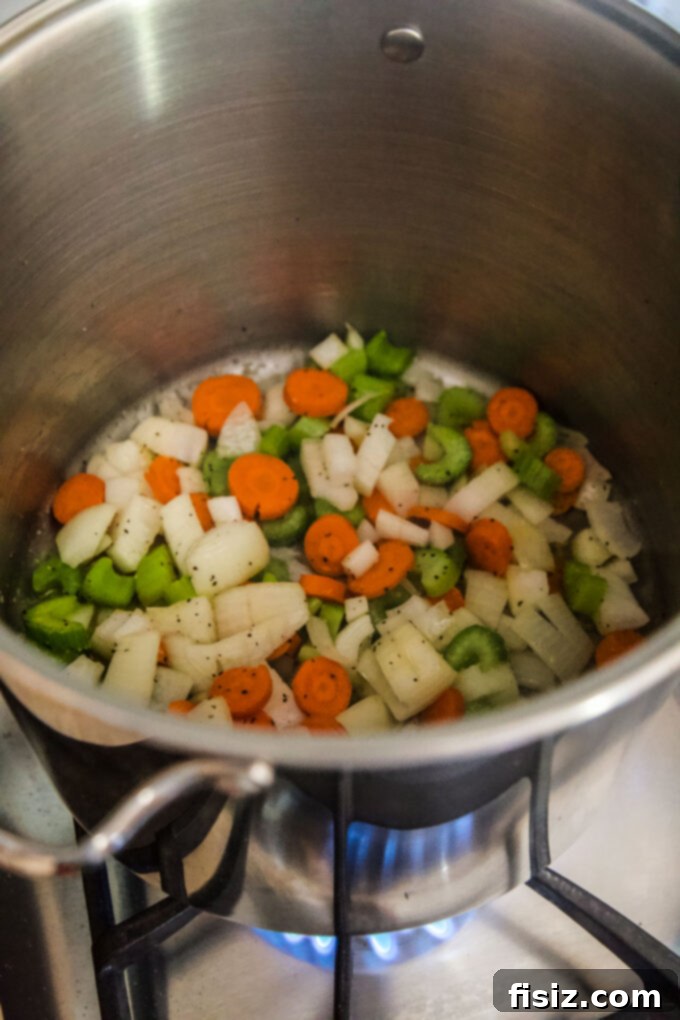
- Sauté the Aromatic Mirepoix. While the turkey wings are roasting, begin preparing your flavorful mirepoix. Place a large 6-quart (or larger) stockpot over medium-high heat on your stovetop. Add the remaining olive oil. Once hot, add the chopped onions, carrots, and celery to the pot. Season this aromatic blend with a pinch of salt and pepper. Stir frequently and cook for 5 to 7 minutes, or until the vegetables have softened slightly and become fragrant, releasing their delicious aromas.
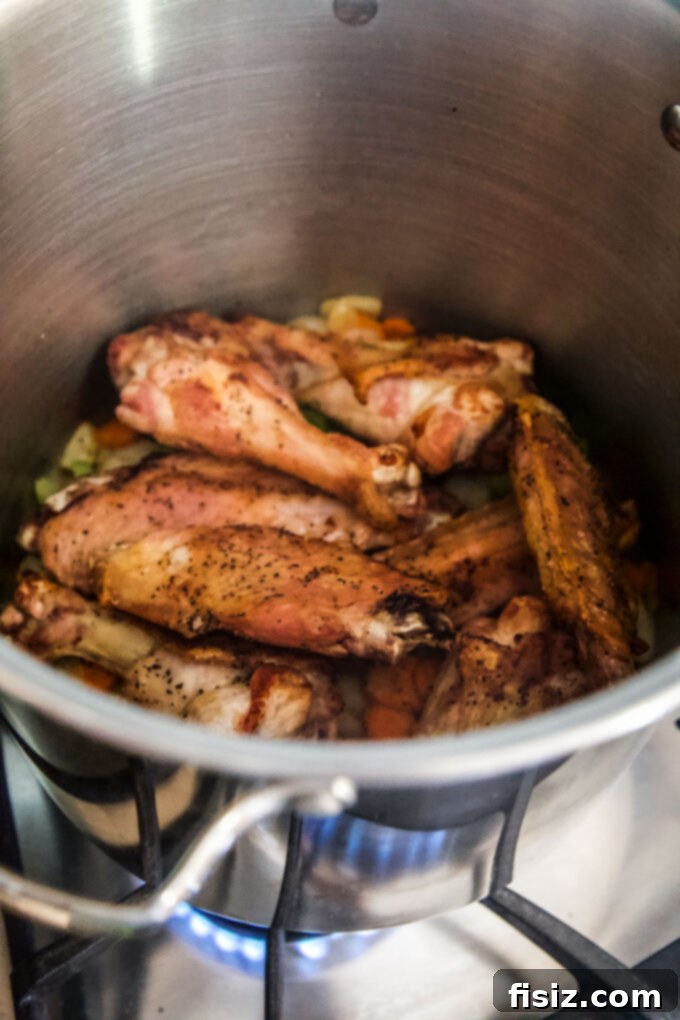
- Combine and Season with Fresh Herbs. Carefully add the roasted turkey wings to the stockpot with the sautéed vegetables. Crucially, scrape all the flavorful drippings and caramelized bits from the roasting pan into the stockpot; these are packed with incredible flavor. Now, add your fresh parsley, thyme, sage, and the bay leaf.
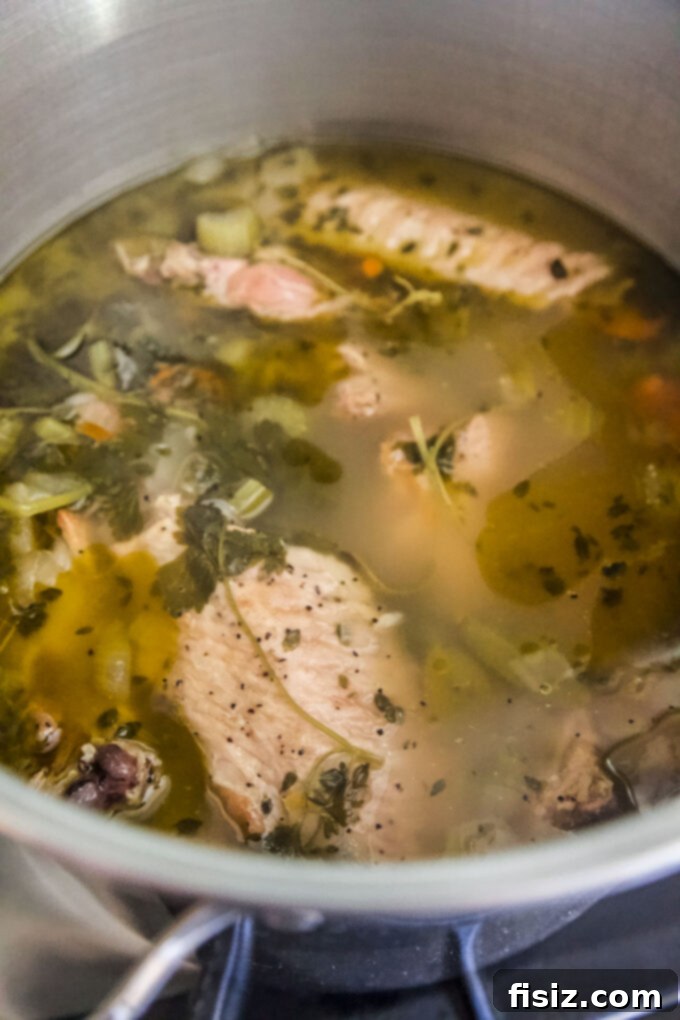
- Bring to a Gentle Boil. Pour enough cold water into the stockpot to fully cover all the turkey wings and vegetables by at least one inch, which will typically be around 16 to 18 cups. Using cold water allows for a slower extraction of impurities, resulting in a clearer stock. Bring the water gradually to a rolling boil over high heat.
- Slow Simmer for Maximum Flavor Extraction. Once the stock has reached a vigorous boil, immediately reduce the heat to a low simmer. Allow the stock to simmer uncovered for the first 30 minutes. During this initial phase, if the turkey wings begin to emerge from the water, add a little more hot water to keep them submerged. After 30 minutes, cover the stockpot with a lid and continue to simmer gently for approximately 2.5 hours more. Maintain a very low, consistent simmer; you want small bubbles, not a vigorous boil, to ensure clarity and optimal flavor extraction.
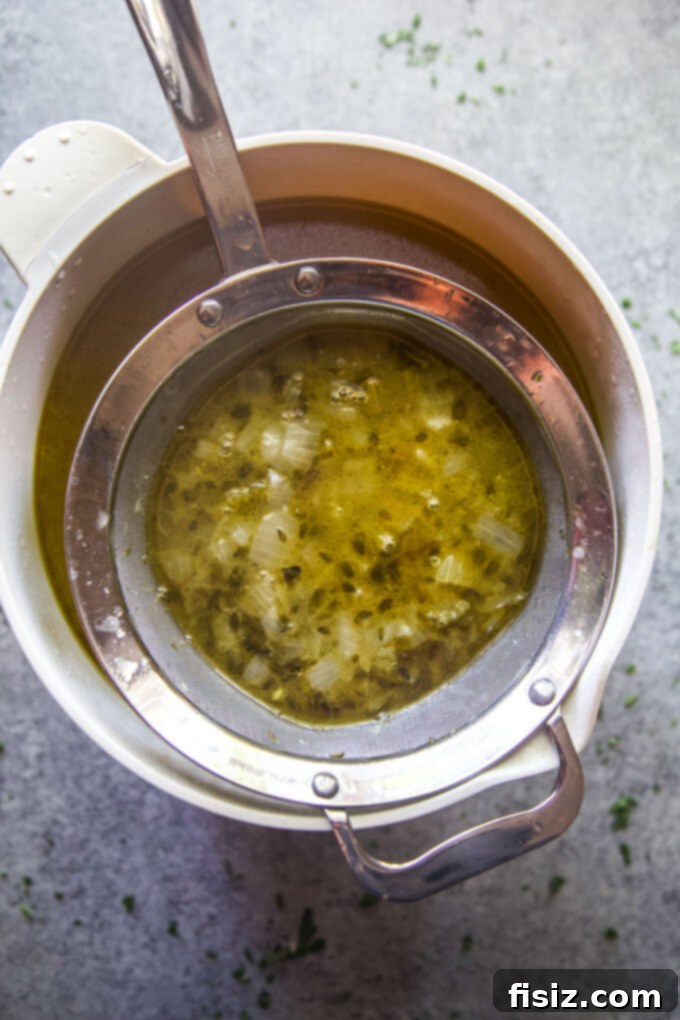
- Strain and Clarify Your Golden Stock. After the simmering time, remove the stockpot from the heat. Allow it to cool for a few minutes. Using a pair of sturdy tongs, carefully remove and discard the turkey wings and large vegetable pieces. Next, slowly pour the entire contents of the stockpot through a fine-mesh sieve (or a colander lined with cheesecloth) into a large, clean mixing bowl. Press down gently on any remaining solids to extract all the liquid. Discard all solids. If you desire an even clearer stock, you can repeat the straining process, perhaps through a fresh piece of cheesecloth. Taste the strained stock and adjust seasoning with more salt and pepper if needed, remembering it’s best to under-season as it will be concentrated in your final dishes.
Serving and Storing Your Culinary Masterpiece
Once you’ve invested the time and care into making this flavorful homemade turkey stock, proper handling for serving and storage is key to preserving its quality and maximizing its utility in your kitchen.
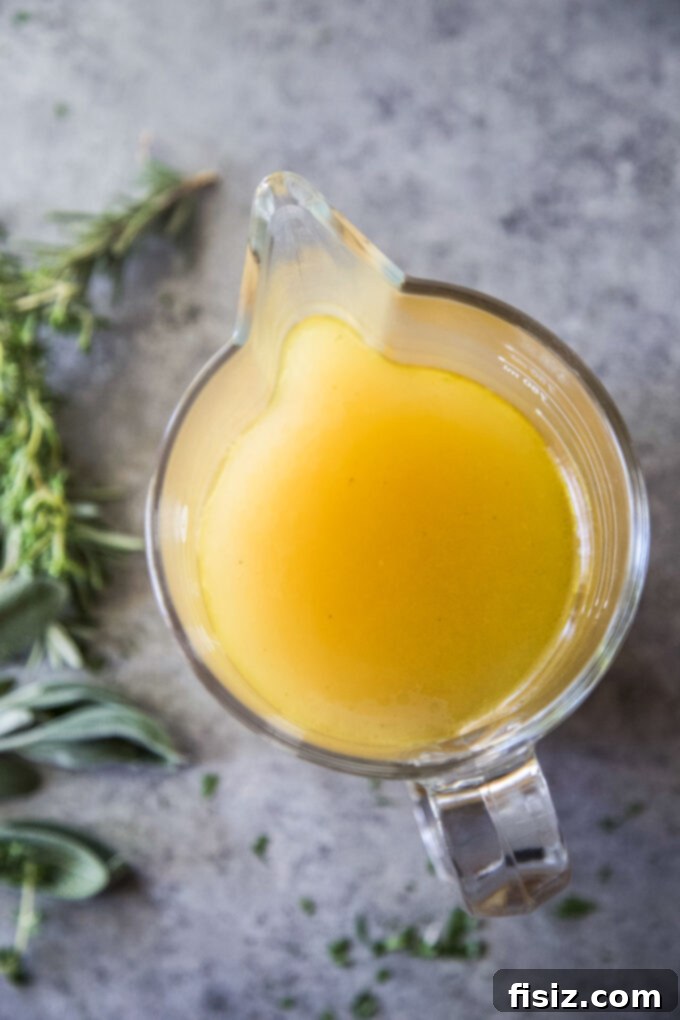
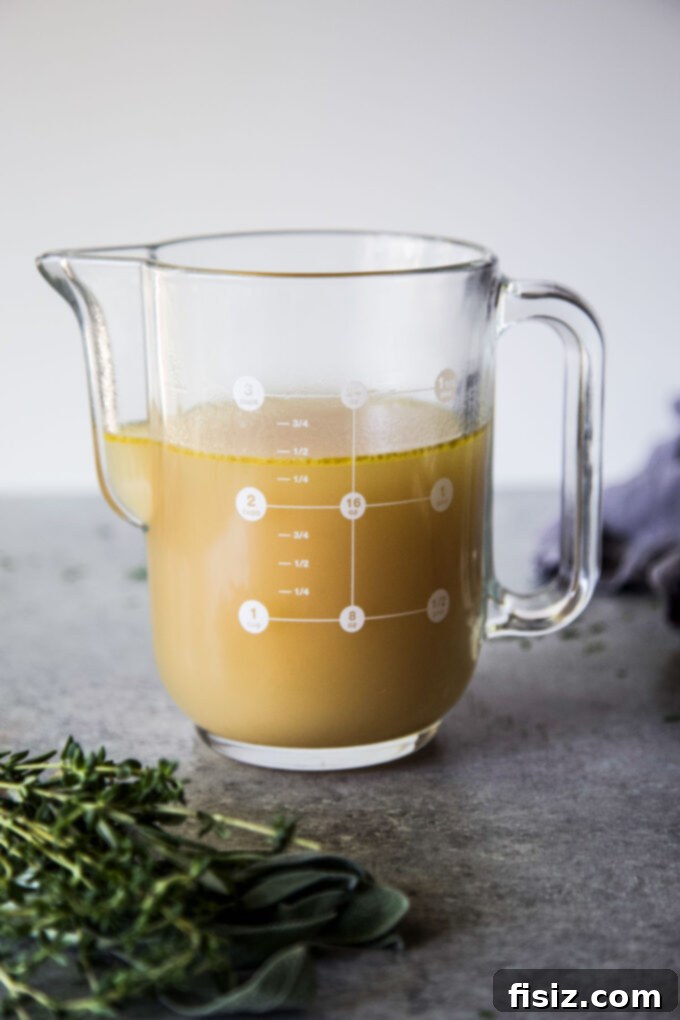
- Immediate Use and Defatting: If you plan to use your turkey stock right away, let it stand at room temperature for a short period. As it cools slightly, any yellow fat will naturally rise to the surface. Use a ladle or a large spoon to carefully skim off this fat. This step ensures a cleaner, less greasy stock, perfect for enriching your soups, stews, and sauces. Your freshly made, defatted stock is now ready to transform your culinary creations!
- Long-Term Storage: Refrigeration and Freezing for Future Feasts: For stock you won’t use immediately, proper cooling is essential to prevent bacterial growth. Place the bowl of hot stock into an ice bath (a larger bowl filled with ice and a little cold water) to rapidly cool it down. Stir occasionally to help distribute the cold. Once cooled, any remaining fats will solidify and float to the top, making them easy to remove with a spoon. Cover the cooled turkey stock tightly and refrigerate it for up to 2-3 days. For longer storage, freeze the stock. It can be frozen in airtight containers, freezer bags (laid flat for easy stacking), or even ice cube trays (then transferred to bags) for up to 6 months. Freezing in various portion sizes (e.g., 1-cup, 2-cup) offers fantastic convenience for future recipes.
- Reheating Instructions: To reheat frozen or refrigerated stock, simply place the desired amount in a saucepan over medium heat, stirring occasionally, until it is fully thawed and hot. It’s then ready to be incorporated into your favorite meals, adding its rich, homemade goodness.
Easy Homemade Turkey Stock
Pin Recipe
Leave a Review »
Ingredients
- 3 lbs Turkey wings (or turkey legs, or large chicken wings)
- 1/4 cup Olive oil, divided
- 2 large Yellow onions, roughly chopped
- 2 large Carrots, roughly chopped
- 3 stalks Celery, roughly chopped
- 3 sprigs Fresh parsley (or one large handful)
- 3 sprigs Fresh thyme
- 3 sprigs Fresh sage
- 1 whole Dried bay leaf
- Kosher salt and freshly ground black pepper, to taste
- Water, about 16-18 cups
Instructions
-
Preheat your oven to 425°F (220°C). Spray a large roasting pan with non-stick cooking spray or lightly grease it. Place the turkey wings (or legs) in the prepared pan. Rub the turkey with half of the olive oil, then season generously with kosher salt and pepper.
-
Roast the wings for about 30 minutes, then flip them over and continue roasting for another 30 minutes, or until golden brown. Remove from the oven and set aside.
-
While the turkey roasts, begin sautéing your vegetables. Heat a large 6-quart (or larger) stockpot over medium-high heat and add the remaining 2 tablespoons of olive oil. Add the chopped onions, carrots, and celery, along with a pinch of salt and pepper. Stir and sauté for about 5 to 7 minutes, until the vegetables have softened and become fragrant.
-
Next, transfer the roasted turkey wings and all the pan juices (drippings) from the roasting pan into the stockpot with the vegetables. Add the fresh parsley, thyme, sage, and the bay leaf. Pour in enough cold water to cover all the ingredients by at least one inch, which will be roughly 16 to 18 cups.
-
Bring the water to a rolling boil over high heat, then immediately reduce the heat to a low simmer. Simmer the stock, uncovered, for about 30 minutes. If the wings become uncovered, add more hot water to keep them submerged. After 30 minutes, cover the stockpot with a lid and continue to simmer for an additional 2.5 hours.
-
Once the stock has finished simmering, remove it from the heat. Using tongs, carefully remove and discard the turkey wings and large vegetable pieces. Next, pour the stock through a fine-mesh sieve into a large mixing bowl, discarding all solids. For a clearer stock, you may strain it multiple times. Taste and season with additional salt and pepper as desired.
-
If using the stock immediately, let it stand at room temperature until any yellow fat rises to the surface, then skim it off with a ladle or spoon.
-
For storage, place the bowl of stock into an ice bath to cool it down quickly. Once cooled, remove any solidified fat from the top. Cover the stock tightly and refrigerate for up to 2 days, or freeze for up to 6 months in airtight containers.
-
To reheat: simply place the desired amount of stock in a saucepan over medium heat until warmed through before adding it to your meals.