***This post is sponsored byMaple from Canada. As always, all opinions expressed are 100% my own.***
As the magical holiday season envelops us, there’s a palpable excitement in the air. This time of year truly calls for moments of joy, warmth, and, of course, unforgettable meals that bring loved ones together. I believe we could all benefit from an extra dose of cheer, and what better way to celebrate than with a show-stopping dish that looks incredibly impressive yet is surprisingly simple to prepare?
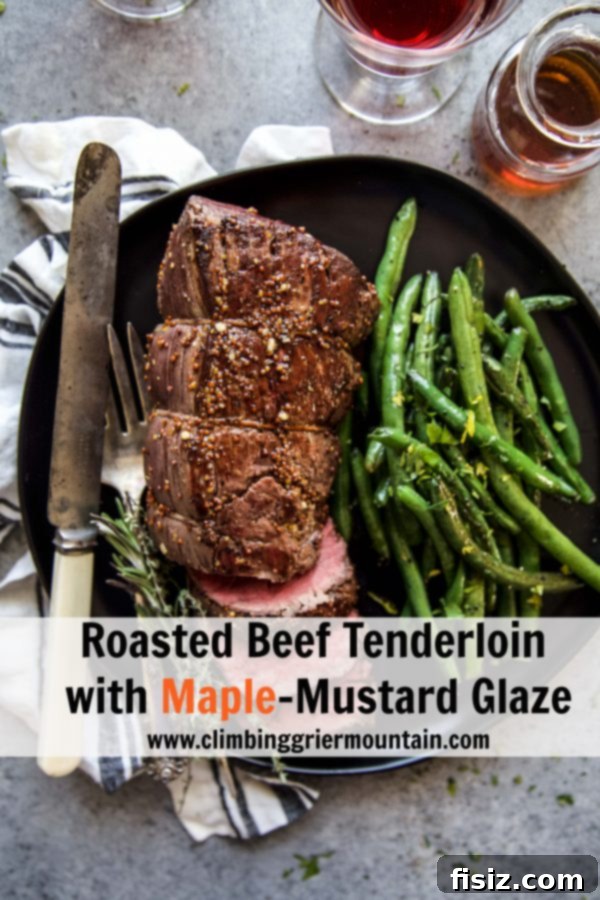
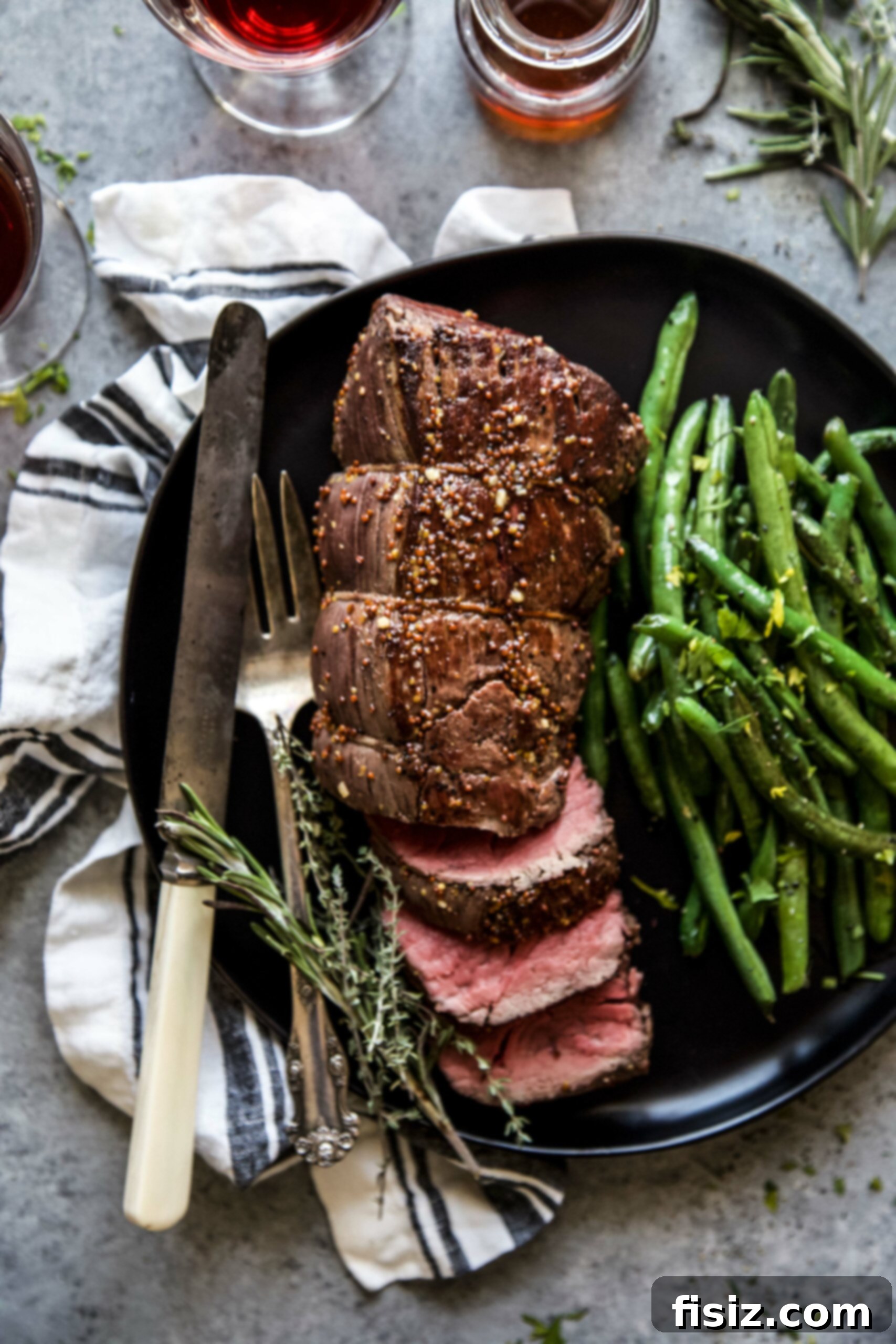
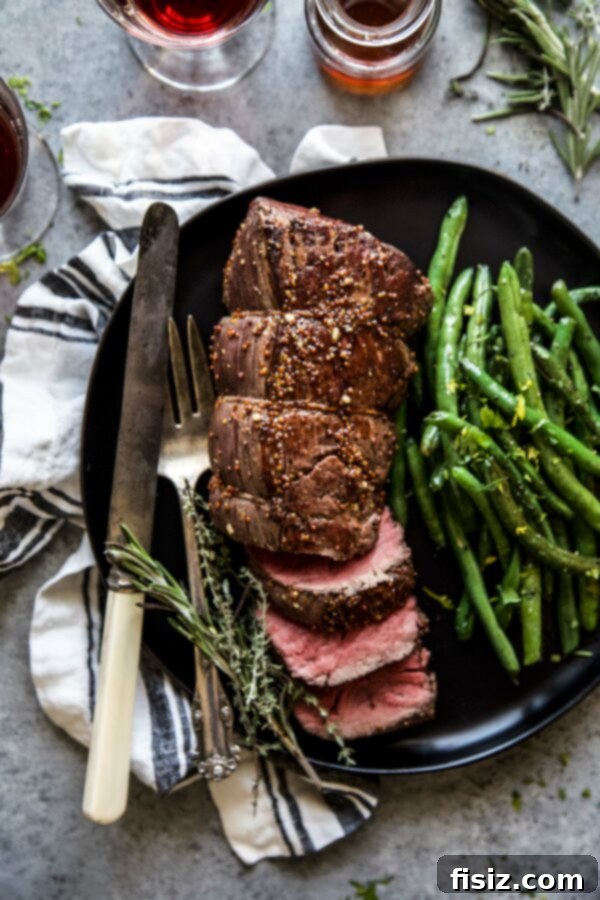
Today, we’re diving into the most festive main course you’ll craft this holiday season: a magnificent Roasted Beef Tenderloin with Maple-Mustard Glaze. My goal is always to bring you recipes that are bursting with flavor while remaining approachable, and this dish perfectly embodies that philosophy. Forget any preconceived notions about beef tenderloin being difficult; I’m here to assure you it’s an incredibly easy and rewarding cut to cook, especially with our special glaze.
What truly elevates this roasted beef tenderloin recipe from good to extraordinary is the exquisite maple-mustard glaze. And the secret to its unparalleled flavor? It all comes down to the star ingredient: Pure Maple from Canada! This isn’t just any maple syrup; it’s a gourmet touch that transforms your holiday dinner into an elegant feast.
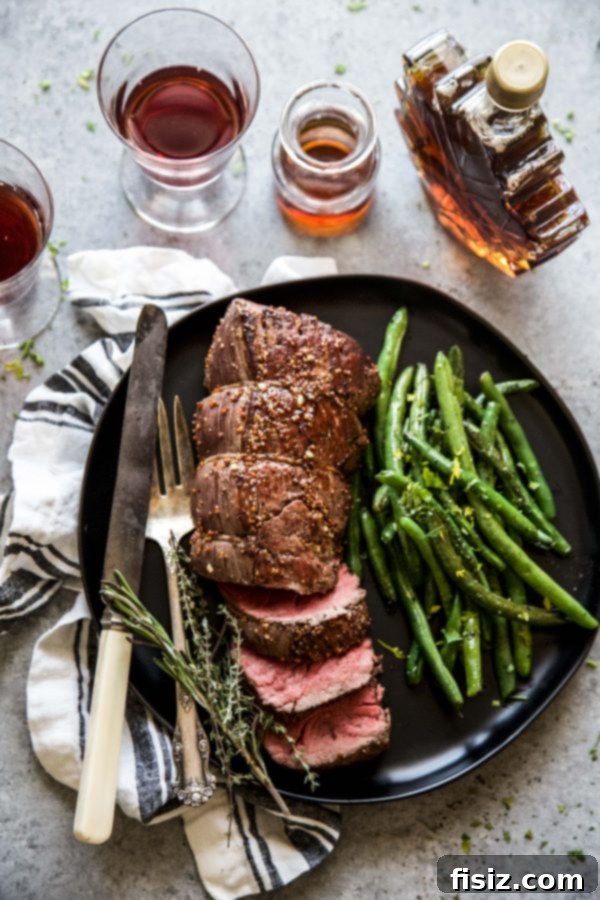
Discover the Excellence of Pure Maple from Canada
You might be wondering what makes Pure Maple from Canada so unique, and I’m delighted to share some fascinating details. Did you know that Canada produces over 71% of the world’s pure maple syrup? And of that impressive figure, a staggering 91% originates from the beautiful province of Quebec. This results in an astounding 12.5 million pounds of liquid gold produced by our northern neighbors annually!
When you see “Pure Maple from Canada” on a bottle, it means exactly that: 100% pure maple syrup, with no other ingredients added. You won’t find corn syrup, artificial flavors, or any preservatives – just the natural, unadulterated essence of maple. The process is a testament to nature’s bounty and traditional craftsmanship: sap is collected from maple trees, then carefully sent to storage. From there, it undergoes a meticulous evaporation process that concentrates its natural sugars and distinct flavor, before finally being bottled, ready to grace your kitchen.
This commitment to purity and traditional methods ensures a superior product that delivers rich, complex flavors, making it an indispensable ingredient for both sweet and savory applications. It’s truly a taste of Canadian heritage in every drop.
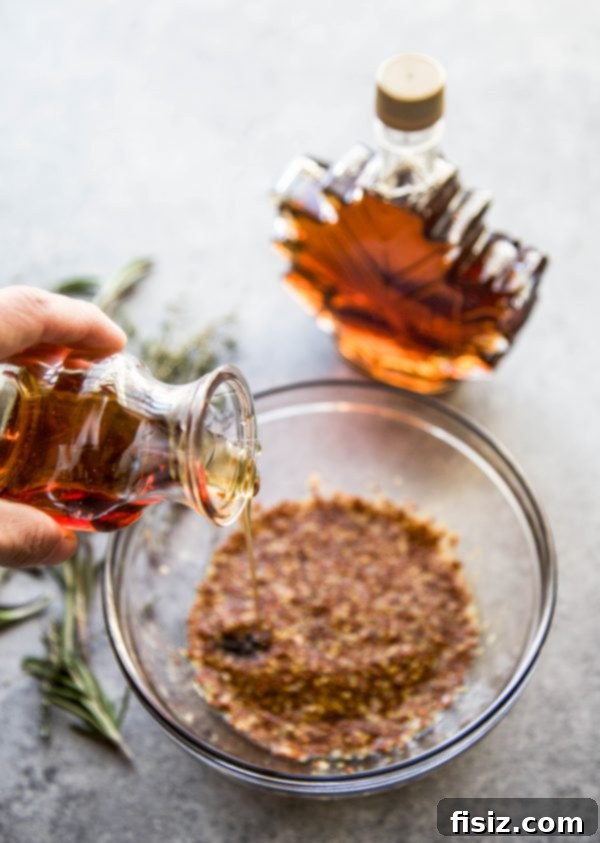
Cooking with Pure Canadian Maple Syrup: A World of Culinary Possibilities
One of the most remarkable aspects of Pure Canadian maple syrup is its incredible versatility in the kitchen. It’s not just for pancakes and waffles anymore! This natural sweetener can be effortlessly incorporated into a wide array of dishes, both sweet and savory, offering a depth of flavor that granulated sugar simply can’t match.
Consider it a fantastic alternative to refined sugar in many of your favorite recipes. Imagine swapping out white sugar for pure maple syrup in that beloved Thanksgiving pie, adding a nuanced sweetness and a hint of caramel. Beyond baking and desserts, pure maple syrup excels at enhancing main courses, acting as a sublime glaze for meats like pork, chicken, and, of course, our magnificent beef tenderloin. It also makes an exceptional base for marinades and rubs, infusing dishes with a sweet, earthy, and robust character. Its natural sweetness, coupled with unique mineral notes, can balance, brighten, and deepen flavors in ways you’d never expect, transforming ordinary meals into culinary masterpieces.
Unveiling the Irresistible Maple-Mustard Glaze
The magic of this roasted beef tenderloin lies significantly in its sweet and savory maple-mustard glaze. It’s a simple concoction of just a few ingredients, each playing a crucial role in creating a harmonious flavor profile that perfectly complements the rich beef.
Here’s what goes into this delectable glaze:
- 100% Pure Maple Syrup from Canada: This is non-negotiable! Always check the label to ensure it’s truly 100% pure maple. Its natural sweetness and complex undertones are the heart of the glaze.
- Whole Grain Mustard: Providing a delightful tang and subtle spice, whole grain mustard adds texture and a pungent counterpoint to the maple’s sweetness.
- Apple Cider Vinegar: A touch of acidity from apple cider vinegar brightens the glaze, cutting through the richness of the beef and balancing the other strong flavors.
- Minced Garlic: Fresh garlic introduces an aromatic depth and savory foundation, essential for any savory glaze.
Preparing the glaze couldn’t be simpler: you’ll just whisk all these ingredients together in a small bowl until well combined. This flavorful mixture is then generously brushed onto the beef tenderloin before it goes into the oven, creating a beautiful crust and infusing the meat with an unforgettable taste.
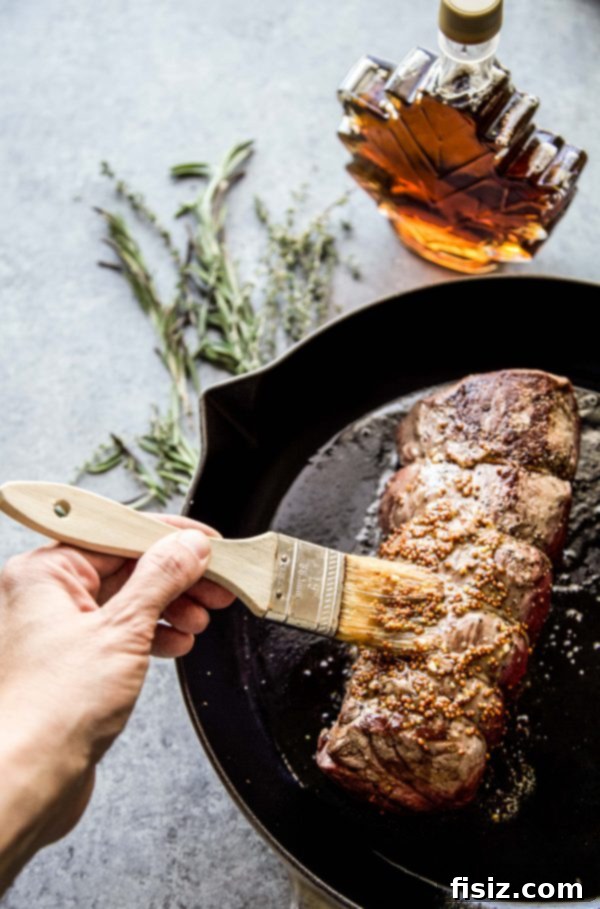
Mastering the Art of Roasting Beef Tenderloin: Expert Tips for Perfection
While beef tenderloin might seem intimidating, it’s remarkably easy to cook to perfection with a few key techniques. Follow these expert tips for a tender, juicy, and incredibly flavorful roasted beef tenderloin every time:
- Bring it to Room Temperature: This step is critical for even cooking. Always allow your beef tenderloin to sit out on the counter for at least two hours before you plan to cook it. Starting with a cold piece of meat means the outside will overcook before the inside reaches the desired temperature. Room temperature beef cooks more evenly and efficiently.
- Tie it for Uniformity: Beef tenderloin is a long, lean cut that tapers at one end. To ensure consistent cooking from end to end, it’s essential to tie it with butcher’s twine. This simple technique creates a uniform thickness, preventing the thinner parts from drying out while the thicker sections finish cooking. Aim for ties every 1-2 inches.
- Sear for a Golden Crust: Before placing the tenderloin in the oven, give it a good sear in a hot cast-iron skillet (or other oven-safe pan) over medium-high heat. This crucial step, known as the Maillard reaction, develops a rich, flavorful crust on the exterior, locking in juices and adding incredible depth to the meat’s flavor and texture.
- Slather with Glaze: Don’t be shy with the maple-mustard glaze! Apply a generous layer over the entire beef tenderloin after searing and before it goes into the oven. This not only infuses the meat with flavor during cooking but also helps create a beautifully caramelized exterior, making for a truly delicious and visually appealing finish.
- Monitor Internal Temperature and Rest: The key to perfectly cooked beef tenderloin is an accurate meat thermometer. For medium-rare, aim for an internal temperature of about 125-130 degrees Fahrenheit. Remove the tenderloin from the oven once it reaches this point. Then, and this is perhaps the most important tip, let it rest, tented loosely with foil, for at least 15 minutes before slicing. Resting allows the juices to redistribute throughout the meat, ensuring every slice is incredibly tender and moist. Skipping this step results in dry, less flavorful beef.
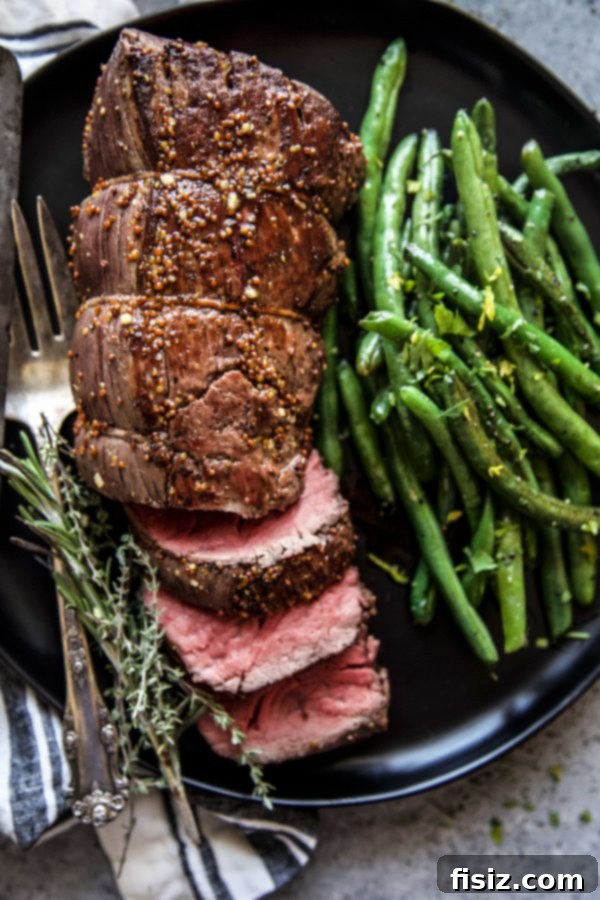
Once your beautifully glazed beef tenderloin is nestled in the oven, the magic truly begins. The aromas that will fill your kitchen are nothing short of intoxicating. Keep an eye on that internal temperature, aiming for your preferred doneness, but I highly recommend a delicious medium-rare for optimal tenderness and juiciness. Remember to reserve some extra maple-mustard glaze to serve alongside the sliced beef for dipping – it’s an irresistible accompaniment!
This Roasted Beef Tenderloin with Maple-Mustard Glaze is more than just a meal; it’s a centerpiece, a conversation starter, and a dish that truly embodies the spirit of holiday generosity and culinary delight. It proves that a gourmet experience doesn’t have to be complicated, especially when you have exceptional ingredients like Pure Maple from Canada at your disposal. This holiday season, treat yourself and your loved ones to a meal that’s both elegant and effortlessly delicious.
For more inspiring recipes and information on the exquisite taste of Pure Maple Syrup from Canada, be sure to visit their website: www.puremaplefromcanada.com. Explore a world of flavor and discover how this natural ingredient can elevate all your cooking and baking adventures.
Roasted Beef Tenderloin with Maple-Mustard Glaze
Prep Time: 15 minutes
Cook Time: 30 minutes
Ingredients:
- 4 to 5 lb beef tenderloin, cut into two pieces and tied
- 2 tbsp olive oil
- 1/3 cup whole grain mustard
- 1/3 cup Pure Maple Syrup from Canada
- 1 tbsp apple cider vinegar
- 1.5 tsp minced garlic
- salt and pepper to taste
Directions:
- Preheat an oven to 425 degrees F (220 C).
- Place olive oil in a large cast-iron skillet (or other oven-safe pan) and heat over medium-high heat until shimmering. Sear the beef tenderloin for about 3 to 5 minutes on all sides, turning occasionally, until a beautiful golden-brown crust forms.
- While the tenderloin sears, prepare the maple-mustard glaze. In a small bowl, combine the whole grain mustard, Pure Maple Syrup from Canada, apple cider vinegar, minced garlic, salt, and pepper. Mix until well incorporated. Take approximately half of the glaze and slather it generously all over the seared beef tenderloin.
- Carefully transfer the tenderloin in the skillet (or to a roasting pan if your skillet is not oven-safe) to the preheated oven. Roast for 20 to 25 minutes, or until the desired internal temperature is reached (recommended 125 degrees F / 52 C for medium-rare, keeping in mind it will continue to cook as it rests).
- Remove the tenderloin from the oven and immediately transfer it to a cutting board. Tent loosely with foil and allow the tenderloin to rest for at least 15 minutes before slicing. This is crucial for retaining its juices and tenderness.
- Once rested, slice the beef tenderloin into thick medallions. Serve immediately with the remaining maple-mustard glaze on the side for dipping, and enjoy your festive, gourmet meal!
All images and text ©Lauren Grier for The Curious Plate