
OBITUARY
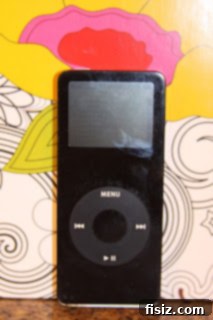
The tech world pauses today to mourn the passing of a true icon, a pioneer whose influence reshaped modern culture and personal entertainment. Mr. Pod, affectionately known to millions simply as the iPod, the seminal first-generation digital music player from Apple, passed away last night. While its physical iterations enjoyed various lifespans, the spirit and era it represented concluded, metaphorically, from complications of a short circuit in the ever-accelerating current of technological evolution. Its legacy, however, remains timeless, a testament to a revolutionary idea that once put a thousand songs in your pocket, and in doing so, changed the world.
Born into a nascent digital age in October 2001, the original iPod was more than just a gadget; it was a revelation. With its elegant, minimalist design and intuitive scroll wheel, it presented a stark contrast to the clunky, complicated MP3 players that preceded it. Steve Jobs’ vision was clear: to create a device that was simple, beautiful, and fundamentally focused on the user’s relationship with their music. It wasn’t merely about storing files; it was about curating personal soundtracks, about instant access to one’s entire music library on the go. The iPod wasn’t just sleek and undemanding; it was a statement, an extension of self for an entire generation.
In a world grappling with the transition from physical media to digital, where the internet was still finding its footing as a mass communication tool, the iPod offered a seamless bridge. It eliminated the cumbersome task of burning CDs, the limitations of radio waves, and the bulk of carrying an entire music collection. Suddenly, the soundtrack to one’s life became truly portable, effortlessly accessible. This liberation fostered an unprecedented sense of personal connection. For many, the iPod became a constant companion, a silent confidante through life’s myriad moments. It provided comfort in a world often fraught with discord, its perfectly shuffled playlists offering solace during moments of internal struggle, capable of uplifting spirits and even recalibrating one’s disposition with just a few clicks of its iconic wheel.
The impact of the iPod extended far beyond personal listening. It catalyzed the legal digital music revolution, paving the way for iTunes as a legitimate marketplace for music downloads. It redefined what consumers expected from portable electronics – not just functionality, but design, simplicity, and a delightful user experience. Its success revitalized Apple, laying the groundwork for the company’s subsequent triumphs and cementing its reputation as a design and innovation powerhouse. The iPod didn’t just play music; it reshaped an industry and redefined the possibilities of consumer technology.
Reflecting on the profound loss, countless users echo the sentiments of Lauren Grier, author of “Climbing Grier Mountain,” who affectionately described her iPod as “a companion for the ages.” She recounted, “He never berated me, and provided guidance and reassurance with a single click. He will be missed.” This sentiment resonates deeply with millions who found an unwavering presence in their iPods. It was a device that never judged their taste in music, never interrupted with notifications, and simply served the purpose for which it was created: to deliver an uninterrupted, personal auditory experience. Whether it was the backdrop to a marathon training session, the soundtrack to a cross-country road trip, or a comforting presence during a lonely commute, the iPod integrated itself into the fabric of daily life, becoming an indispensable part of countless personal narratives.
Its ease of use was legendary. The tactile satisfaction of the click wheel, navigating through thousands of songs, albums, and artists with a single thumb, was a masterpiece of human-computer interaction. It was simple enough for a child to use, yet sophisticated enough to satisfy the most demanding audiophile (within the limits of its era’s technology). The white earbuds became a ubiquitous symbol, a subtle yet powerful identifier of a new generation embracing digital music. From bustling city streets to quiet suburban parks, the silhouette of someone engrossed in their iPod became a common sight, a testament to its pervasive influence.
The iPod’s legacy is vast and multifaceted. It not only brought digital music to the masses but also served as a crucial stepping stone in Apple’s trajectory toward becoming the global technology giant it is today. It demonstrated the power of an integrated hardware-software ecosystem long before the app store era. Its design principles – simplicity, elegance, and user-centricity – became hallmarks of Apple’s product philosophy, influencing everything that came after.
Indeed, Mr. Pod is survived by a formidable technological lineage. His cousin, the revolutionary iPhone, inherited much of his spirit, integrating his music playback capabilities with an entirely new world of communication and internet access. His step-mom, the versatile iPad, further expanded on the concept of portable, intuitive computing and entertainment. And, of course, his indelible mark on the vision of his father, the late Steve Jobs, remains paramount, a core pillar of Jobs’ enduring legacy of innovation and design excellence. The iPod’s essence lives on in every device that delivers seamless digital experiences and puts powerful technology directly into the hands of users.
While the dedicated music player market has largely been absorbed by the smartphone, the memory of the iPod, particularly its early iterations, evokes a powerful nostalgia. It represents a simpler time, an era before constant connectivity became the norm, where a device could focus singularly on one task and excel at it with unparalleled grace. Its “death” is not one of failure, but of evolution – a graceful step aside as its progeny took center stage, building upon the foundations it so brilliantly laid. It was a device that truly understood its purpose, delivering joy, inspiration, and companionship without distraction.
As we reflect on the remarkable journey of the iPod, we acknowledge its profound contribution to our digital lives. It was more than just a device; it was a cultural phenomenon, a catalyst for change, and a cherished friend to millions. The melodies it played, the memories it helped create, and the path it forged for future innovations will forever be remembered.
May he rest in technology pieces, his music playing on in the hearts and devices of generations to come.