
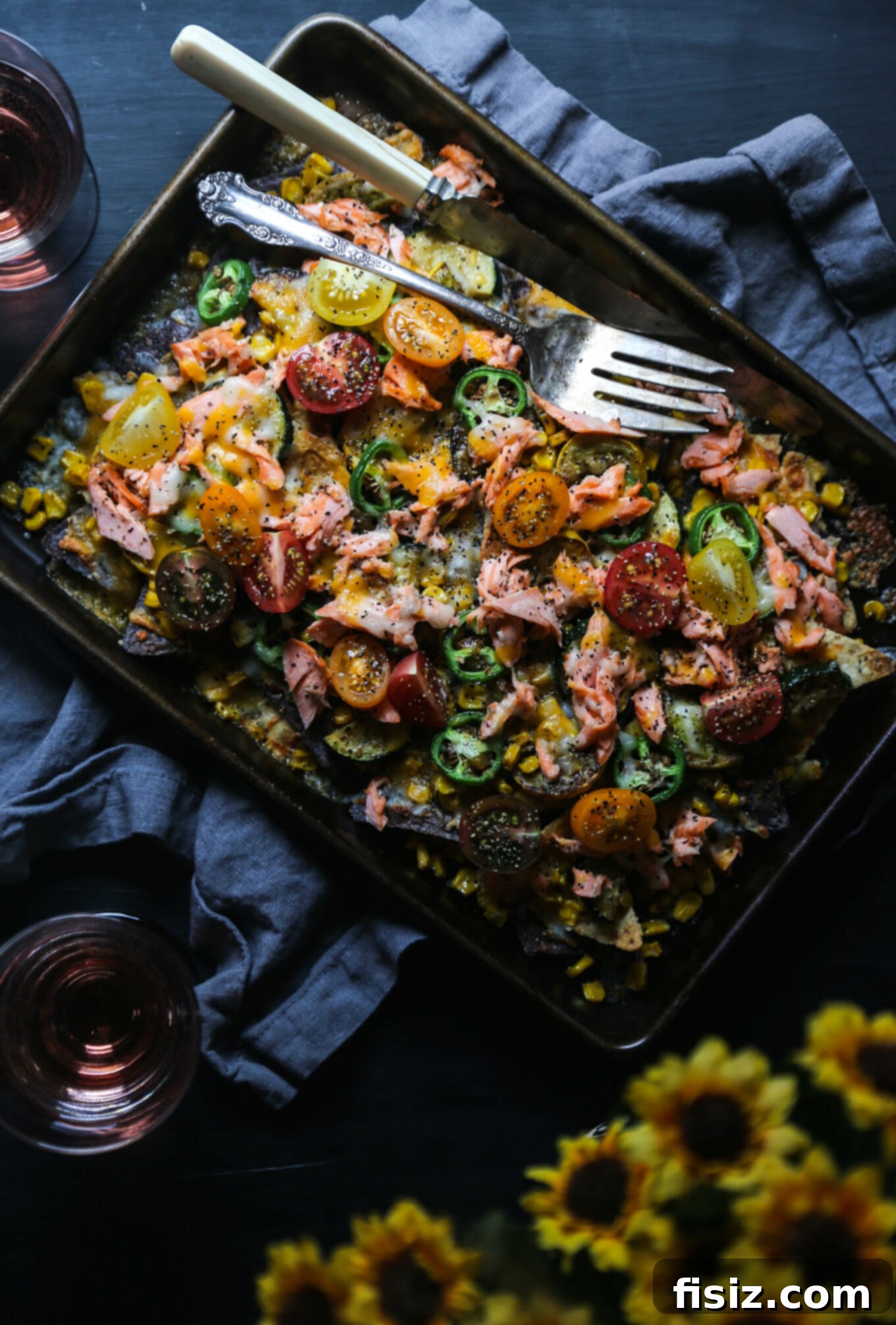
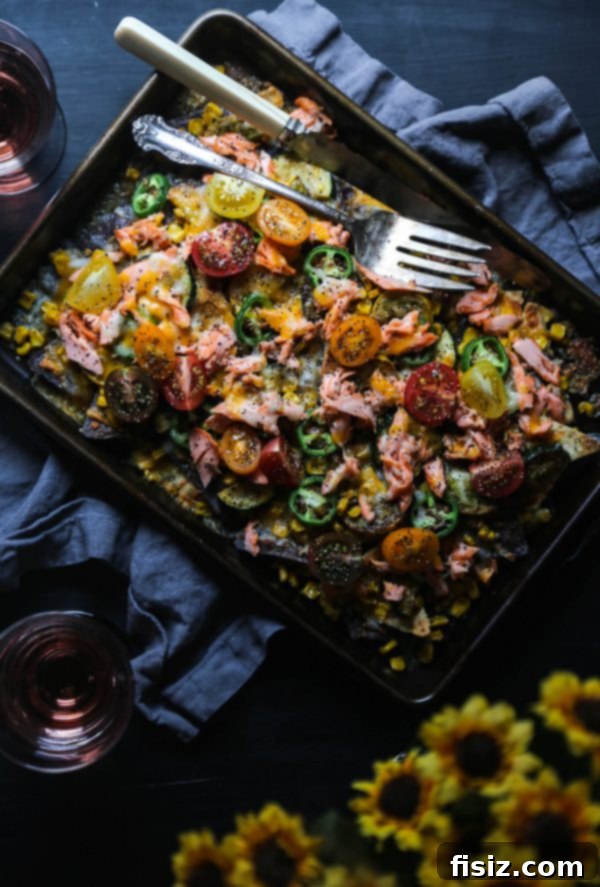
Farmers’ Market Sockeye Salmon Nachos: A Culinary Journey to Wild Alaska
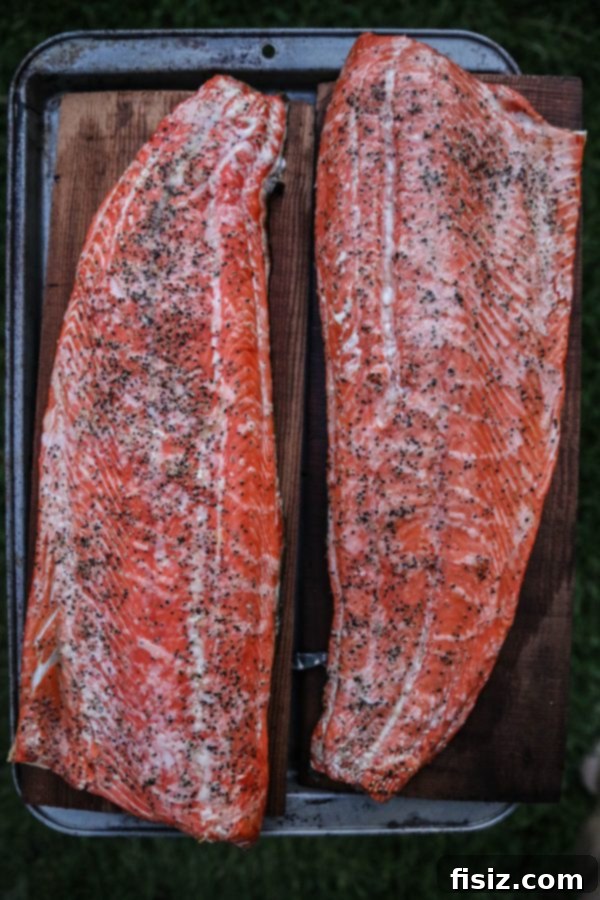
Imagine a dish that encapsulates the vibrant flavors of summer and the pristine wilderness of Alaska in every bite. Our Farmers’ Market Sockeye Salmon Nachos are precisely that – a must-make creation featuring the unparalleled taste of fresh Copper River salmon, crowned with the season’s abundant harvest. This isn’t just a recipe; it’s an invitation to explore the profound connection between sustainable fishing practices, dedicated communities, and the extraordinary quality of wild salmon that lands on your plate.
Unveiling the Essence of Wild Alaskan Salmon
What truly comes to mind when you hear the words “Wild Alaskan Salmon”? For many of us living far from the coast, our understanding might be limited to what we see behind the fish counter: frozen fillets nestled in ice, surrounded by an array of seasonings. This common experience often obscures the incredible journey and inherent value of truly wild Alaskan salmon, making the connection between the “wild” and the “Alaskan” aspects feel somewhat distant.
Today, we’re bridging that gap. Having recently immersed myself in the heart of salmon country, I’ve gained a profound appreciation for the wild salmon fishing industry. This journey offered invaluable insights into the daily challenges faced by those who sustain this industry, the meticulous care dedicated to preserving wild salmon populations, and the unwavering passion of the community that provides us with the ultimate Wild Alaskan Salmon experience.
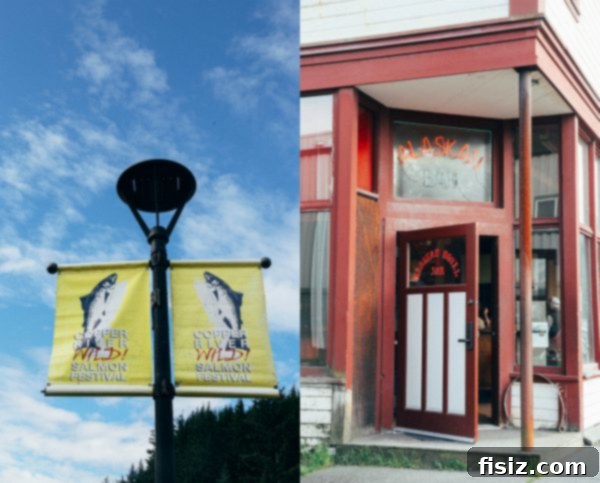
Cordova, Alaska: The Heartbeat of Copper River Fishing
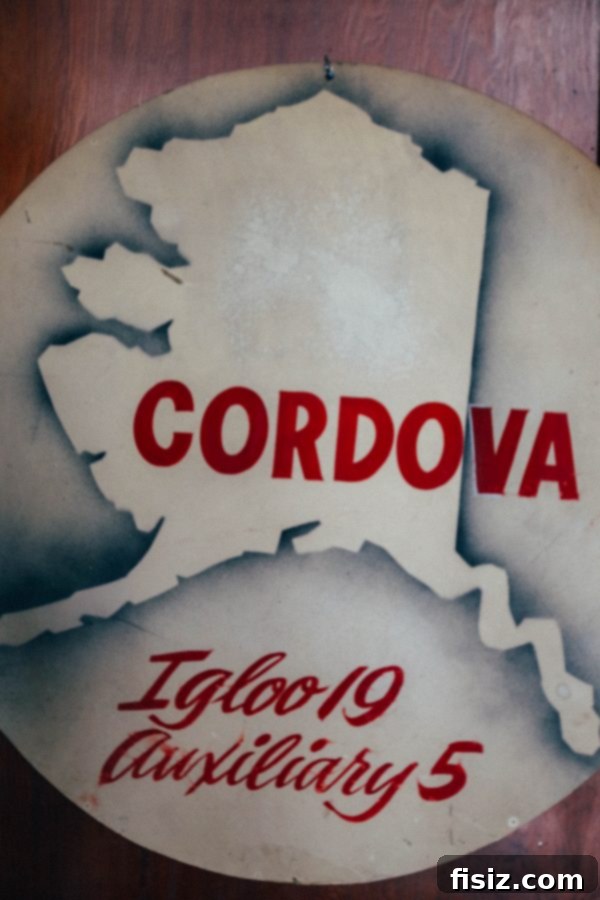
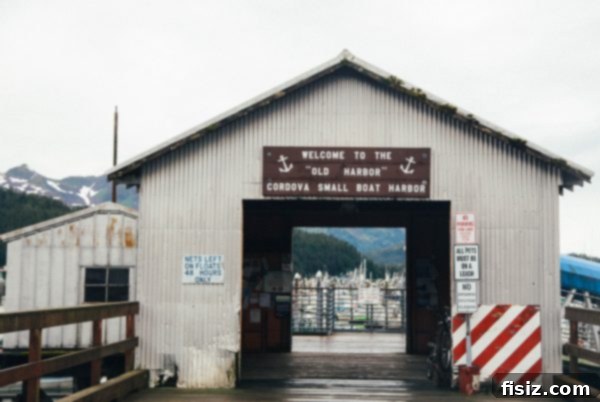
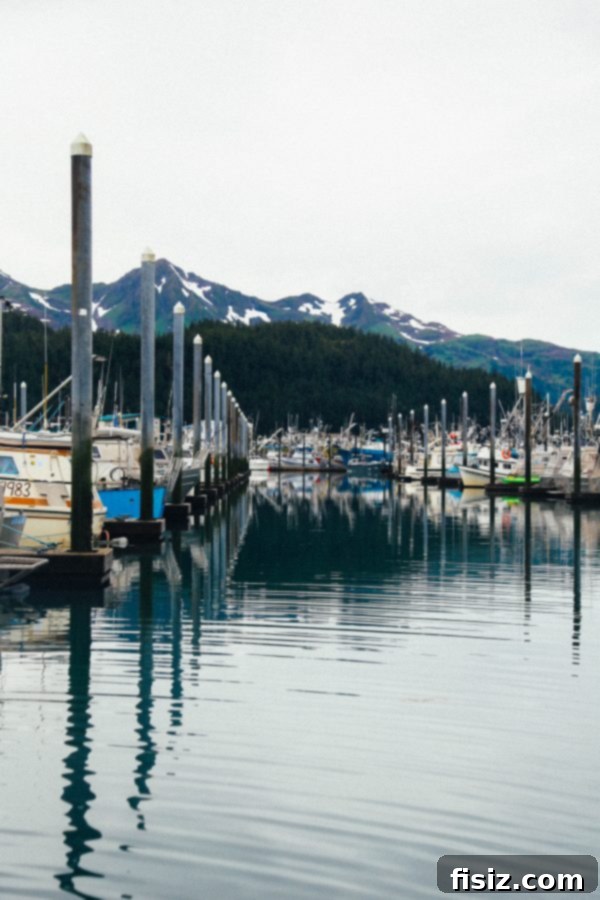
Allow me to introduce you to Cordova, Alaska, a town of approximately 2,000 resilient souls, home to the dedicated individuals behind the renowned Copper River Salmon. Nestled near the mouth of the mighty Copper River and just east of the stunning Prince William Sound, Cordova is remarkably isolated. There are no roads connecting it to other towns; access is solely by plane or ferry, making commercial fishing not just an industry, but the very lifeblood of this unique community. This is where the true story of your salmon begins.
A Fisherman’s Life: Grit, Skill, and the Open Sea
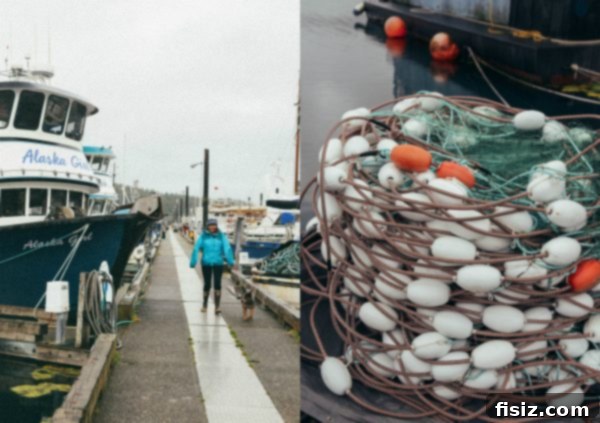
Commercial fishing, particularly in the challenging Alaskan waters, is an endeavor of immense fortitude and skill. Dispel any preconceived notions you might have, and let me paint a vivid picture. We were privileged to spend an afternoon aboard Fisherman John Williams’ boat, gaining firsthand experience of what it truly takes to be a commercial fisherman. As we navigated out of the harbor, it took approximately 45 minutes to reach our chosen fishing spot, a journey that underscored the vastness of these waters. The sheer exclusivity of this pursuit is striking: only 541 permits exist for fishing in and around Cordova. Securing one is a rare feat, often inherited through generations, or acquired at a staggering cost, frequently upwards of $250,000, when they occasionally become available.
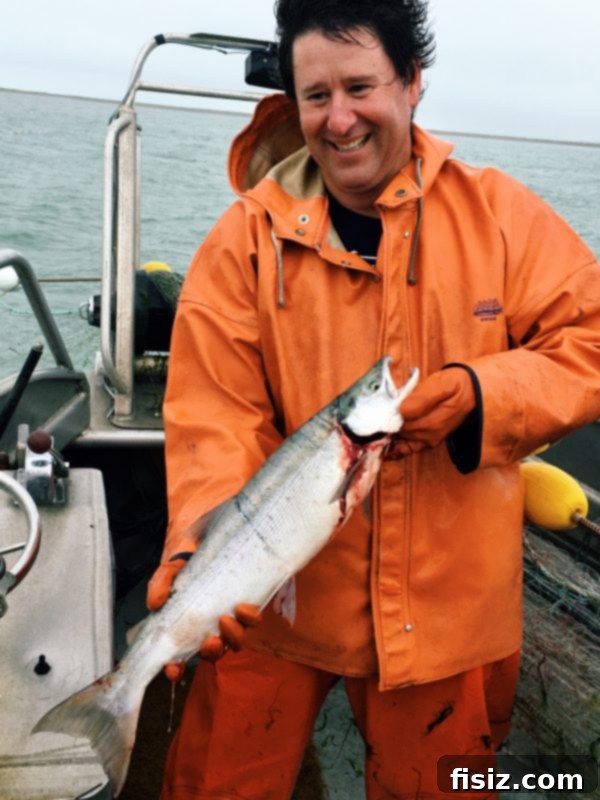
The vast majority of these fishing vessels are operated by a single individual. Imagine the isolation and sheer physical and mental endurance required to be alone at sea for 36 hours straight. Upon reaching our designated area, John skillfully deployed his gillnet, an impressive piece of equipment extending roughly 900 feet in length. Then, we waited. After only about five minutes, in waters approximately 30 feet deep, it was time to check the net. Following two careful attempts, we successfully landed a single, magnificent salmon. A truly hard-earned catch.
Guardians of the River: Sustainable Practices & Salmon Conservation
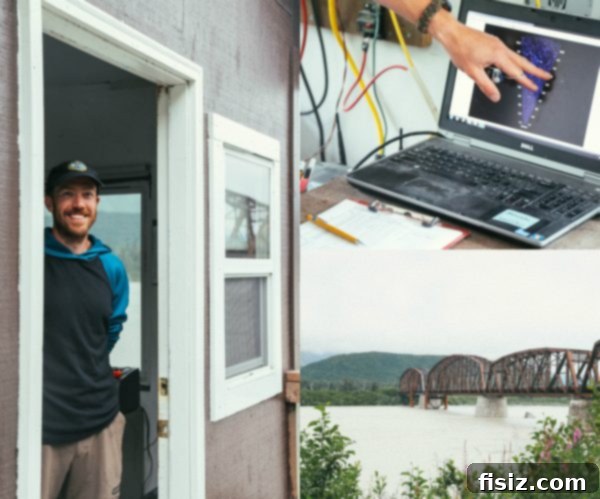
You might wonder about the strict 36-hour fishing window. This is where the critical role of the Alaska Department of Fish and Game (ADF&G) comes into play, a testament to Alaska’s unwavering commitment to sustainability. Meet Shane, a dedicated individual stationed at the sonar station near Child’s Glacier, close to the aptly named Million Dollar Bridge. His vital job, shared with two other resilient colleagues, is to meticulously count—often by hand—the thousands of salmon and other aquatic species migrating upstream during the various seasonal runs. These precise population figures are instrumental in allowing the ADF&G to maintain a delicate balance between fish populations and the commercial fishing industry. If the ADF&G determines that salmon require more numbers for successful spawning, they will adjust and often reduce the permissible fishing time, ensuring the long-term health of the salmon stocks.
The Miraculous Salmon Life Cycle
A quick lesson in the remarkable salmon spawning process: salmon are born in freshwater streams, where they spend their early lives. Once matured, they embark on an incredible journey to the vast ocean, thriving there for several years. With an almost instinctual precision, they then undertake the arduous journey back to the very same freshwater stream of their birth to spawn, completing their life cycle. Consider the extraordinary King Salmon, prized for its high omega-3 content and rich fattiness; it swims an astonishing 300 miles upstream in the Copper River just to spawn. Talk about an ultimate endurance test! To clarify, fishermen primarily catch salmon that are making this incredible journey back to their spawning grounds, ensuring that the younger generations have ample opportunity to grow and contribute to the population before being harvested. This thoughtful approach ensures the sustainability of the fishery for years to come.
From Pristine Waters to Your Plate: The Journey of Copper River Salmon
Once caught, the salmon are quickly transferred from the fishing boats to local processing plants. Here, these magnificent fish—whether King, Sockeye, Coho, or other species—are handled with utmost care. They are either expertly frozen, canned, or prepared for fresh shipment, destined for kitchens and tables around the globe. However, if you’re fortunate enough to reside in Cordova, you have the unique pleasure of enjoying this fresh, wild salmon prepared in countless delicious ways, a testament to its versatility and the local abundance.
Why Copper River Sockeye Salmon is Worth Every Penny
This entire experience was an absolute revelation. I believe it’s profoundly meaningful for all of us, especially those far from the source, to understand where our food comes from and the incredible dedication behind it. When you see that beautiful piece of Copper River King or Sockeye salmon on your plate, remember the tireless work, the challenging conditions, and the unwavering commitment of an entire community. Take a moment to appreciate the price tag—often around $28 a pound—not just as a cost, but as an investment. It’s an investment in sustaining this vital wild salmon industry, supporting the livelihoods of the fishermen and the conservation efforts that ensure these precious fish continue to swim for generations to come. Every penny contributes to preserving an authentic wild food source and a way of life.
Our heartfelt gratitude goes out to the incredible fishermen and fisherwomen of Cordova for generously welcoming us into their demanding lives. Your passion, humility, and dedication are truly infectious, and we cannot thank you enough for your immense hard work. A special thank you also to the Copper River Marketing Association Team for being our invaluable guides on this journey. Without your expertise and assistance, our exploration into this beautiful Alaskan world would simply not have been possible. And to all the other wonderful individuals who contributed to making this trip memorable—from cooking delicious meals and stocking our accommodations to allowing us to capture your moments and making us long to return to Alaska sooner rather than later—thank you.
Until next time, Cordova.
***This post is proudly sponsored by Copper River Salmon. As always, all opinions expressed are 100% my own.***


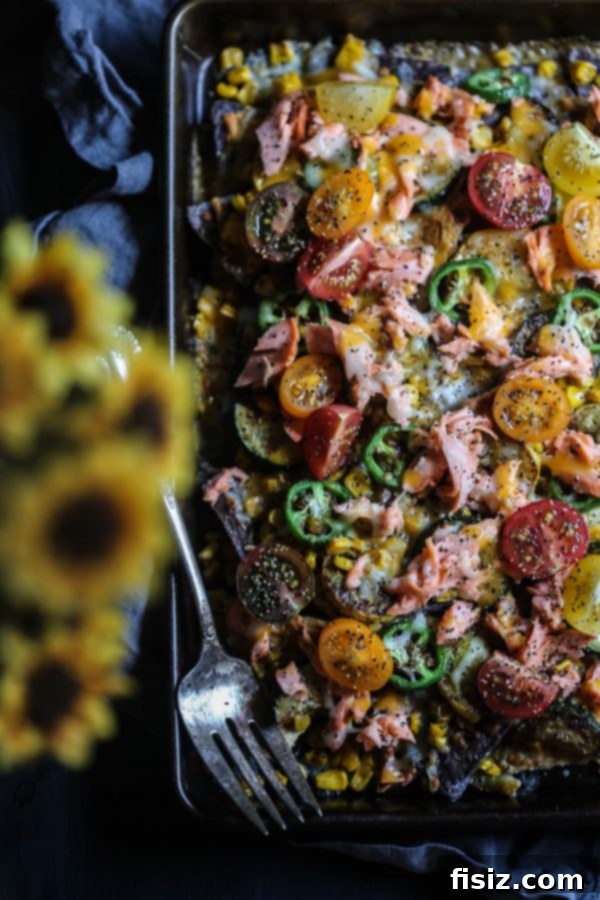
Farmers Market Sockeye Salmon Nachos
Prep Time: 1 hour
Cook Time: 30 minutes
Ingredients:
Directions:
All images and text ©Lauren Grier for The Curious Plate
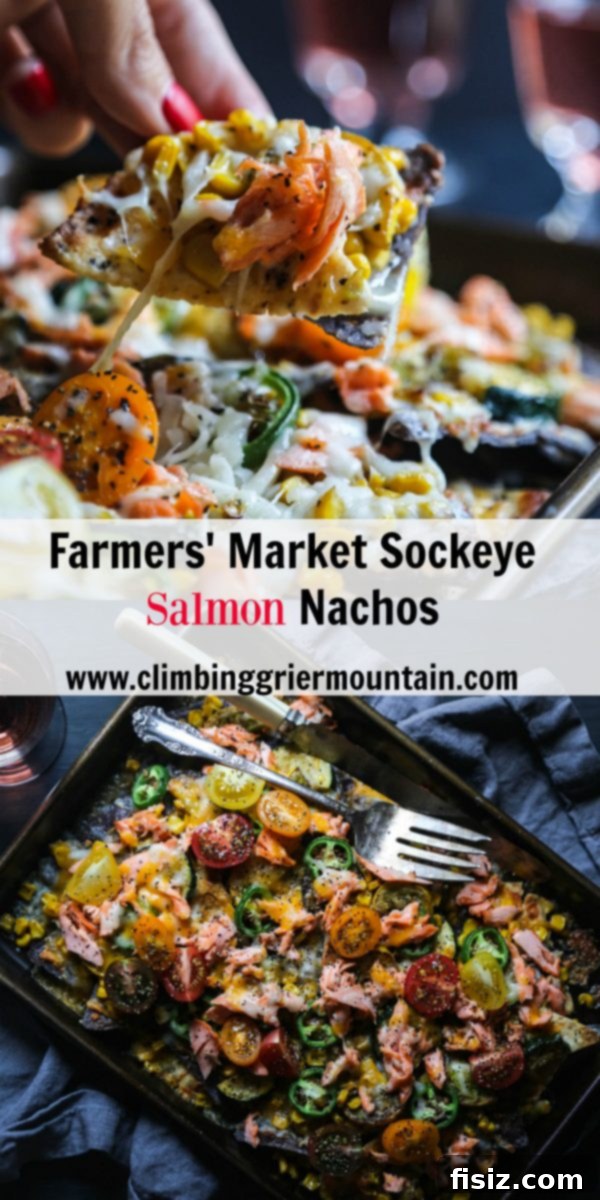
Elevate your snacking experience and impress your guests with these Farmers Market Sockeye Salmon Nachos. This delightful seafood twist on classic nachos delivers fresh, vibrant flavors in every bite, making it the perfect showstopper for any gathering or a special weeknight treat. Enjoy the taste of wild Alaska, brought straight to your table.