
Hello everyone, I’m Lauren Grier, and if there’s one culinary area where I consistently fall short, it’s cooking Asian food. Seriously. It’s not for lack of trying, nor is it due to a lack of appreciation for the incredible diversity and flavors found within this vast and wonderful cuisine. In fact, it’s quite the opposite – my love for Asian dishes is what drives me to attempt them in my own kitchen, only to be met with consistently disappointing results. This isn’t just a minor struggle; it’s a full-blown culinary enigma that leaves me scratching my head and often ordering takeout instead.
The Allure and Intimidation of Asian Cuisine
Asian cuisine encompasses a huge variety of regional styles, from the fiery curries of Thailand to the delicate sushi of Japan, the aromatic stir-fries of China, and the vibrant flavors of Vietnam and Korea. Each dish tells a story, balancing sweet, sour, salty, bitter, and umami in ways that tantalize the taste buds. The desire to recreate these authentic flavors at home is a powerful motivator for many home cooks, including myself. There’s a certain magic in preparing a dish that transports you to another culture, right from your dining table. However, for some of us, that magic quickly turns into a kitchen nightmare, a frustrating dance between ambition and execution.
Tonight’s Stir-Fry Fiasco: A Simple Dish, An Epic Failure
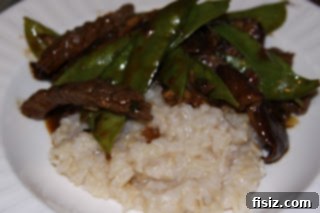
Tonight, for instance, I embarked on what I believed would be a straightforward culinary adventure: a simple beef and vegetable stir-fry. It’s supposed to be one of the easiest, fastest, and healthiest weeknight meals, right? Chop some veggies, slice some meat, whip up a quick sauce, and toss it all in a hot wok or skillet. What could possibly go wrong? As it turns out, a lot. Despite meticulously following the recipe, gathering only the freshest ingredients – crisp snow peas, earthy shiitake mushrooms, tender beef strips, and an array of vibrant peppers – I failed in truly epic proportions. The vegetables ended up watery and limp, the beef was tough and overcooked, and the sauce, which should have been a glossy, flavorful coating, was thin, bland, and clung to nothing. It was a disheartening display of my continued inability to master even the most basic tenets of Asian cooking.
The Persistent Rice Predicament: My Eternal Oatmeal Curse
Beyond the stir-fry itself, there’s a deeper, more fundamental issue that plagues my Asian cooking endeavors: rice. I feel as though I am genuinely cursed when it comes to preparing this staple grain. Every single time I attempt to cook rice, without fail, it inexplicably transforms into a gooey, unappetizing oatmeal consistency. Have you ever had oatmeal rice? It’s exactly as dreadful as it sounds, and I absolutely do not recommend it. It’s a culinary paradox, an enigma wrapped in a steamed grain. I understand the basic principles, or at least I thought I did. The golden rule: 1 cup of rice to 2 cups of water. Bring the water to a rolling boil, add the rinsed rice, reduce the heat immediately to a gentle simmer, cover the pot tightly, and let it cook undisturbed until all the water is absorbed. Simple, right? Apparently not for me.
For some inexplicable reason, whenever I step into the kitchen with the intention of cooking fluffy, separate grains of rice, it’s ALWAYS opposite day. The precise ratio, the careful timing, the unwavering lid – none of it seems to matter. The result is consistently a sticky, mushy mess that bears a closer resemblance to porridge than the perfect accompaniment to my stir-fry (or any other dish, for that matter). Who knew something so seemingly simple, so fundamental to countless cuisines worldwide, could cause such a profound level of anxiety and self-doubt in a home cook?
Unpacking the Science (and Art) of Rice Cooking
The perfect pot of rice is foundational to so many Asian dishes, and its preparation is often considered a basic skill. Yet, for me, it remains an insurmountable hurdle. I’ve tried different types of rice – Jasmine, Basmati, short-grain, long-grain – thinking perhaps the varietal was the issue. I’ve experimented with rinsing the rice thoroughly until the water runs clear, believing starch was the enemy. I’ve even contemplated investing in a high-end rice cooker, hoping automation would save me from myself, but I keep holding out, convinced I should be able to master such a basic technique.
Could it be the pot? Too thin? Too thick? Is my stove’s simmer setting not gentle enough? Am I succumbing to the temptation to lift the lid and peek, thus releasing essential steam? I’ve gone over every step in my head countless times, replaying the sequence of actions, trying to pinpoint the exact moment where perfection veers off into mushy disaster. The frustration isn’t just about the ruined side dish; it’s about the feeling of incompetence when faced with an ingredient that billions of people across the globe prepare flawlessly every single day.
A Husband’s Love and a Secret Nose Pinch: The Aftermath of Dinner
Anyways, thank goodness that I am blessed with a truly loving and incredibly supportive husband. Despite the culinary catastrophe that graced our dinner table tonight, he cleared his plate. Every last bit of that creamy, regrettable stir-fry and rice was consumed. While he offered encouraging words about my efforts, I have a sneaking suspicion that he may have secretly pinched his nose while eating this particular dish. I know I certainly would’ve! There’s a certain kind of unspoken heroism in a partner who willingly consumes your cooking failures, especially when they’re as spectacularly unsuccessful as mine often are. It’s a testament to his love, or perhaps his very strong stomach, but either way, I’m grateful.
The Unappetizing Reality: A Picture Worth a Thousand “Barfs”
To provide undeniable proof of my culinary shortcomings, here is a picture of the finished product. Behold, the infamous creamy rice, accompanied by a rather sad-looking stir-fry. Mmmmm… creamy rice. Barf. It’s a sight that speaks volumes, a visual representation of my ongoing battle with the basics. The texture alone is enough to send shivers down a chef’s spine, and the overall aesthetic certainly isn’t going to win any culinary awards. It’s a humbling reminder that even with the best intentions and fresh ingredients, cooking requires skill, precision, and apparently, a magic touch that I have yet to acquire when it comes to Asian dishes.
A Plea for Culinary Redemption: I Need Your Help!
This ongoing struggle is more than just a minor inconvenience; it’s a genuine culinary frustration that I am determined to overcome. I yearn to be able to whip up delicious, authentic-tasting Asian meals at home without fear of another disaster. So, I am turning to the collective wisdom of the internet, to all you seasoned cooks and culinary gurus out there. Do you have any advice for cooking rice that actually yields separate, fluffy grains? What are your secrets to perfect Asian stir-fries – from preventing soggy vegetables to achieving that ideal balance of sauce? I am desperate for guidance! Please, share your foolproof methods, your hard-earned tips, and any wisdom you possess that could help me break free from this rice-oatmeal curse and stir-fry stagnation.
Sharing is Caring: Your Wisdom is My Hope
No tip is too small, no advice too obvious. Perhaps there’s a specific type of pot, a particular brand of rice, a unique technique for rinsing, or a secret ingredient for stir-fry sauce that I’m overlooking. I am open to all suggestions, from the most basic beginner tips to advanced culinary hacks. Help me transform my kitchen from a zone of culinary despair into a place where the aromas of delicious Asian food can finally flourish. Your insights could be the key to unlocking my potential and finally allowing me to cook an Asian meal that isn’t just edible, but genuinely enjoyable. I eagerly await your wisdom and hope to one day share a success story instead of another tale of kitchen woe!