
There’s an undeniable magic in baking, especially when it comes to the simple yet profound joy of sugar cookies. The promise of crisp edges, tender centers, and a canvas ready for frosting brings smiles to faces young and old. It’s a culinary ritual, a comfort food, and for many, a nostalgic journey back to childhood kitchens. We embark on this journey with visions of perfectly golden, delightfully soft sugar cookie dough, ready to be rolled, cut, and transformed into edible art.
Indeed, that first image captures the essence of potential – a smooth, pliable sugar cookie dough, an ideal foundation for deliciousness. It’s the picture of everything going right, a testament to careful measurement and mindful preparation. This is the goal, the vision every home baker holds when they set out to create these beloved treats. But then, there are those moments, those universal baking blunders, that remind us that even the simplest recipes can present unexpected challenges. We’ve all been there, standing over a mixing bowl, wondering what went wrong.
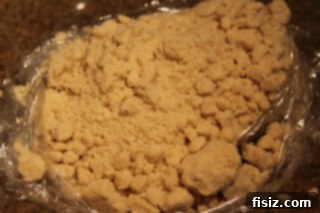
This, for instance, is sugar cookie dough without a full cup of butter. The texture is markedly different, isn’t it? Instead of that soft, cohesive ball, you might find yourself with a crumbly, dry, and unmanageable mixture that refuses to come together. It’s a common pitfall, one that can swiftly turn a joyous baking session into a perplexing puzzle. This change in consistency is more than just aesthetic; it fundamentally alters how the cookies will bake, taste, and feel.
The Anatomy of a Baking Blunder: When Recipes Go Awry
So, how does such a fundamental error occur? How does a critical ingredient like butter, the very soul of a rich sugar cookie, get overlooked or under-measured? Often, it’s not a lack of skill but a simple lapse in concentration. And sometimes, just sometimes, it’s because this will happen if you drink a bottle glass of red wine while trying to read a recipe. Yes, dear bakers, even the most seasoned among us can succumb to the allure of a relaxing evening beverage, only to find our culinary precision a little… blurred.
Baking, at its core, is a science. It demands precision, attention to detail, and a clear mind. Unlike cooking, where a pinch of this or a dash of that often works out beautifully, baking relies on specific ratios and chemical reactions. Missing a crucial ingredient like a full cup of butter isn’t just a minor adjustment; it’s a fundamental alteration to the dough’s structure, texture, and flavor profile. Butter provides fat, moisture, and tenderness. Without enough of it, your dough becomes dry, brittle, and difficult to work with, leading to cookies that spread incorrectly, taste bland, and crumble easily. The rich, melt-in-your-mouth texture that makes sugar cookies so beloved is entirely dependent on that essential fat content.
Common Sugar Cookie Mistakes (Beyond the Missing Butter)
While an evening with a good book and a glass of wine can be a delightful distraction, it highlights a broader truth about baking: distractions are the enemy of success. Whether it’s a ringing phone, demanding children, an engaging podcast, or simply trying to rush the process, anything that pulls your focus away from the recipe can lead to errors. Let’s explore some other common pitfalls in the quest for the perfect sugar cookie, ensuring your baking journey is as smooth as your dough should be:
- Incorrect Flour Measurement: Flour is often the culprit behind tough or overly crumbly cookies. Too much flour makes cookies dry and tough; too little makes them spread too much. Always spoon and level flour into your measuring cups, never scoop directly from the bag, as this can compact the flour and add an extra 20-30% to your measurement.
- Overmixing the Dough: Once wet and dry ingredients are combined, mix only until just incorporated. Overmixing develops gluten in the flour, leading to tough, chewy cookies instead of the tender ones we all crave. The moment you see no more streaks of dry flour, stop the mixer.
- Not Chilling the Dough: This step is non-negotiable for perfectly shaped sugar cookies. Chilling allows the butter to firm up, preventing excessive spreading during baking and making the dough much easier to handle for cutting shapes. It also lets the flavors meld and the gluten relax, contributing to a better texture.
- Baking at the Wrong Temperature: Ovens vary significantly, and an oven that’s too hot or too cold can drastically affect the outcome. Too hot, and your cookies burn quickly; too cold, and they spread excessively and lose their shape. Invest in an oven thermometer to ensure your oven is truly at the temperature you set.
- Forgetting to Scrape the Bowl: Ingredients, especially butter and sugar, can stick to the bottom or sides of the mixing bowl, leading to uneven mixing and inconsistent cookie batches. A quick scrape down with a spatula ensures everything is thoroughly incorporated for a uniform dough.
- Using Cold Ingredients (when room temperature is required): Many recipes, including sugar cookies, call for room temperature butter and eggs because they emulsify better with sugar, creating a smoother, more aerated dough. Cold ingredients can result in a lumpy mixture and a denser cookie. Plan ahead and let them warm up for an hour or two.
Mastering the Art of Perfect Sugar Cookies: Essential Tips for Success
Don’t let a few baking mishaps deter you! With a little mindfulness and adherence to some key principles, you can consistently achieve sugar cookie perfection. Here’s a comprehensive guide to navigating your way to flawless results, even when life throws you curveballs (or enticing glasses of Cabernet):
1. Read the Recipe Thoroughly (and Then Read It Again)
This is perhaps the most crucial, yet often overlooked, step in any baking endeavor. Before you even pull out your mixing bowls, read the entire recipe from start to finish. Understand the sequence of steps, identify any special techniques, and, most importantly, confirm you have all the necessary ingredients in the correct quantities. A second read-through after gathering your ingredients can catch those “missing butter” moments before they happen. Imagine reading “cream butter and sugar” and realizing you only have half the required butter – better to know *before* you’ve started mixing and committed your time and other ingredients.
2. Precision in Measurement: Your Baking Holy Grail
As we’ve established, baking is a science, and science demands precision. Invest in a good kitchen scale for accuracy, especially for flour, which can vary wildly in weight depending on how it’s scooped. For liquids, use clear liquid measuring cups at eye level to ensure accuracy. For dry ingredients like sugar and butter, use dry measuring cups and level them properly. Butter, in particular, should be measured carefully. If using sticks, pay attention to the markings; if scooping from a tub, pack it firmly into the measuring cup to remove air pockets and ensure an accurate measurement. This attention to detail can prevent many common baking failures.
3. Temperature Matters: Room Temp is Your Friend
Most sugar cookie recipes call for room temperature butter and eggs. Why is this so important? Because room temperature butter creams beautifully with sugar, incorporating air and creating a light, fluffy base for your dough. This aeration is key to a tender, delicate cookie. Cold butter won’t cream properly, leading to a denser, tougher cookie. Similarly, cold eggs can seize up butter, resulting in a lumpy mixture that’s hard to work with. Plan ahead, take your ingredients out of the fridge an hour or two before you begin, or use quick methods like cutting butter into small pieces or placing eggs in warm water.
4. The Art of Mixing: Less is Often More
Once you’ve creamed your butter and sugar, and beaten in your eggs, it’s time for the dry ingredients. This is a critical juncture where many bakers go wrong. Mix them *just* until combined. Overmixing develops gluten in the flour, which leads to tough, chewy cookies – the opposite of the desired tender, melt-in-your-mouth texture for sugar cookies. As soon as you see no more streaks of flour, stop the mixer. A light touch here makes all the difference.
5. The Chill Factor: A Non-Negotiable Step for Perfect Shapes
Chilling your sugar cookie dough for at least 30 minutes (or even overnight) is absolutely essential for several reasons. This allows the butter to firm up, preventing your cookies from spreading excessively in the oven and retaining their cut-out shapes. It also gives the gluten a chance to relax, resulting in a more tender cookie, and makes the dough much easier to roll out and cut into intricate shapes without sticking or tearing. Patience at this stage truly pays off in terms of cookie aesthetics and texture.
6. Preheat and Monitor: Oven Temperature is Key to Even Baking
Always preheat your oven completely before baking. An oven that hasn’t reached its target temperature will affect baking time and cookie spread, leading to inconsistent results. Consider using an inexpensive oven thermometer to verify your oven’s accuracy; many ovens run hot or cold, sometimes by as much as 25-50 degrees. Bake cookies until the edges are lightly golden and the centers are set but still look slightly soft – they will continue to cook slightly on the baking sheet after removal due to residual heat, ensuring a perfectly tender center.
Embracing the Journey: Learning from Every Batch
Every baker, from novice to expert, has a story of a baking mishap. These moments, like the infamous missing butter incident, aren’t failures but invaluable learning opportunities. They teach us patience, the importance of focus, and the delicate balance of ingredients. They also provide fantastic anecdotes that make us laugh, cringe, and ultimately, grow as bakers. The journey of perfecting a recipe is often paved with these small, memorable blunders.
So, the next time you find yourself with crumbly dough or cookies that look nothing like the picture in the cookbook, take a deep breath. Don’t despair! Evaluate what might have gone wrong, adjust your approach, and try again. Perhaps save that glass of red wine for *after* the cookies are safely cooling on the rack. Or, if you absolutely must multitask, ensure your recipe-reading skills are still razor-sharp and perhaps employ a helpful baking assistant (human or otherwise!) to double-check measurements.
Baking is meant to be an enjoyable, creative outlet. Even when things don’t go perfectly, the process itself, the wonderful aromas filling your home, and the eventual (even if imperfect) treat are all part of the charm. Don’t be afraid to experiment, to troubleshoot, and most importantly, to enjoy every sweet step of the sugar cookie journey. After all, a slightly imperfect homemade cookie still tastes far better than no cookie at all.
Any questions? Remember, the best lessons are often learned in the kitchen, one delicious (or delightfully disastrous) batch at a time! Happy baking!