
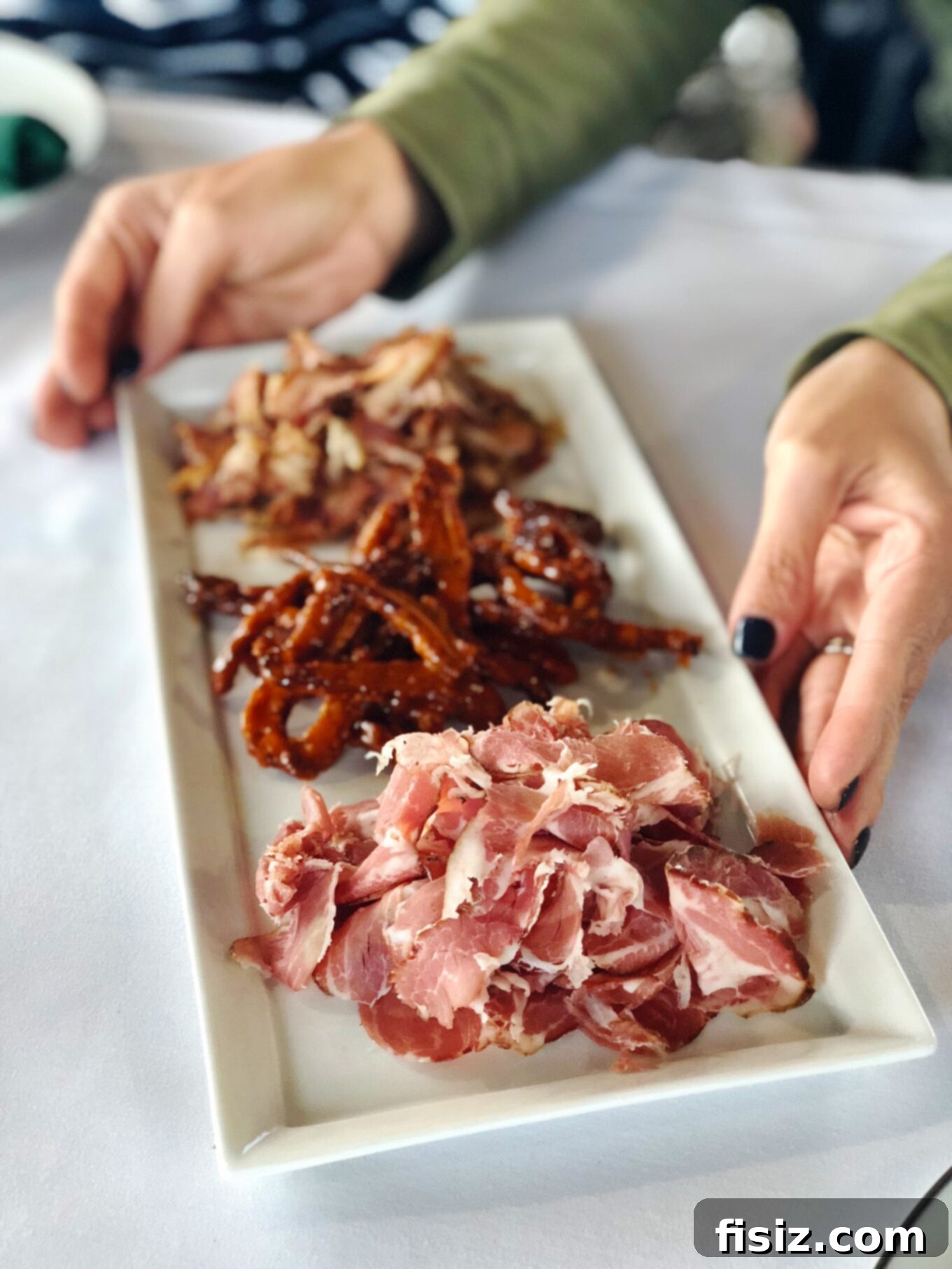
Mastering the Art of Pork: A Comprehensive Guide to Choosing the Perfect Cut and Cooking It Flawlessly
Embarking on a culinary journey with pork opens up a world of rich flavors and diverse textures. From succulent roasts to crispy chops, the versatility of pork makes it a favorite in kitchens worldwide. However, the secret to truly exceptional pork dishes lies in one crucial step: knowing how to choose the correct cut of pork. This isn’t just about picking any piece; it’s about understanding which cut aligns best with your desired cooking method and the flavor profile you aim to achieve. Our comprehensive guide simplifies this process, transforming you into a confident pork connoisseur and ensuring every meal is a triumph.
***This post is proudly sponsored by Pork.org, a leading resource dedicated to sharing insights into pork production, nutrition, and delicious recipes. All opinions expressed are 100% my own, reflecting my genuine enthusiasm for this incredible protein.***
Over the years, pork has undergone a remarkable transformation, evolving into a leaner, more versatile protein option for home cooks and professional chefs alike. The journey of pork from farm to fork has been refined, with modern farming practices emphasizing animal welfare and food safety. This commitment has led to significant advancements, including updated cooking guidelines from the USDA that empower you to cook pork safely while retaining its maximum juiciness and flavor. Remember, the minimum safe internal cooking temperature for whole cuts of pork is now 145 degrees Fahrenheit, followed by a three-second rest. This simple guideline ensures a perfectly cooked, tender, and delicious result every time.
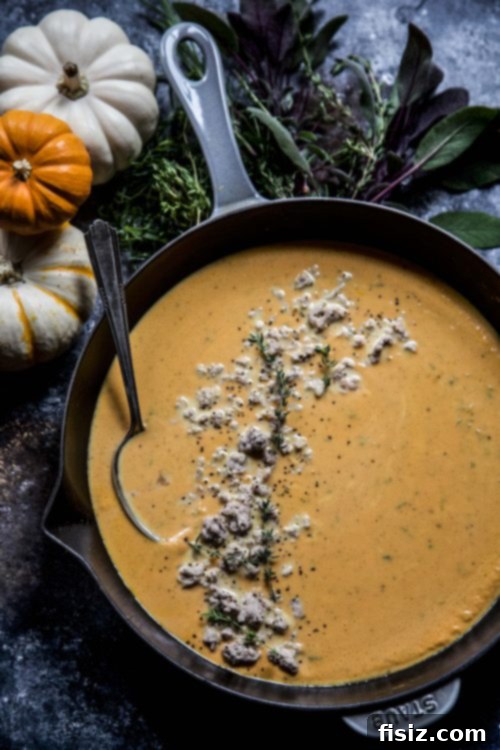
Beyond safety, understanding pork also unlocks incredible recipe potential. For instance, the richness of ground pork can be transformed into incredibly comforting dishes, like a luscious Pumpkin Cream Sauce, perfect for enhancing a Slow Cooker Lasagna. The possibilities are truly endless once you master the foundational knowledge of selecting and preparing this fantastic meat.
Unlocking the Secrets to Choosing Quality Pork
Stepping into the grocery store meat aisle can sometimes feel overwhelming with the array of options available. But with a few simple tips, you can confidently select the highest quality pork for your culinary creations. Choosing the correct cut of pork goes beyond just identifying the name; it involves evaluating its appearance and packaging to ensure freshness and flavor.
Key Indicators of Fresh and Flavorful Pork:
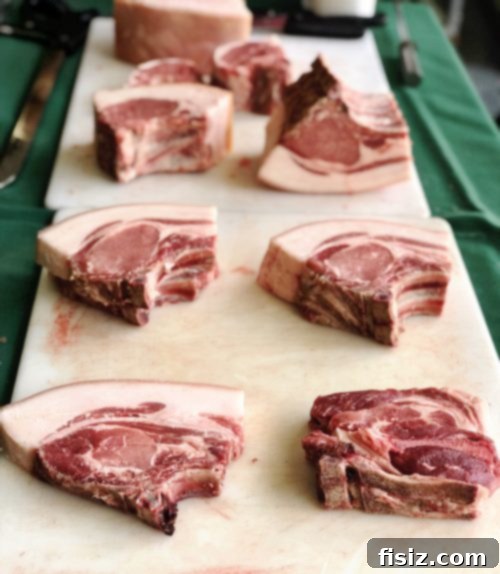
- “Redder is Better” – The Power of Color: When examining pork, look for a reddish-pink hue. Darker, richer red tones often indicate fresher, more flavorful meat. Avoid pork that appears pale, gray, or has an off-color, as these can be signs of age or poor quality. The vibrant color is a testament to the meat’s freshness and the promise of a delicious meal.
- Moisture Control – Ditch the Excess Liquid: Always check the packaging for excessive liquid. While a small amount of moisture is normal, a package filled with liquid suggests that the pork might have been frozen, thawed, or improperly handled. Excess liquid can lead to a drier, less flavorful end product as the meat loses its natural juices. Choose packages where the pork appears firm and there’s minimal liquid pooling.
- Marbling Matters – A Sign of Tenderness: Just like with beef, marbling – the fine streaks of fat interspersed within the lean meat – plays a crucial role in pork’s flavor and tenderness. Opt for cuts with visible, fine marbling. As the pork cooks, this intramuscular fat renders, infusing the meat with moisture and rich flavor, ensuring a juicy and tender result.
- Firm Texture and Absence of Odor: Fresh pork should have a firm texture when lightly pressed. It should also be free from any strong, unpleasant odors. A fresh, clean smell is a good indicator of quality.
By keeping these simple yet effective guidelines in mind, you’ll be well-equipped to select premium pork every time, laying the groundwork for an exceptional dining experience.
The Essential Guide to Pork Cuts and Their Ideal Cooking Methods
Understanding which pork cut to choose for a specific dish is paramount to culinary success. Different cuts possess unique characteristics – varying levels of fat, muscle, and connective tissue – that make them suitable for particular cooking techniques. Here’s a detailed guide to help you navigate the world of pork cuts:
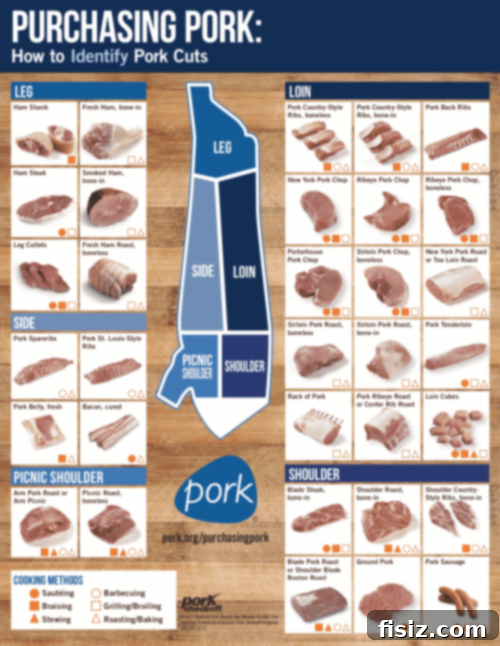
1. Pork Shoulder (Boston Butt & Picnic Shoulder)
- Characteristics: These cuts come from the front shoulder of the pig. The Boston Butt is typically a rectangular cut, well-marbled, and has a good balance of meat and fat. The Picnic Shoulder is located just below the Boston Butt and contains more bone and skin, making it slightly leaner. Both are known for their connective tissue, which breaks down beautifully with slow cooking.
- Ideal Cooking Methods: Perfect for low and slow cooking methods. Think pulled pork, braising, stewing, and smoking. The long, gentle cooking time allows the collagen to convert into gelatin, resulting in incredibly tender, buttery, and fall-off-the-bone deliciousness. Avoid quick cooking methods like sautéing, as these cuts will be tough.
- Best For: BBQ pulled pork sandwiches, carnitas, hearty stews, chili, and slow-roasted pork shoulder for large gatherings.
2. Pork Loin (Loin Roasts & Chops)
- Characteristics: This is a very lean, tender cut from the back of the pig. It can be found as a boneless or bone-in roast, or cut into individual chops. Pork loin roasts are excellent for centerpiece meals, while chops offer quick cooking versatility.
- Ideal Cooking Methods: Roasting, grilling, pan-searing, and broiling. Due to its leanness, pork loin cooks relatively quickly and can dry out if overcooked. High-heat methods that cook it through without prolonged exposure are best.
- Best For: Holiday roasts, weeknight pork chops (thick-cut for juicier results), schnitzel, or stuffed pork loin.
3. Pork Tenderloin
- Characteristics: The most tender cut of pork, coming from the muscle along the backbone. It is very lean and cooks exceptionally fast. Usually sold as a long, thin, boneless cut.
- Ideal Cooking Methods: Quick-cooking methods like pan-searing, grilling, roasting, or stir-frying. It responds well to marinades that add flavor and moisture.
- Best For: Medallions, quick elegant dinners, stir-fries, or roasted whole with herbs. Its mild flavor pairs well with a variety of sauces.
4. Pork Belly
- Characteristics: A fatty cut from the underside of the pig, known for its rich flavor and high fat content, often with layers of meat. It’s the cut used to make bacon.
- Ideal Cooking Methods: Slow roasting, braising, curing (for bacon), or crisping. The fat needs time to render and become tender or crispy.
- Best For: Homemade bacon, confit, crispy pork belly appetizers, or rich main courses.
5. Pork Ribs (Baby Back Ribs & Spare Ribs)
- Characteristics: Baby Back Ribs are lean and tender, taken from the top of the rib cage. Spare Ribs are meatier, with more connective tissue and fat, from the belly side of the rib cage.
- Ideal Cooking Methods: Smoking, grilling (low and slow), baking, or braising. These methods allow the meat to tenderize and the fat to render, creating fall-off-the-bone results.
- Best For: BBQ ribs, glazed ribs, or slow-cooked ribs with savory sauces.
6. Ground Pork
- Characteristics: Made from various cuts of pork trimmings, it offers versatility and affordability. Available in different fat percentages.
- Ideal Cooking Methods: Sautéing, browning, baking. It cooks quickly and blends well with other ingredients.
- Best For: Meatballs, sausages, pasta sauces, stir-fries, tacos, and savory meat pies.
7. Pork Hocks and Shanks
- Characteristics: These cuts from the lower leg are rich in connective tissue, bone, and skin, offering deep flavor.
- Ideal Cooking Methods: Long, slow braising, stewing, or smoking. They are excellent for creating flavorful broths and gelatinous, tender meat.
- Best For: Soups, stews, bean dishes, or traditional German-style preparations.
Keeping this guide handy will empower you to choose the perfect cut of pork for any recipe, ensuring optimal texture and taste.
Mastering Pork Cooking: Essential Tips for Juicy Results
Beyond selecting the right cut, a few key cooking principles will elevate your pork dishes from good to extraordinary. These tips focus on safety, flavor, and tenderness, ensuring every bite is a delight.
1. Temperature is King: Invest in a Quality Meat Thermometer
The single most important tool in your pork-cooking arsenal is a reliable meat thermometer. Gone are the days of guessing whether your pork is done. With the USDA’s updated guidelines, cooking whole cuts of pork to 145°F (63°C) followed by a three-minute rest is all you need for juicy, safe pork. Ground pork should still be cooked to 160°F (71°C). A thermometer eliminates guesswork, preventing both undercooked hazards and overcooked dryness. The JAVELIN PRO – Professional Gourmet Food Thermometer, for example, is a fantastic tool that provides quick, accurate readings, ensuring your pork reaches the perfect internal temperature for maximum flavor and safety.

2. The Magic of Resting Meat
Once your pork reaches its target internal temperature, resist the urge to slice into it immediately. Allowing the meat to rest for at least 3-10 minutes (depending on the size of the cut) is crucial. During this resting period, the muscle fibers relax, allowing the juices that have migrated to the center of the meat to redistribute throughout the entire cut. This results in significantly juicier, more tender pork. For roasts, tent loosely with foil; for chops, simply let them sit on a cutting board.
3. Don’t Fear the Brine or Marinade
For leaner cuts like pork loin or tenderloin, brining or marinating can make a world of difference. A brine (a solution of salt, sugar, and water) helps the meat retain moisture, while a marinade (acidic liquid with oils and seasonings) adds flavor and tenderizes the surface. Both methods are excellent ways to infuse your pork with extra succulence and taste.
4. Searing for Flavor
For chops, roasts, or tenderloins, a good sear before roasting or finishing on the stovetop creates a beautiful crust and locks in robust flavors. High heat quickly caramelizes the exterior of the pork, adding depth and texture that can’t be achieved with gentler cooking alone.
By implementing these straightforward yet powerful techniques, you’ll consistently prepare pork that is not only perfectly safe but also incredibly flavorful and moist, making every meal a memorable experience.

Explore More with the National Pork Board
The world of pork is vast and continually evolving. If you’re eager to delve deeper into topics like sustainable pork production, the role of antibiotics in farming, nutritional information, or simply discovering new recipes, the National Pork Board’s website is an invaluable resource. They are committed to transparency and provide a wealth of information, always welcoming your questions and thoughts. It’s a fantastic hub for anyone passionate about understanding where their food comes from and how to make the most of it.
Conclusion: Cook with Confidence and Savor the Flavor
Armed with a deeper understanding of how to choose the correct cut of pork and the fundamental principles of cooking it, you are now ready to elevate your culinary skills to new heights. No longer will you second-guess your selections in the meat aisle or wonder if your pork will turn out dry. By focusing on freshness indicators, matching cuts to appropriate cooking methods, and utilizing essential tools like a reliable meat thermometer, you can approach every pork dish with newfound confidence.
From the robust flavors of a slow-cooked pork shoulder to the delicate tenderness of a perfectly seared tenderloin, the possibilities are endless. Embrace the versatility of pork, experiment with different recipes, and enjoy the satisfaction of preparing delicious, juicy, and perfectly cooked pork dishes every time. Happy cooking!