
Unforgettable Tokyo: Your Ultimate 3-Day Travel Guide – Day One Adventures
Stepping into Tokyo for the very first time can be an exhilarating, yet incredibly daunting experience. Imagine a sprawling metropolis of over 30 million people, a vibrant tapestry of ancient traditions and futuristic innovation, where every corner holds a new discovery. As a first-time visitor, I confess to a mix of profound excitement and nervous anticipation. Would I feel overwhelmed by the sheer scale of the city? Would the language barrier prove too challenging? How would I navigate a culture so distinct from my own?
My worries, however, quickly dissipated, replaced by a profound sense of wonder and comfort. Tokyo possesses a unique charm, an ability to gently disarm you while simultaneously enveloping you in an atmosphere of tranquility and efficiency. It’s a city that effortlessly blends organized chaos with serene moments, where the relentless pace of urban life somehow coexists with deep-rooted customs and a pervasive sense of respect. The people of Japan, with their unwavering graciousness and meticulous attention to detail, left an indelible mark on my heart. Their culture, their lifestyle, and their positive outlook on life are truly inspiring. I find myself constantly dreaming of the day I can return and once again lose myself in the captivating embrace of their world.
Navigating the Metropolis: Understanding Tokyo’s Layout
To truly grasp the essence of Tokyo, it’s essential to understand its unique geographical layout. This isn’t a city with a simple grid system; rather, it’s a collection of distinct neighborhoods, each with its own character, charm, and attractions. For a comprehensive three-day visit, I highly recommend focusing on a curated selection of districts to maximize your experience without feeling rushed. Our journey took us through five incredible areas: Asakusa, Ginza, Shibuya, Roppongi, and Shinjuku. We’ll delve deeper into each as our adventure unfolds, but let’s begin our exploration in Shinjuku, one of Tokyo’s largest and most dynamic neighborhoods, and the strategic base for our initial foray into the city.
Shinjuku: Your Vibrant Base in Tokyo
Our accommodation, the Keio Plaza Hotel, was perfectly situated in Shinjuku, nestled between the iconic Tokyo Metropolitan Government Building and the bustling Shinjuku train station. Shinjuku is a popular choice for tourists, and for good reason. Its unparalleled access to the extensive train network makes exploring Tokyo incredibly convenient and cost-effective, especially given the notoriously high cost of taxis. The proximity to one of the world’s busiest train stations might sound intimidating, but Shinjuku Station, despite its immense size, operates with an astonishing level of organized efficiency.
Upon arrival, you’ll immediately notice the clear signage in both English and Japanese, which significantly reduces any potential confusion about directions. A crucial tip for navigating the throngs of commuters: remember to walk and stand on the left side of escalators and walkways. This simple custom helps maintain the flow of foot traffic and avoids awkward collisions – a lesson I learned quickly after a few accidental bumps on my first day!
Beyond the Station: Hidden Gems of Shinjuku
Shinjuku is much more than just a transportation hub; it’s a microcosm of Tokyo’s diverse offerings. On the west side, you’ll find the serene elegance of the Park Hyatt Tokyo, famously featured in the movie “Lost in Translation.” Its luxurious ambiance and rooftop bar offer breathtaking city views, making it a perfect spot for an evening drink. Heading east, you discover the gritty charm of Golden Gai, a captivating district of tiny, atmospheric bars squeezed into a labyrinth of narrow alleyways. While its appearance might suggest otherwise, Golden Gai is incredibly safe and offers a truly unique nightlife experience. Be prepared for a small cover charge at some establishments, which usually includes your first drink – a small price to pay for such an authentic Tokyo encounter.
Nearby lies Omoide Yokocho, literally meaning “Memory Lane.” This charming area transports you back in time with its series of even narrower alleys, lined with small izakayas and ramen stalls designed to seat just a handful of patrons. It’s an intimate setting, perfect for experiencing local cuisine and soaking in the nostalgic ambiance.
Enhancing Your Tokyo Experience: The Value of a Local Guide
For first-time visitors to Tokyo, especially during your initial days, I highly recommend considering a private, half-day guide. We engaged Inside Japan Tours, a reputable company with a strong local presence, and their insights were invaluable. Having a knowledgeable local explain the intricacies of navigating the city, deciphering cultural customs, and offering ‘soup-to-nuts’ advice on getting around transformed our experience. It allowed us to truly immerse ourselves in the city’s wonders without the initial stress of figuring everything out independently. This personalized approach truly helped us appreciate the depth of Japanese culture from the very beginning of our trip.
Day One Highlights: A Journey Through Tokyo’s Icons
Our first day in Tokyo was a whirlwind of breathtaking sights, rich history, and delicious culinary discoveries. This carefully planned itinerary is designed to give you a taste of Tokyo’s diverse character, from modern marvels to ancient sanctuaries. You’ll quickly understand why Tokyo has a way of becoming utterly addictive.
Tokyo Metropolitan Government Building (Shinjuku)
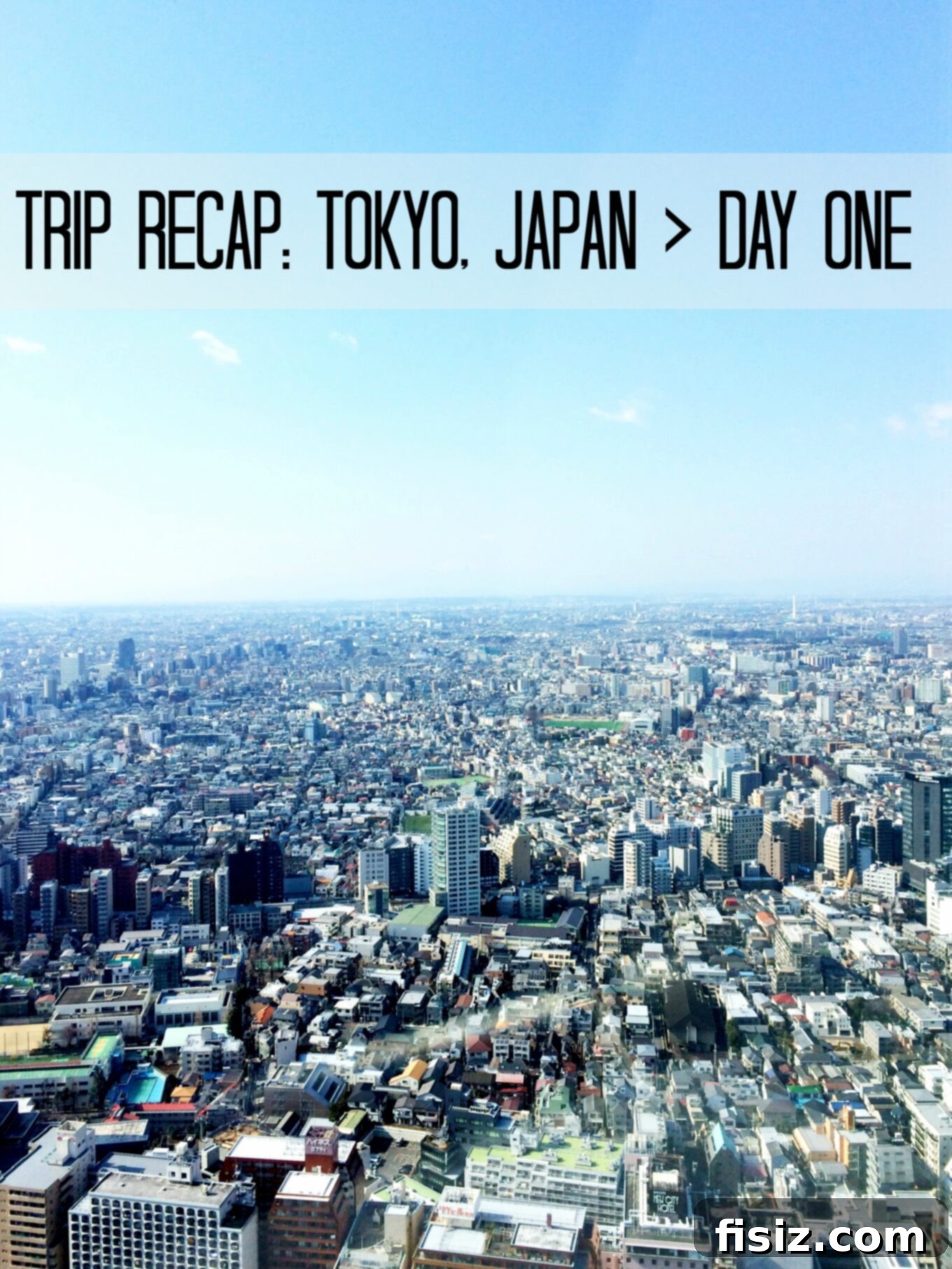
Our grand Tokyo adventure fittingly began at the Tokyo Metropolitan Government Building. Located conveniently across the street from our hotel, this skyscraper offers two free observation decks on its 45th floor. Our guide expertly used this vantage point to orient us, explaining how Tokyo is segmented into its distinct neighborhoods and offering invaluable suggestions for our trip. The panoramic views of the sprawling city below are simply spectacular, and on a clear day, you might even catch a glimpse of Mount Fuji in the distance. It’s an ideal starting point to get your bearings and appreciate the sheer scale of this magnificent city.
Meiji Jingu Shrine (Shibuya)
From the modern heights of Shinjuku, we journeyed to the tranquil serenity of Meiji Jingu Shrine, a spiritual oasis nestled amidst the bustling energy of Shibuya. This revered Shinto shrine is dedicated to the deified spirits of Emperor Meiji, the first emperor of modern Japan, and his wife, Empress Shoken. Their reign, from 1868 to 1912, marked a pivotal period of rapid modernization and Japan’s emergence as a global power.
Originally completed in 1920, the shrine was tragically destroyed during World War II bombings but was meticulously rebuilt with contributions from 100,000 trees donated from across Japan and around the world. As you walk along the gravel paths under the towering torii gates and through the dense forest, the urban sounds fade away, replaced by the peaceful rustle of leaves. Many Japanese still visit regularly to offer Shinto prayers, celebrate traditional weddings, and write their wishes on small wooden plaques called ’ema’ which are then hung at the shrine. Entry to the shrine grounds is free and open to the public, offering a profound glimpse into Japan’s spiritual heart.
Takeshita Street (Harajuku/Shibuya)
Just a short stroll from the tranquility of Meiji Jingu Shrine, you’ll find yourself plunged into a completely different world: Takeshita Street in Harajuku. This vibrant, pedestrian-only street is the epicenter of Tokyo’s youth culture and fashion. Lined with trendy boutiques, quirky shops, sweet crepe stands, and fast-food joints, it’s a sensory explosion of color, sound, and energy. Here, you’ll witness the latest avant-garde fashion trends, from gothic lolitas to vibrant street style. It’s a phenomenal spot for people-watching, offering an unfiltered view into the dynamic and often eccentric world of Japanese teenage fashion and entertainment. Be prepared for crowds, but embrace the lively atmosphere – it’s an experience unlike any other.
Imperial Palace (Central Tokyo/Marunouchi)
Our next stop was the Imperial Palace, the primary residence of the Emperor of Japan. This site is deeply rooted in Japanese history, dating back thousands of years. Before the imperial era, from 1603 to 1868, Tokyo was known as Edo and was ruled by the Tokugawa shogunate. Within the Imperial Palace East Gardens, visitors can still explore the remnants of Edo Castle, offering a tangible link to this fascinating period.
The palace grounds are surrounded by expansive moats and thick stone walls, creating a formidable yet beautiful barrier. One of the most picturesque features is the Chidorigafuchi Moat, especially renowned for its cherry blossom trees, which transform the area into a breathtaking spectacle during spring. While public access to the inner palace itself is restricted to protect the privacy of the Imperial Family, the surrounding East Gardens and the outer grounds are open to visitors and are exquisite in any season. Even in winter, the serene landscapes and historical architecture are captivating.
Asahi Beer Headquarters: An Architectural Landmark (Hanakawado/Asakusa)
En route to the historic district of Asakusa, we paused to admire a striking piece of modern architecture: the Asahi Beer Headquarters. This complex features two distinct and rather whimsical buildings. On the left stands the Asahi Beer Hall, a black building designed to resemble a giant glass of beer, complete with a foamy white roof. Next to it, the Super Dry Hall is famously shaped like a beer glass, topped with a distinctive golden flame-like structure. Designed by French architect Philippe Starck, this golden sculpture, affectionately dubbed “the golden turd” by locals, has become an iconic and much-debated landmark on Tokyo’s skyline. It’s a fun, quirky sight that highlights Tokyo’s penchant for unique architectural statements.
Senso-ji Temple: Tokyo’s Oldest Sacred Site (Asakusa)
Our journey through Tokyo’s past culminated at Senso-ji Temple in Asakusa, an utterly captivating and historically significant site. Founded in 628 AD, Senso-ji holds the distinction of being Tokyo’s oldest temple and remains one of its most visited. The approach to the temple is an experience in itself, beginning with the magnificent Kaminarimon (Thunder Gate), adorned with its iconic colossal red paper lantern and statues of the gods of wind and thunder.
Beyond the Kaminarimon, you enter Nakamise-dori, a bustling 250-meter-long pedestrian street lined with hundreds of traditional souvenir shops and vibrant street food stalls. This lively market has been serving pilgrims and tourists for centuries, offering everything from traditional crafts to delicious local snacks. After navigating the vibrant market, you arrive at the main temple hall, where visitors can pay their respects to the Buddhist or Shinto deities. Don’t miss the opportunity to try an ‘Omikuji’ fortune – a random fortune written on a piece of paper, offering a fun, traditional way to glimpse your destiny. Senso-ji is a profound blend of spiritual devotion, cultural heritage, and lively commerce, making it an essential Tokyo experience.
A Taste of Tokyo: Street Food Delights at Senso-ji Shrine
Nakamise-dori wasn’t just a passageway to the temple; it was our delicious introduction to traditional Japanese street food. This vibrant market offers an incredible array of savory and sweet treats. Beyond the ubiquitous crepes, you’ll find delights like okonomiyaki (savory pancakes), dango (sweet rice dumplings on a stick), choco banana, tomorokoshi (grilled corn), taiyaki (fish-shaped cakes filled with red bean paste), and shioyaki (salted, baked fish on a stick). We couldn’t resist trying Takoyaki – savory, ball-shaped pancakes filled with succulent octopus, generously topped with mayonnaise, ginger pickles, and dancing bonito flakes. Each bite was an explosion of unique flavors and textures, cementing our love for Japanese street cuisine.
Ending the Day with Authentic Ramen at Zundo-Ya (Shinjuku)
After a day filled with exploration, there’s no better way to recharge than with a steaming bowl of authentic Japanese ramen. Tokyo boasts countless ramen establishments, each with its unique take on this beloved dish. We chose Zundo-Ya’s in Shinjuku, a local favorite conveniently located within walking distance of our hotel. While considered a “mini-chain,” in Japan, even chain restaurant food often surpasses the quality of many fine dining establishments elsewhere. The ordering process at Zundo-Ya is a delightful ritual:
- Choose your protein: Tonkotsu Chashu (slow-roasted pork) is incredibly popular and highly recommended.
- Select your toppings: Options include nori (seaweed), a perfectly soft-boiled egg, crispy garlic chips, fresh scallions, or crunchy bean sprouts.
- Customize your noodles: Decide between thin or thick-cut noodles, then specify your preferred level of pork fatback, ranging from light to super rich.
I opted for the traditional bowl with all the fixings, paired with a giant Sapporo beer to perfectly complement the rich, savory broth. Each spoonful was a symphony of flavors, a testament to the meticulous craft behind Japanese cuisine. Trust me, once you taste authentic ramen, you’ll be craving it long after your trip ends!
Essential Tokyo Travel Tips & Information
To help you plan your own unforgettable Tokyo adventure, here are some practical tips and insights based on our experience:
Accommodation & Tours
- Hotel Quarters (Shinjuku): We stayed at the Keio Plaza Hotel. This expansive hotel, divided into two towers, offers adequately sized and reasonably priced rooms compared to many other Japanese hotels in the area. A convenient 7-Eleven downstairs provides an ATM and a wide range of essentials. A fantastic perk was the complimentary breakfast coupons for either American or Japanese buffet options – starting your day with Japanese fried chicken and coffee is surprisingly delightful!
- Guide Service: Inside Japan Tours proved to be an exceptional choice. With a headquarters in Tokyo, they offer invaluable support throughout your trip. They even provide a pre-filled JR card (transit pass) which made navigating the extensive train system incredibly seamless. They also offer other fascinating half-day tours, such as a Fish Market with Sushi Making Class and an Izakaya Food Tour, perfect for deeper cultural immersion.
Random but Crucial Tips for Your Tokyo Trip
- Get a JR Card: Investing in a JR (Japan Rail) pass or at least a prepaid IC card (like Suica or Pasmo, which Inside Japan Tours provided) is highly recommended. It covers almost all trains in Japan, making public transportation effortless. We loaded 2500 JPY for three full days and still had some left over.
- Check-in/Check-out Times: Be prepared for strict check-in and check-out times at hotels. Check-in is typically at 2 PM, and check-out is promptly at 11 AM. If you anticipate an early arrival, contact your hotel at least a week in advance to make arrangements.
- The Art of Queuing: Japan is renowned for its orderly queuing culture. Expect lines for everything – restaurants, attractions, even public restrooms. Always look for the end of the line and ask if you’re “queuing” (lining up) to ensure you’re in the correct spot.
- No Tipping: Tipping is not customary in Japan and can even be considered offensive. The excellent service you receive is simply part of their culture.
- Cash-Oriented Society: Despite its technological advancements, Japan remains a largely cash-based society. While credit cards are accepted in major stores and hotels, many smaller shops, restaurants, and street vendors prefer or only accept cash. The easiest place to withdraw cash is at a 7-Eleven ATM, which are ubiquitous and generally international-friendly.
- Airport Transfers: If you fly into Narita International Airport (NRT), Japan’s largest international gateway, be aware that it’s about a 90-minute train ride or private transfer from downtown Tokyo. However, if your flight arrives at Haneda Airport (HND), you’re only a convenient 20-minute ride away from the city center. Plan your airport arrival accordingly.
Our first day in Tokyo was an incredible introduction to this mesmerizing city. From historical landmarks to vibrant street life and delectable cuisine, it was an experience that ignited a lifelong love for Japan. Stay tuned for Day Two, where we’ll dive into the famous Tsukiji Fish Market, explore the upscale shopping district of Ginza, and even try our hand at sushi making!