
Exploring History’s Depths: A Journey Through the National World War I Museum and Memorial in Kansas City
As an avid history enthusiast, few experiences rival the profound immersion offered by a world-class historical institution. During a recent holiday break, my parents, Mr. B, and I found ourselves in Kansas City, a city with a hidden gem that beckoned to my historical inclinations. Surprisingly, when discussing local attractions, everyone in our group admitted they had never visited the National World War I Museum and Memorial. For me, the decision was instantaneous and non-negotiable; this was an absolute must-see, promising an unforgettable journey into a pivotal era that often receives less attention than its successor.
The Majestic Liberty Memorial: A Beacon of Remembrance
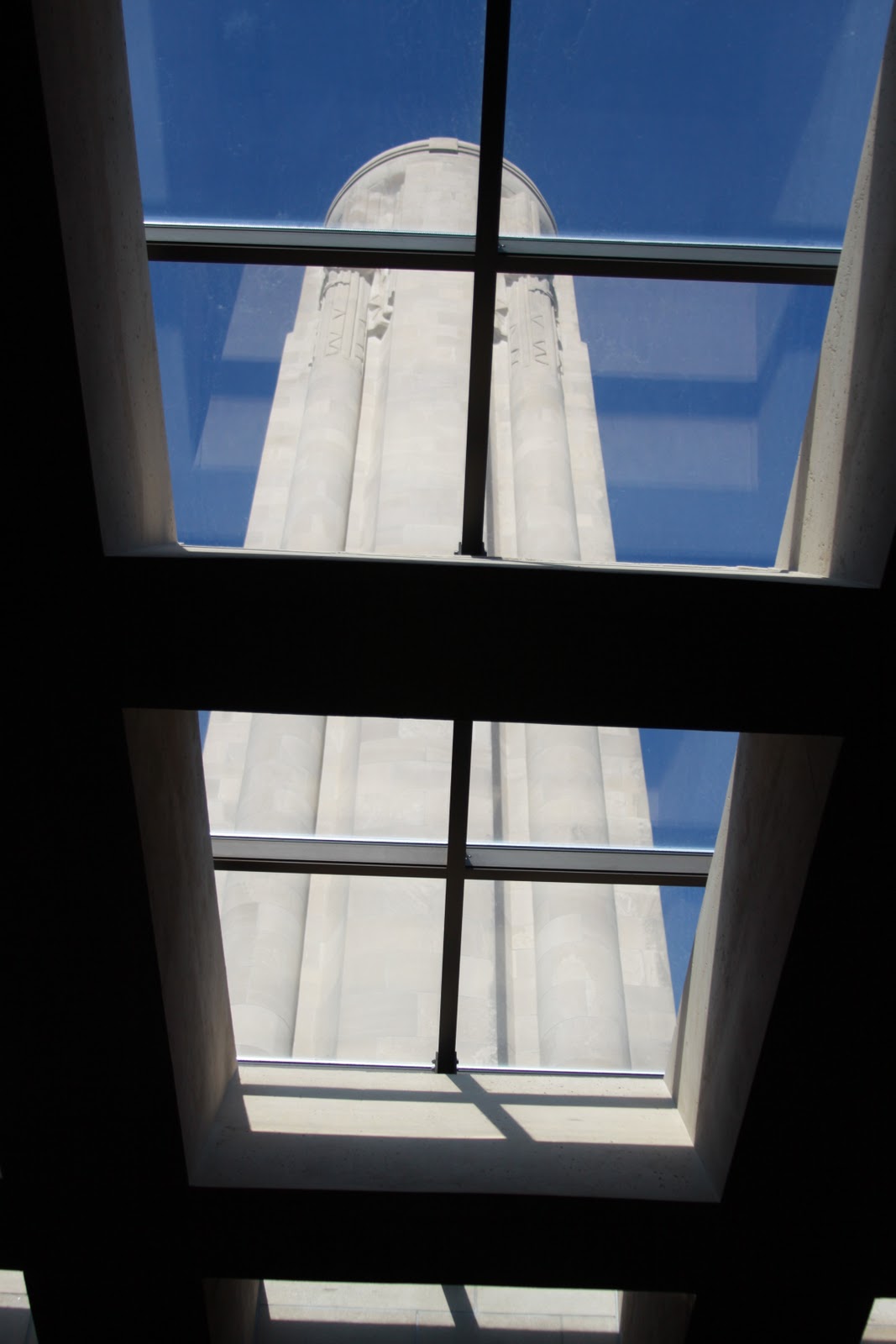
Our visit began at the iconic Liberty Memorial, a structure that immediately commands attention and respect. Its sheer architectural presence is captivating, a silent testament to the immense sacrifices made during the Great War. Standing on its expansive cement steps, gazing out over the sprawling green fields towards the vibrant downtown Kansas City skyline, one cannot help but feel a profound sense of camaraderie and appreciation. The monument serves as more than just a landmark; it’s a powerful emotional anchor, connecting visitors directly to the stories of courage, resilience, and ultimate sacrifice that define our nation’s veterans and their contributions to global peace.
The memorial, with its towering obelisk and guardian sphinxes, is not merely an edifice but a living symbol. It evokes a solemn reflection on the past while simultaneously inspiring gratitude for the freedoms it represents. The panoramic views from its summit are breathtaking, offering a unique perspective of the city that underscores the memorial’s prominence and its role as a national monument of remembrance. It’s a place where history resonates with every breeze, encouraging contemplation on the human cost of conflict and the enduring spirit of those who served.

An Immersive Journey: The Museum’s Poignant Entrance
The museum itself is an architectural marvel, thoughtfully laid out in a circular design that guides visitors through the chronological unfolding of the war. The journey begins with a particularly poignant and immersive experience: walking over a vast glass floor, beneath which lies an expansive field of symbolic red poppies. This striking visual immediately connects visitors to the iconic imagery of Flanders Fields, where millions of poppies bloomed amidst the battle-scarred landscapes, serving as a powerful symbol of remembrance and the lives lost. This initial encounter is not just an exhibit; it’s an emotional preface, setting a solemn yet educational tone for the history lessons that lie ahead.


The Dawn of Devastation: 1914 to 1917
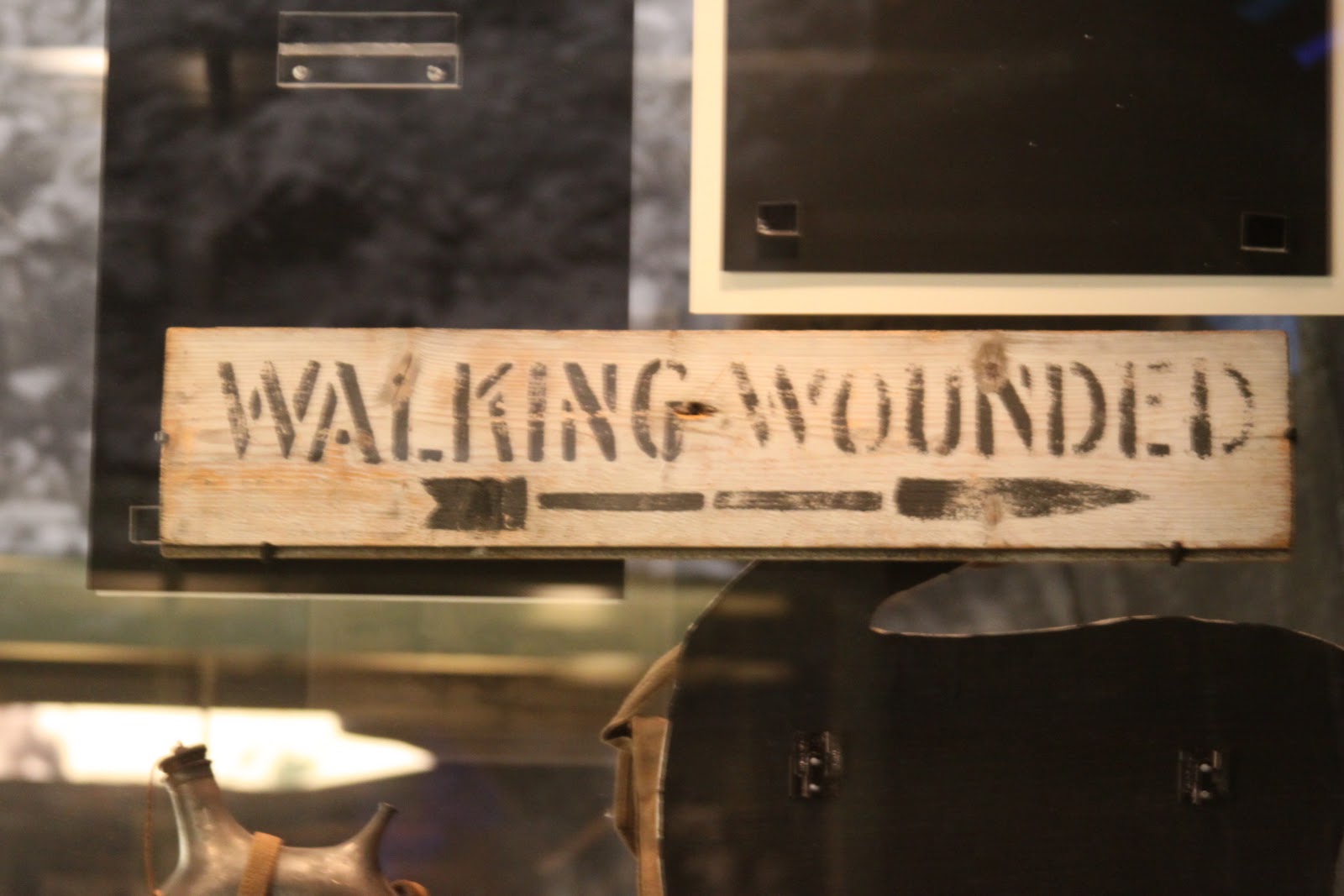
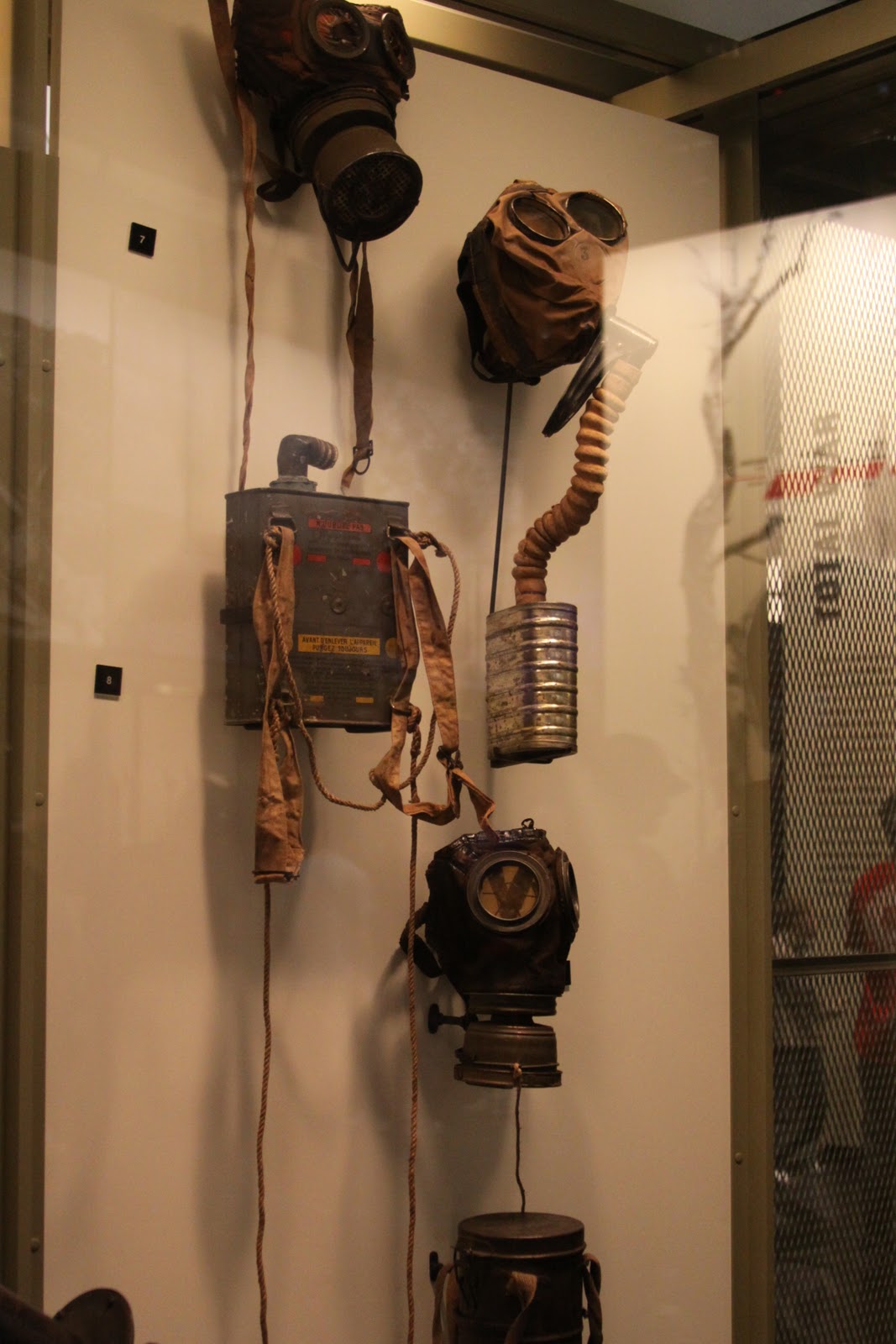
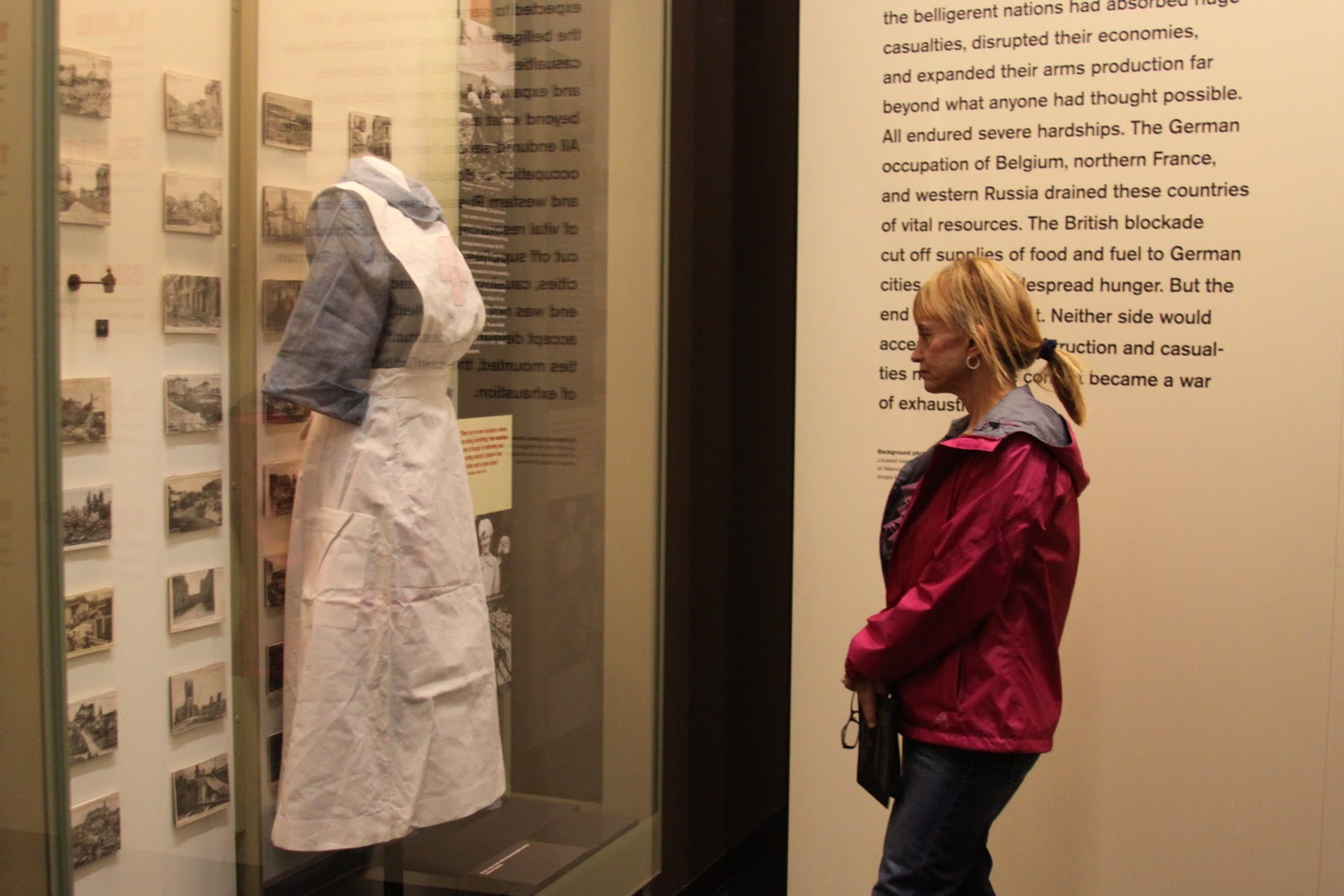
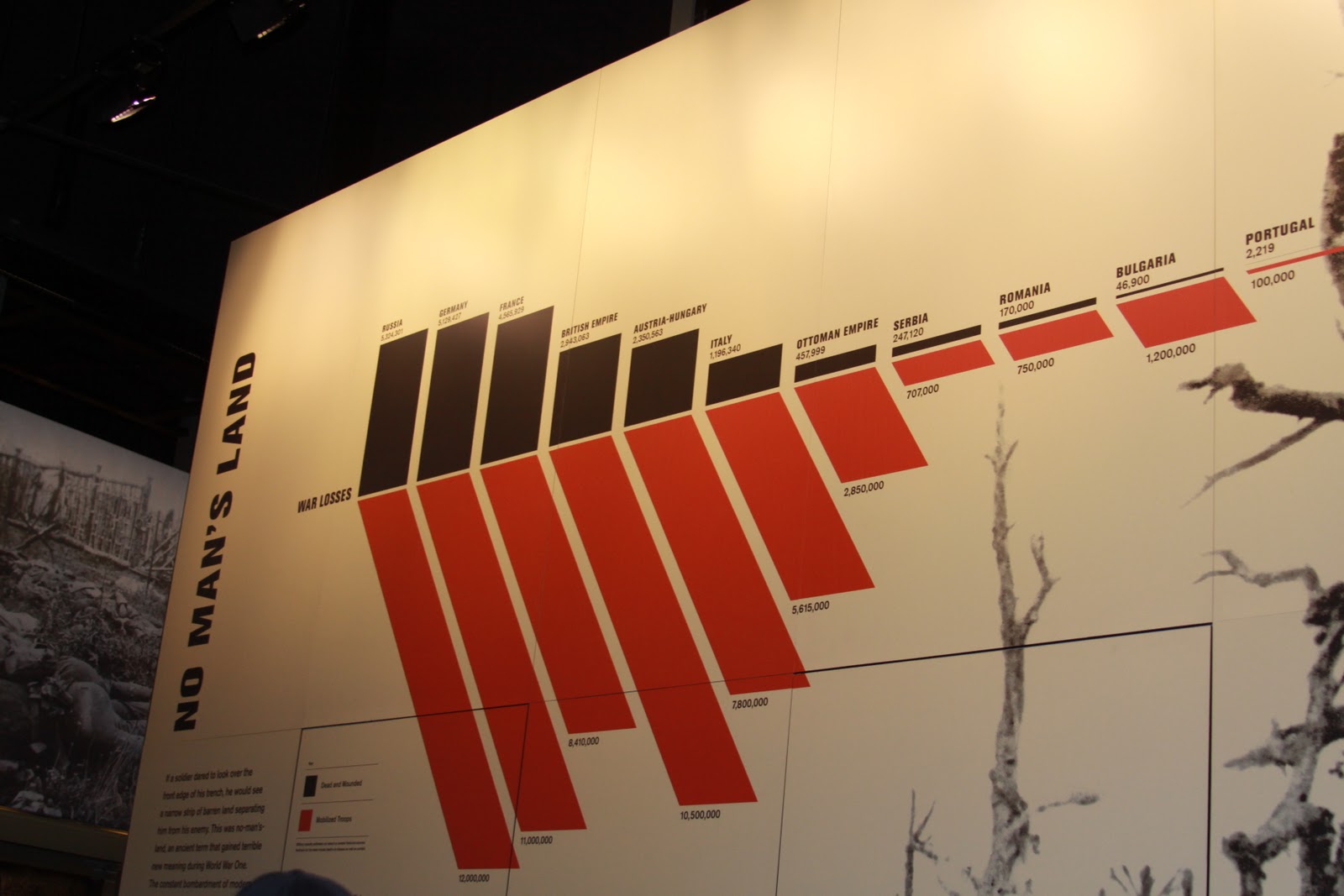
After a brief but informative introductory video that masterfully sets the historical context, visitors are led into the first major exhibition room. This section meticulously details the initial phase of the war, spanning from 1914 to 1917. Here, a comprehensive collection of artifacts, evocative photographs, original battlefield drawings, and authentic period clothing are displayed, offering a visceral glimpse into the daily lives of soldiers and civilians alike during the conflict’s early years.
The museum skillfully explains that the genesis of the First World War was not a singular event but a complex confluence of interconnected factors. The early 20th century was a period of dramatic global transformation. Nationalism, a fervent belief in the superiority and self-determination of one’s own nation, was a newly solidified ideology for many countries, fueling intense rivalries and territorial ambitions. Simultaneously, the world was undergoing a profound shift from predominantly agrarian societies to an urbanized landscape characterized by sprawling cities, rows of industrial housing, and burgeoning factories. Innovations like the railroad and the mass-produced Model-T had put people and goods on the move, fostering emerging global markets and intensifying competition for resources and influence.
Leaders from various nations, driven by a thirst for power and wealth in this rapidly evolving “new world,” found themselves entangled in a dangerous web of alliances and military build-ups. This intricate geopolitical landscape created a volatile atmosphere, leading to what historians often describe as a “powder keg” awaiting a spark. The assassination of Archduke Franz Ferdinand of Austria-Hungary by a Serbian nationalist group known as the Black Hand provided that fateful ignition. This singular act set off a devastating chain reaction across Europe, causing the intricate system of pre-existing treaties and alliances to unravel at an alarming speed. Austria-Hungary declared war on Serbia, Germany invaded Belgium and France, and soon, Russia and Britain declared war on Germany. Europe was plunged into an unprecedented state of chaos, marking the beginning of the Great War.
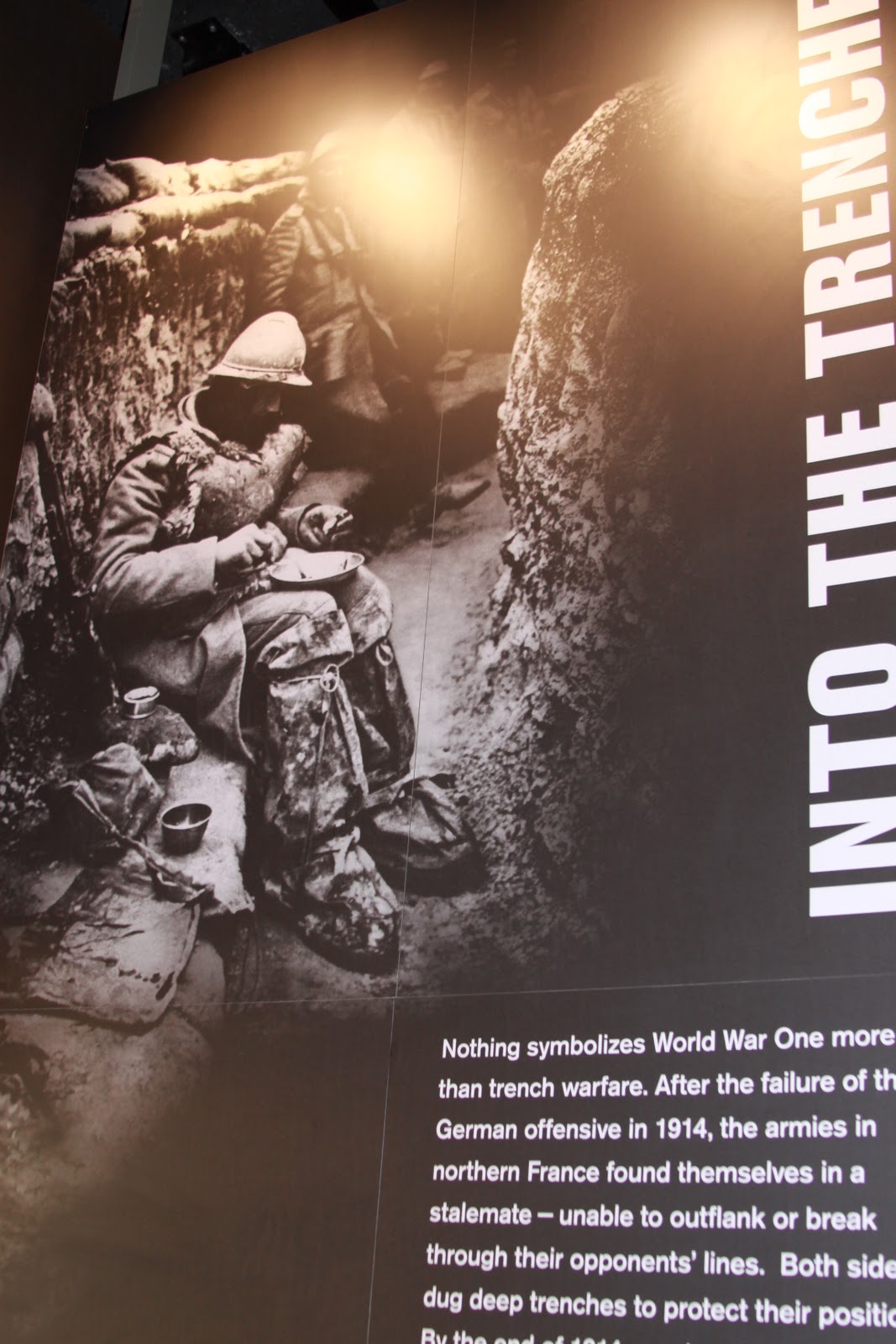
Initially, most countries optimistically believed the war would be a swift affair, over within a matter of months. However, the grim reality that awaited the soldiers was far more brutal and protracted than anyone could have imagined. They soon found themselves entrenched in a new form of warfare, living for years in thirty-foot-deep, mud-filled trenches, enduring unimaginable conditions. The introduction of terrifying new technologies like chemical weapons, such as mustard gas, and the relentless efficiency of machine guns transformed battlefields into landscapes of unimaginable horror. Death became an ever-present companion, often swift and indiscriminate. The face of war had indeed changed irrevocably; it was no longer human, but a mechanized, dehumanizing force of destruction.



America Enters the Fray: 1917 to 1918
After completing the comprehensive display section detailing the first part of the war, visitors are led into another impactful video presentation. This segment vividly sets the stage for the dramatic circumstances that led to the United States’ entry into the global conflict, marking a pivotal shift in the war’s trajectory.
The period between 1917 and 1918 saw significant changes on the world stage. Russia, reeling from immense economic depression and internal political upheaval, was forced to withdraw from the war, signing a separate peace treaty with the Central Powers. This created a new dynamic, allowing the German and Ottoman Empires to consolidate power and posing an increasingly formidable threat to the beleaguered Allied Forces.
It’s a common oversight, even for many Americans, to forget the initial three years of World War I, during which the United States maintained a policy of strict neutrality. For a long time, the conflict was perceived primarily as a “European war,” far removed from American interests and concerns. Public sentiment largely favored isolationism, questioning why the U.S. should entangle itself in distant European squabbles.
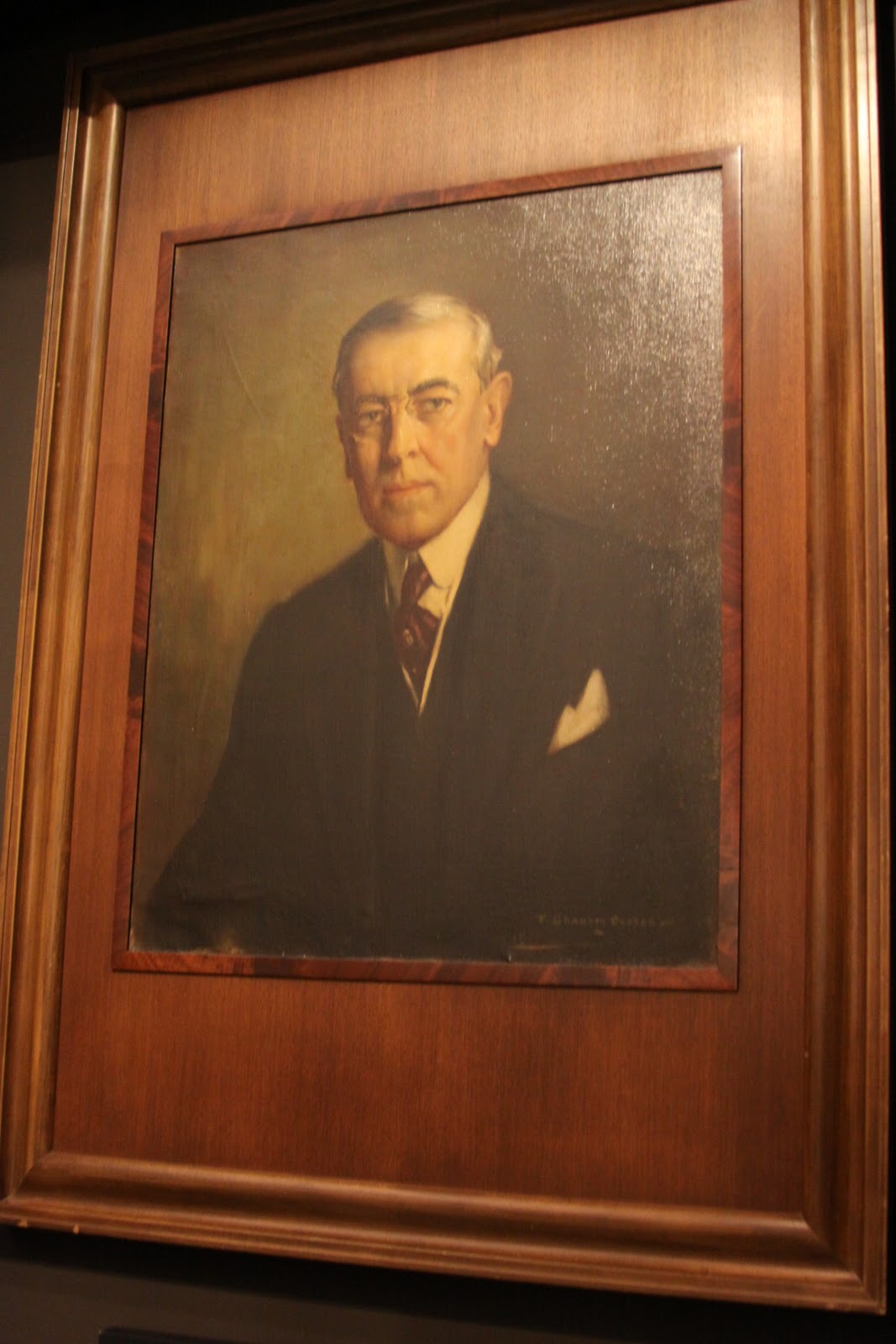
However, several critical events gradually eroded this stance of neutrality. The German policy of unrestricted submarine warfare, which led to the sinking of American merchant ships and even passenger liners like the Lusitania (though the U.S. didn’t enter immediately, it fueled anti-German sentiment), was a major provocation. The final catalysts for American intervention came in early 1917: the interception and deciphering of the Zimmermann Telegram, a secret diplomatic communication from Germany proposing a military alliance with Mexico against the United States, sent shockwaves across the nation. Coupled with growing concerns about the safety of American shipping and the increasingly vocal advocacy from various immigrant groups for their homelands, President Woodrow Wilson’s hand was forced. On April 6, 1917, he declared war on Germany, forever altering the course of the conflict and America’s role in global affairs.



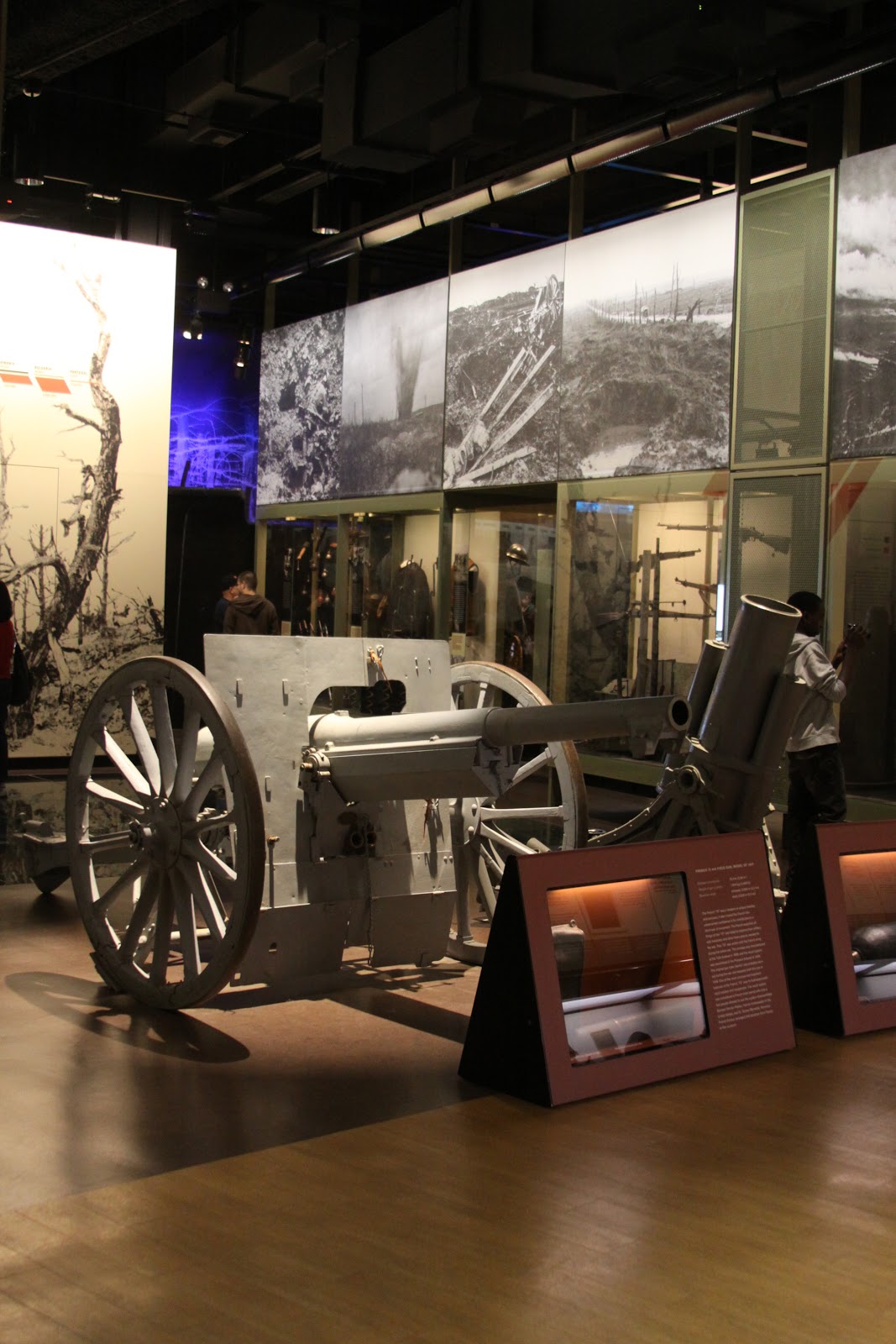
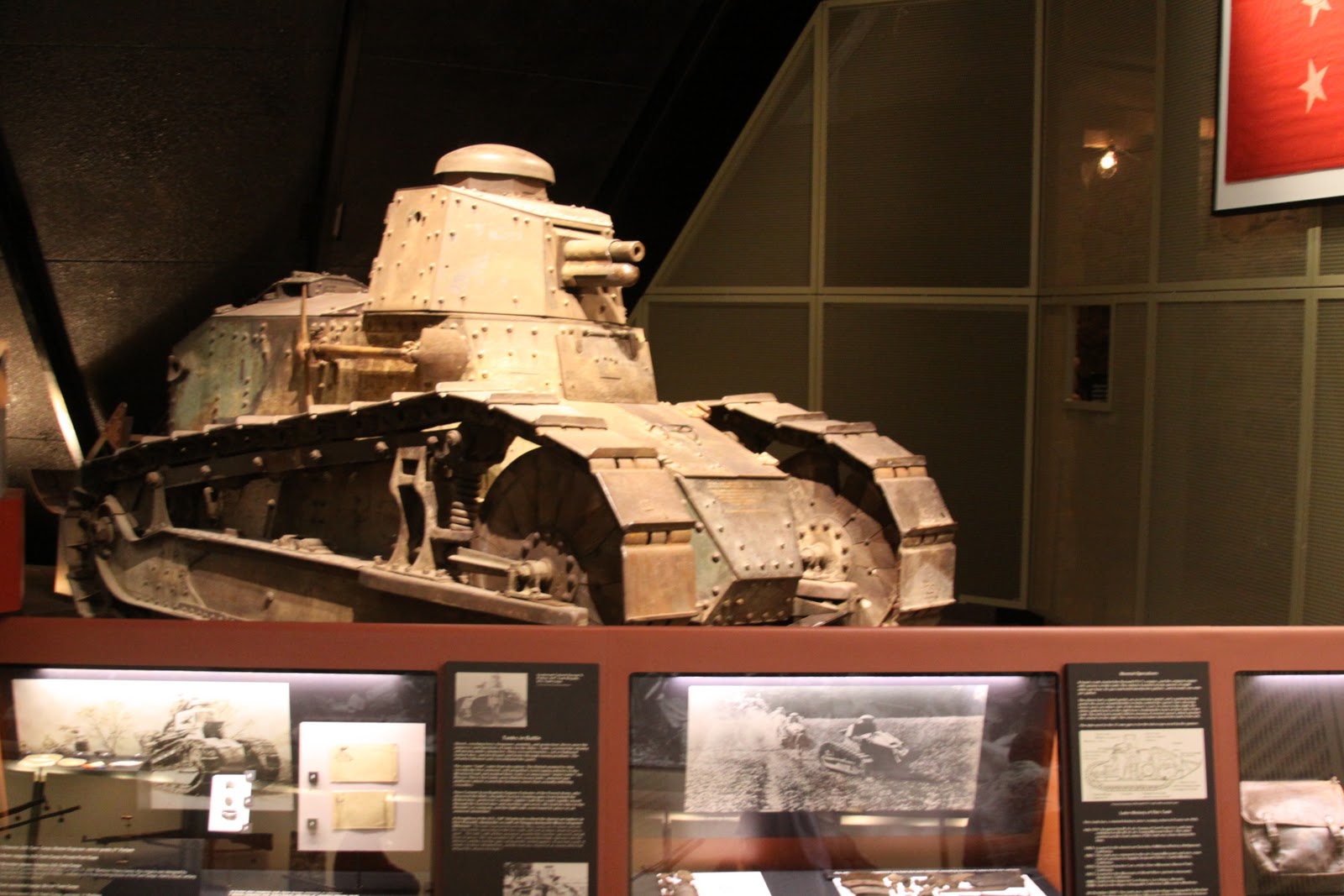
The second display room was particularly intriguing and, I must admit, felt even more thrilling because it highlighted the monumental role of the United States in the war. The U.S. embarked on an unprecedented mobilization effort, drafting over 2.8 million men and deploying approximately 10,000 fresh troops to France every single day for nine consecutive months. This incredible influx of manpower and resources, spearheaded by the American Expeditionary Forces (AEF), proved to be a decisive factor.
The German-Ottoman Powers, already exhausted and depleted by years of intense fighting, simply could not match the vigor and fresh resolve of the newly arriving American troops. With Britain and France still staunchly holding their lines on the Western Front, the fate of the Central Powers became inevitable. The relentless pressure from the combined Allied forces ultimately broke their will to fight.
The Great War officially concluded on November 11, 1918, a day forever commemorated as Armistice Day. Across Europe, the cessation of hostilities brought immense relief but also revealed a continent in utter shambles. Vast territories had been lost and gained, national borders were redrawn, and entire cities lay in ruins, bearing the scars of years of brutal conflict.
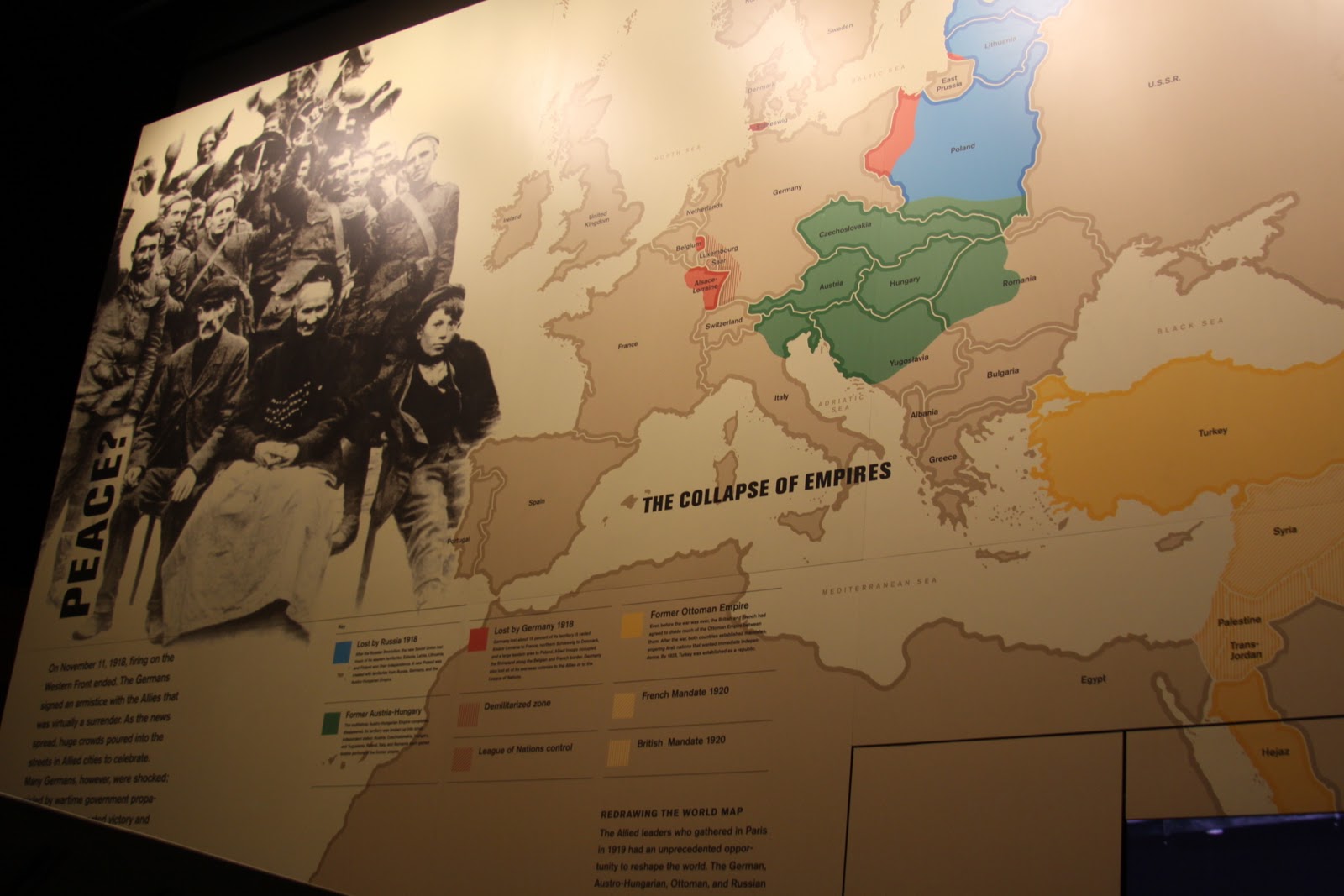
Five years after the assassination of Archduke Franz Ferdinand, the Treaty of Versailles was signed, formally ending the war. At this historic treaty, Germany was compelled to accept full responsibility for initiating the war and was subjected to harsh terms, including significant territorial concessions and substantial reparations payments to various Allied countries. The treaty, though intended to secure lasting peace, instead sowed seeds of resentment and instability that would have profound implications for the coming decades.
As the dust settled, America emerged from the conflict as a formidable global superpower, having played a crucial role in securing Allied victory and forever shifting the balance of international power. The world breathed a collective sigh of relief, optimistically believing that a new era of peace had finally dawned.
However, history, as we know, has a tragic way of repeating itself when underlying issues remain unresolved. Little did anyone know then that a failed German artist, who had served as a corporal and ran correspondence during the war, would soon rise to power amidst the economic and social turmoil of post-war Europe. His ascent would ignite another, even more devastating global conflict, turning the world upside down once again and proving that the “war to end all wars” was, sadly, just the first act in a century of turmoil.
A Must-Visit: Why the National World War I Museum Matters
If you have not yet had the opportunity to visit the National World War I Museum and Memorial, I cannot recommend it highly enough. This institution stands as a crucial monument to a pivotal point in our history, an era that, despite its profound global impact, often gets overlooked in public discourse. The museum does an absolutely marvelous job of bringing this complex period to life through its exceptional layout, compelling personal stories, and meticulous documentation.
From the moment you step onto the Liberty Memorial grounds to the final poignant exhibits, the museum offers an educational and deeply moving experience. It masterfully conveys the global scale of the conflict, the human cost, and the enduring legacy of the Great War, all while preserving the narratives of those who lived through it. Kansas City has truly created a world-class historical attraction that is both informative and incredibly impactful.
The National World War I Museum and Memorial is more than just a collection of artifacts; it’s a profound journey through a defining chapter of human history, delivered with clarity, dignity, and unflinching honesty. It’s an essential visit for anyone seeking to understand the origins of the modern world and the enduring lessons of conflict and peace. Definitely two thumbs up!