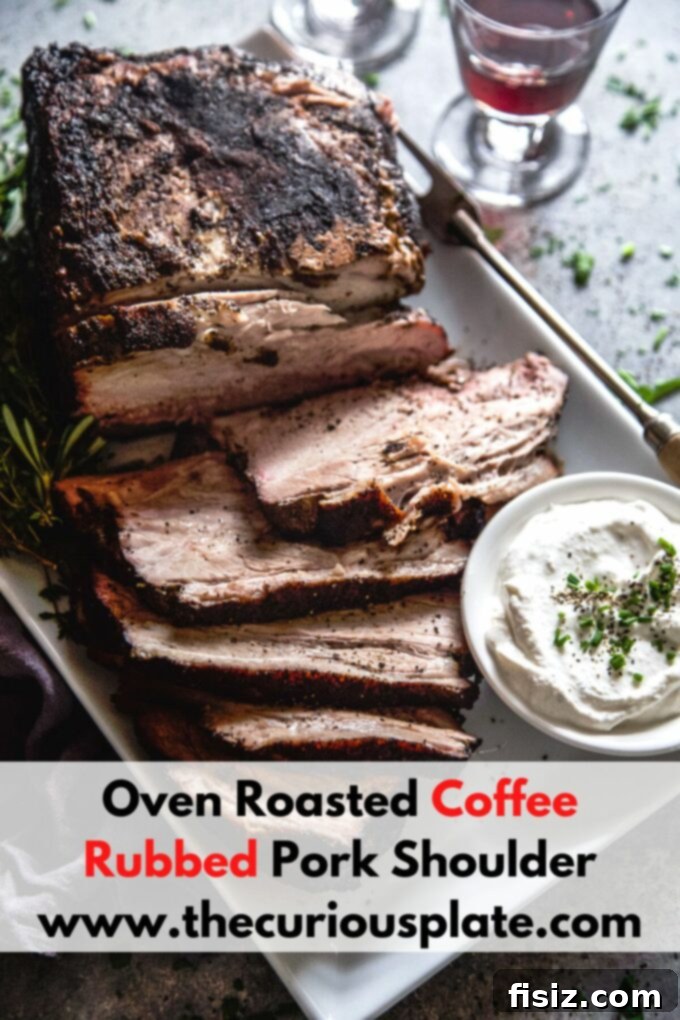
Unforgettable Flavor: The Ultimate Oven Roasted Coffee-Rubbed Pork Shoulder
Prepare your taste buds for an extraordinary culinary experience! This Oven Roasted Coffee-Rubbed Pork Shoulder is a true revelation, featuring a unique coffee rub that transforms a simple cut of meat into an unbelievably flavorful, moist, and tender masterpiece. You read that right—coffee is the secret ingredient, and it’s guaranteed to elevate your roasting game to an entirely new level. Despite its sophisticated taste, this dish requires just a handful of ingredients and the magic of a Dutch oven. The coffee-crusted pork is seared to perfection, then slow-roasted for hours, resulting in that coveted fall-off-the-bone tenderness that will have everyone clamoring for more. Get ready to impress with this surprisingly easy, yet incredibly delicious, recipe!
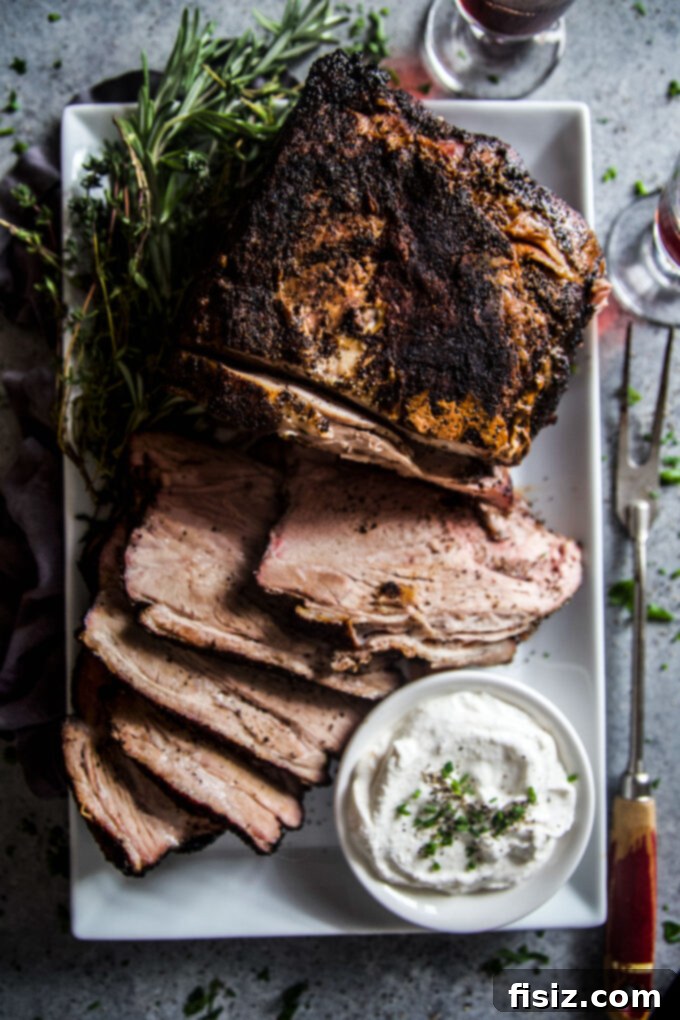
The Secret Ingredient: Why Coffee Rub Elevates Your Meats
While coffee is a beloved morning beverage and a common flavoring for desserts, its application in savory dishes, particularly as a meat rub, might seem unconventional to some. However, once you experience the incredible depth of flavor and tender texture it imparts, you’ll wonder why you haven’t tried it sooner. Breaking out of your culinary comfort zone to embrace coffee as a dry rub is a decision your palate will thank you for. Here’s a closer look at the remarkable benefits of using coffee in your meat rubs:
- Unlocking a Deeper, Earthy Flavor Profile: Forget any concerns about your pork tasting like a cup of java! The beauty of coffee as a rub lies in its ability to enhance, not overpower. Instead of imparting a distinct coffee flavor, it acts as a flavor amplifier, intensifying the natural savoriness and umami notes of the pork. Think of it like adding a pinch of cocoa to a chocolate cake—it deepens the chocolate flavor without making it taste like raw cocoa. Coffee grounds introduce a subtle, earthy richness and a slight bitterness that beautifully complements the inherent sweetness of pork, creating a complex and irresistible taste that is truly unique. Different roasts can also lend various nuances; a dark roast will contribute a smoky depth, while a medium roast might offer more subtle, fruity undertones.
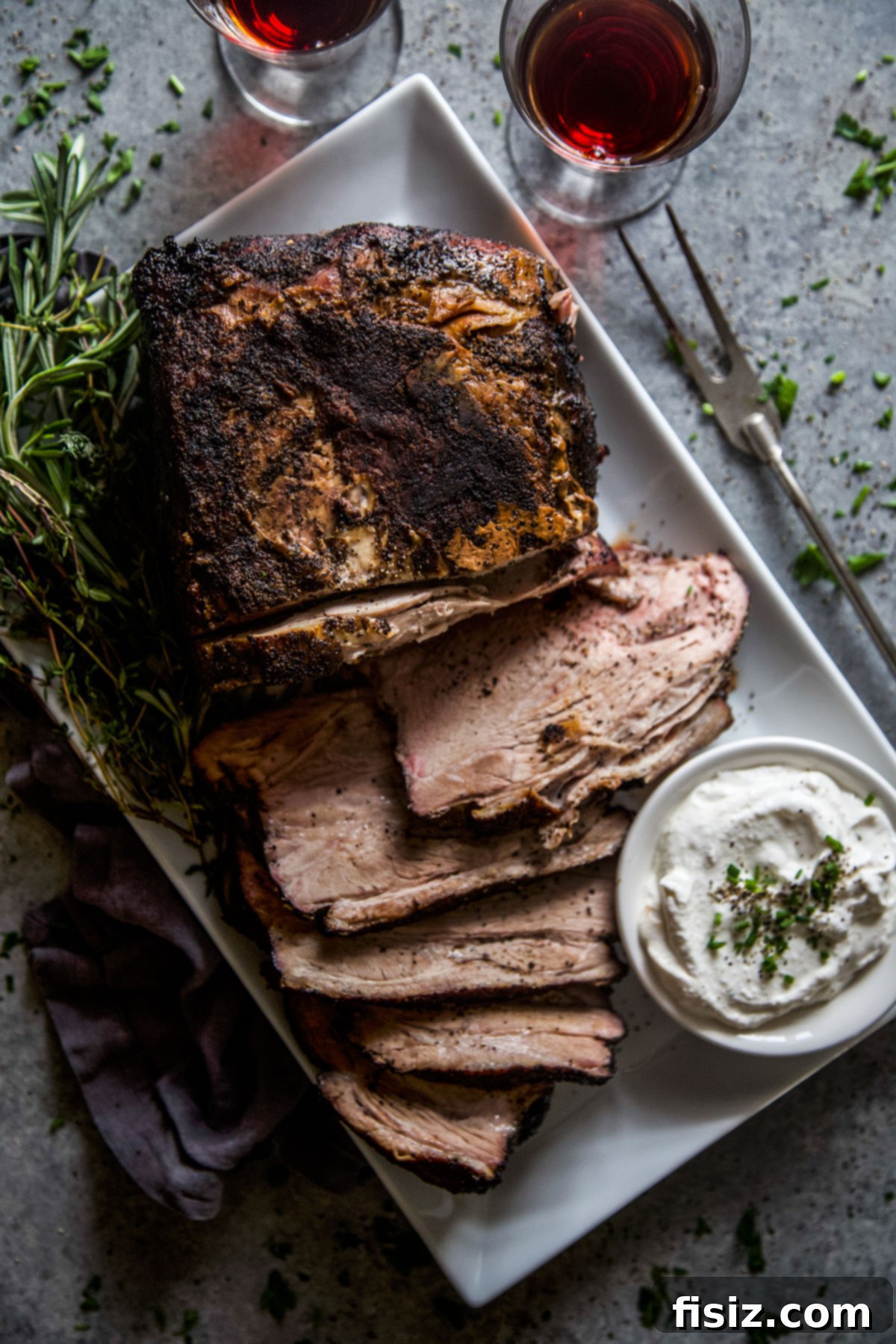
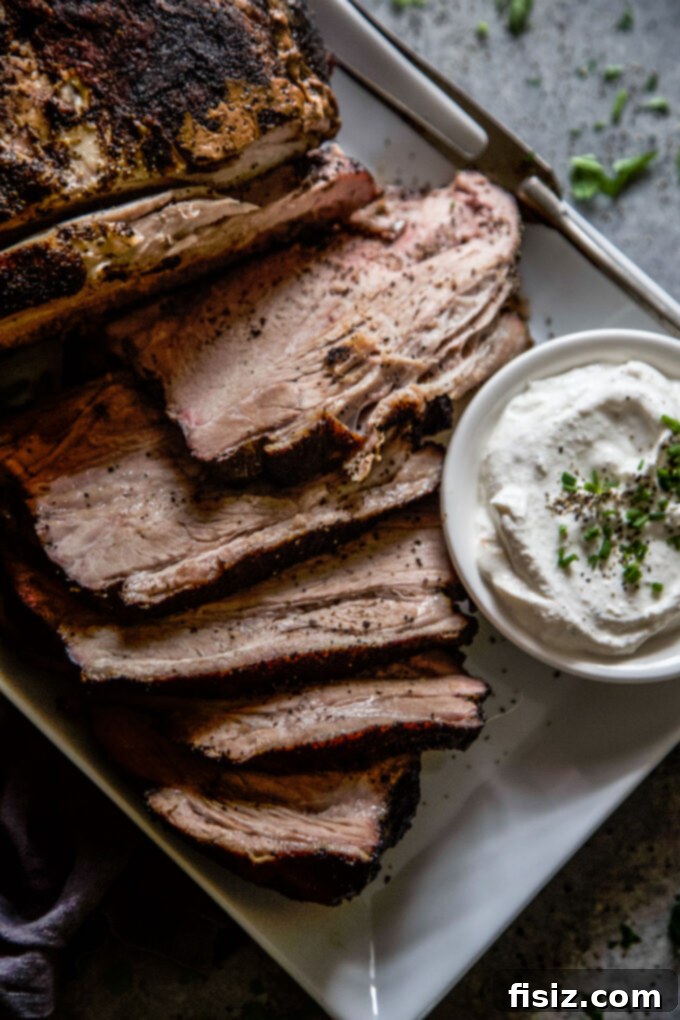
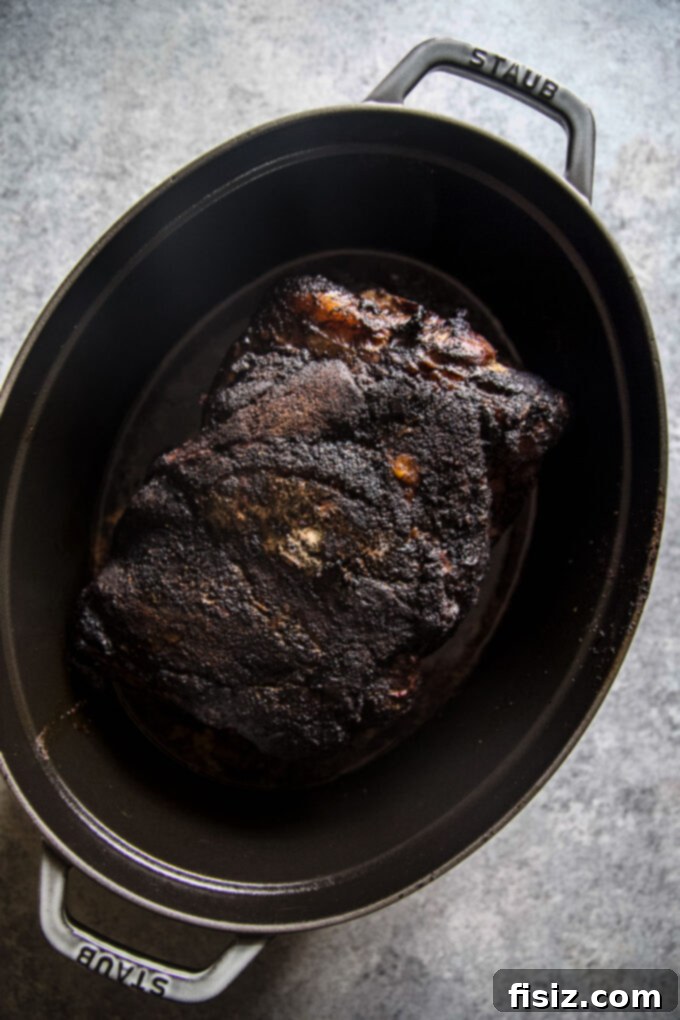
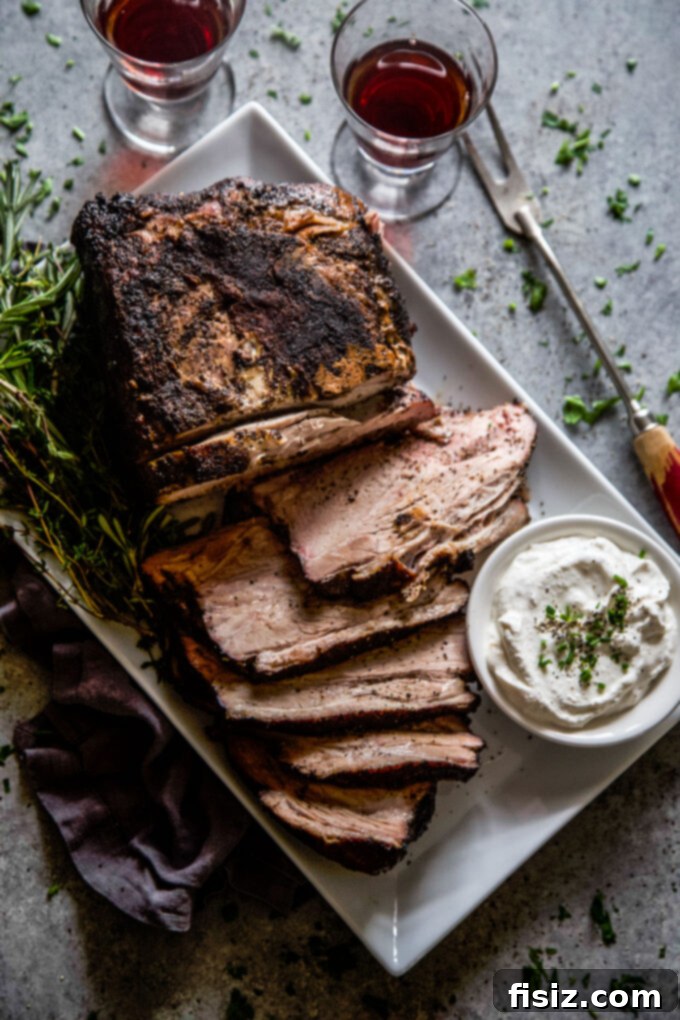
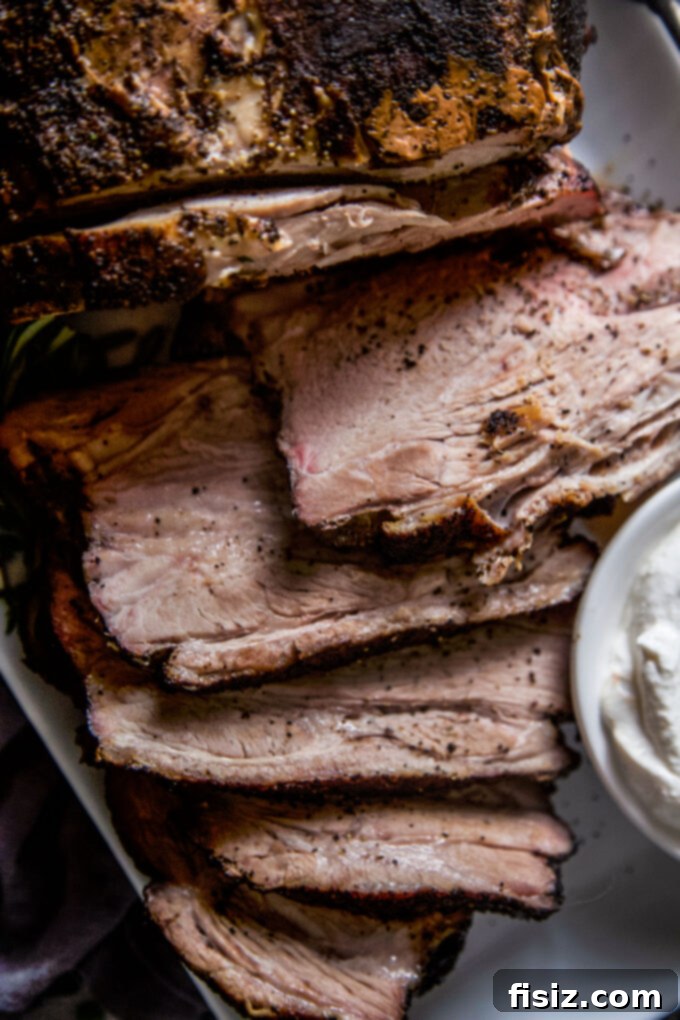
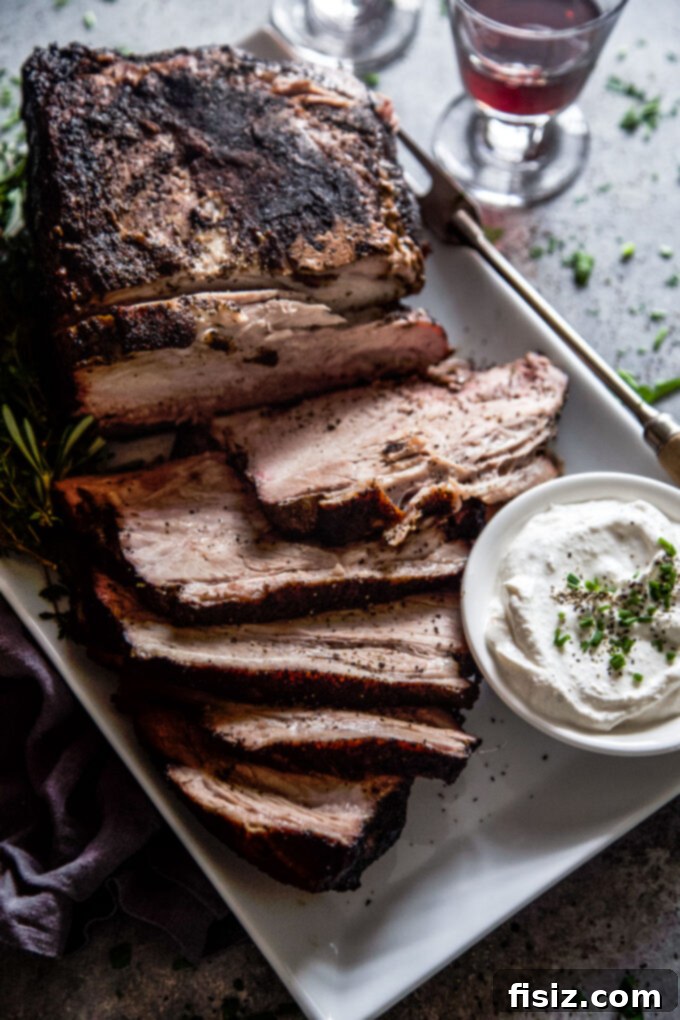
- A Natural Tenderizer for Succulent Results: Most coffee varieties are naturally acidic, and this acidity makes them an excellent meat tenderizer. The mild acids in coffee help to break down the tough muscle fibers in pork shoulder, resulting in exceptionally tender meat that practically melts in your mouth. This enzymatic action is similar to how marinades work, ensuring that even a typically firm cut like pork shoulder becomes incredibly soft and juicy after hours of slow roasting. The visual evidence in the accompanying photos speaks volumes about the undeniable effectiveness of this natural tenderizing process!
- Crafting a Delightful, Flavorful Crust: Beyond its tenderizing and flavor-enhancing properties, coffee grounds contribute significantly to the aesthetic and textural appeal of the roasted pork. When seared and roasted, the coffee forms a gorgeous, dark, and crunchy crust that is visually stunning and texturally satisfying. This crust isn’t just for show; it’s packed with flavor. The coffee grounds, along with the other seasonings in the rub, undergo the Maillard reaction—a chemical process responsible for creating those rich, complex flavors and aromas in browned food. The natural bitterness of the coffee grounds balances the sweetness of caramelized brown sugar, while simultaneously highlighting the vibrant kick from cayenne pepper. This creates a multi-layered crust experience that is both savory, slightly sweet, and wonderfully aromatic.
Essential Ingredients for a Mouthwatering Coffee-Rubbed Pork
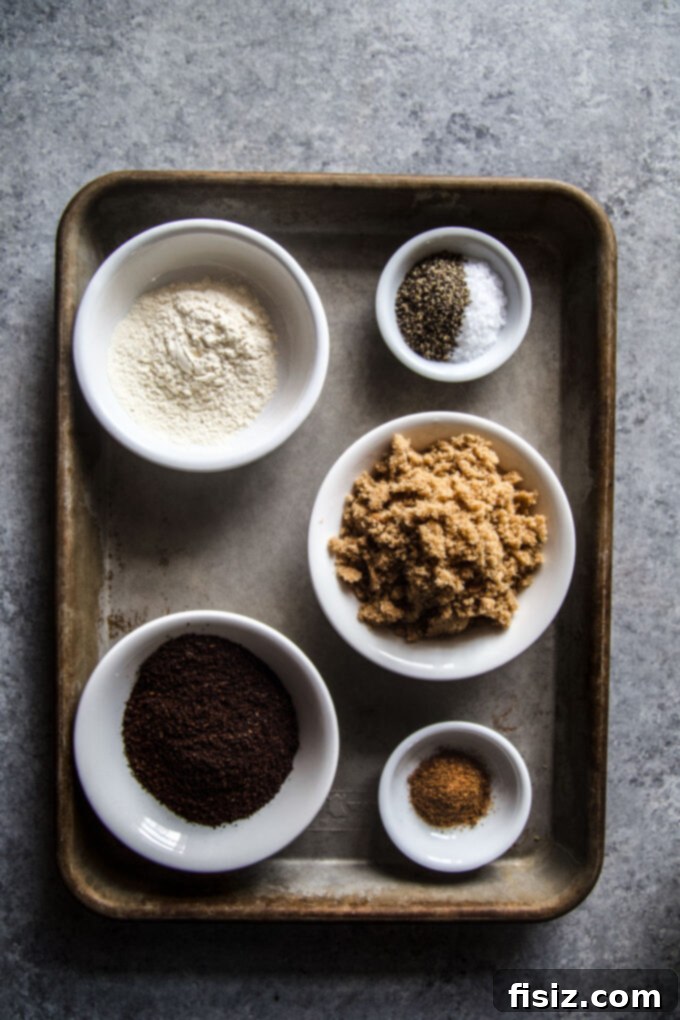
One of the many appealing aspects of this recipe is its straightforward ingredient list. You don’t need a pantry full of exotic spices to create a show-stopping meal. A few carefully selected seasonings and staples are all it takes to achieve a dish so flavorful it will impress even the most discerning palates. Here’s a detailed look at what you’ll need to prepare this exceptional oven-roasted pork shoulder:
- Pork Shoulder or Pork Butt: The foundation of our dish. Both pork shoulder and pork butt (which is actually part of the shoulder, higher up on the hog) are ideal for slow roasting due to their excellent fat marbling and connective tissue, which break down beautifully over long cooking times. For the juiciest and most tender results, we highly recommend opting for a bone-in cut. The bone not only adds more flavor to the meat as it cooks but also helps distribute heat evenly, contributing to a more succulent final product.
- Coffee Grounds: This is the star of our rub! While you can use any brand, investing in a good quality coffee will genuinely make a noticeable difference in the final flavor profile. Avoid instant coffee. Freshly ground coffee, whether a medium or dark roast, will offer the best aroma and taste. For those who enjoy a more pronounced texture in their crust, choose a coarser grind. A finer grind will create a smoother, more uniform crust.
- Brown Sugar: A crucial component that provides a delightful caramel-y sweetness, which perfectly balances the slight bitterness of the coffee. Brown sugar also aids in creating that beautiful, dark, and crispy crust during searing and roasting. If brown sugar isn’t available, coconut sugar makes an excellent substitute, offering a similar depth of flavor. White granulated sugar can also be used in a pinch, though it might result in a slightly less complex caramelized flavor.
- Savory Seasonings (Garlic Powder, Cayenne Pepper, Kosher Salt, Freshly Ground Black Pepper): These classic seasonings are indispensable for building a robust flavor base.
- Garlic Powder: Provides a deep, aromatic garlic flavor without the moisture of fresh garlic, which is ideal for a dry rub.
- Cayenne Pepper: Adds a subtle, warming heat that complements the richness of the pork and the earthiness of the coffee. Adjust the amount to suit your spice preference.
- Kosher Salt: Essential for seasoning the meat thoroughly and drawing out moisture, contributing to a crispier crust.
- Freshly Ground Black Pepper: Offers a sharp, pungent bite that enhances all the other flavors in the rub.
- Beef Broth: While water can be used for simmering, beef broth is highly recommended as it infuses an additional layer of savory depth and richness into the meat during the roasting process. The umami from the beef broth significantly enhances the overall flavor. For a lighter alternative, or if you prefer a different flavor profile, chicken or vegetable broth can be used instead.
- Olive Oil: Used for searing the pork shoulder before roasting. Olive oil provides a good high-heat cooking medium to achieve that crucial initial browning and crust development. You can certainly substitute with other high-smoke-point oils you have on hand, such as avocado oil, canola oil, or vegetable oil.
How to Master the Oven Roasted Coffee-Rubbed Pork Shoulder
While this recipe yields a dish that tastes like it took all day to prepare, the actual hands-on time is surprisingly minimal—only about 10 minutes of active work! The process involves a simple dry rub, a quick sear, and then allowing your oven to work its slow-cooking magic. An added bonus? Cleanup is a breeze, typically requiring only a small bowl for the rub, a frying pan for searing (if not using the Dutch oven directly), and your trusty Dutch oven. Follow these steps for a perfectly tender and flavorful roast:
Preparation:
- Preheat your oven to a robust 425°F (220°C). This initial high temperature is crucial for the searing step.
Step-by-Step Instructions:
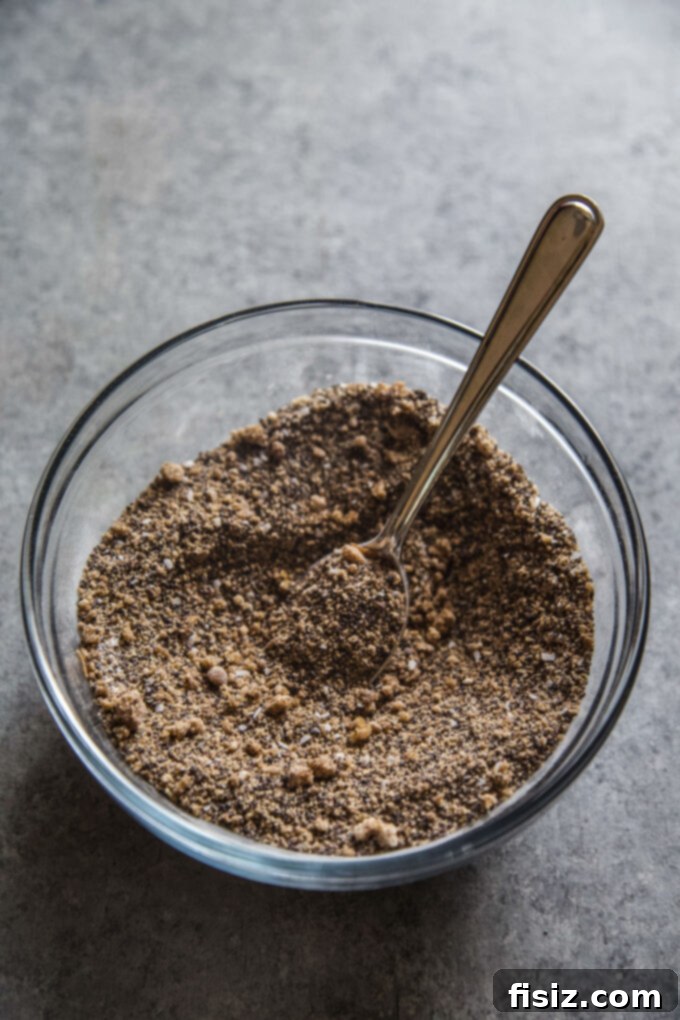
- Craft the Aromatic Coffee Dry Rub: In a small bowl, combine the ground coffee, brown sugar, garlic powder, cayenne pepper, kosher salt, and freshly ground black pepper. Mix thoroughly until all ingredients are evenly distributed, creating a fragrant and rich-colored rub.
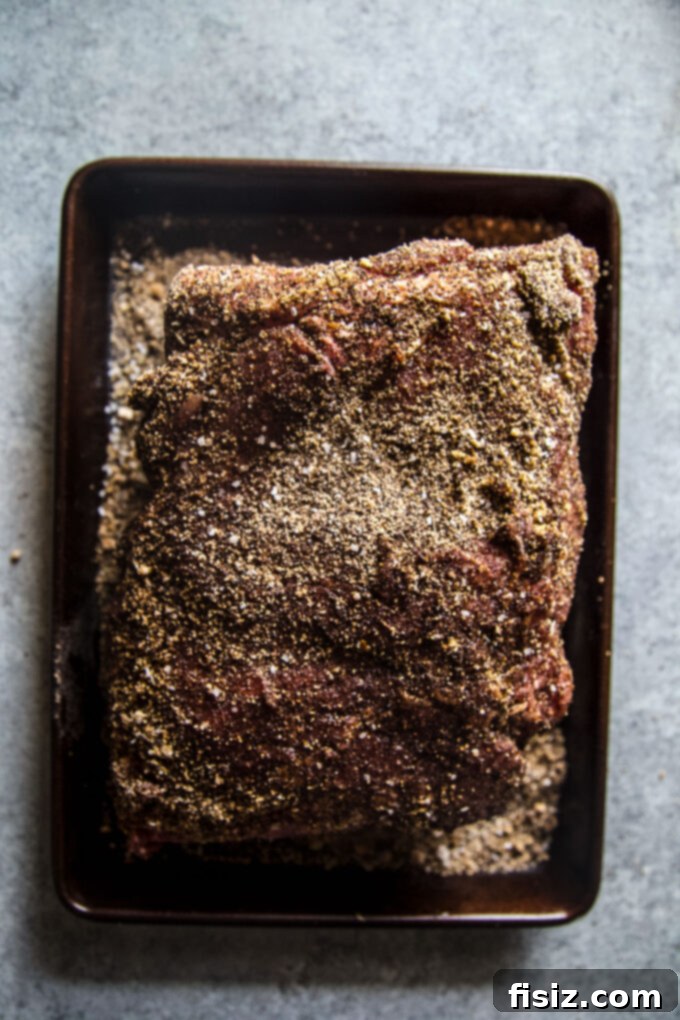
- Prepare and Rub the Pork: Place your pork shoulder on a baking sheet or a large platter. Using paper towels, thoroughly pat the pork dry on all sides. This critical step ensures the rub adheres properly and promotes a crispy crust during searing. Take the prepared coffee seasoning and generously rub it all over the pork, making sure to coat every surface, including any crevices. Don’t be shy—use your hands to really work the rub into the meat.
- Sear for Flavor and Crust: Heat a large Dutch oven over medium-high heat on your stovetop. Add the olive oil and allow it to shimmer. Carefully place the seasoned pork shoulder into the hot Dutch oven. Sear the pork on all sides (usually 2 to 3 minutes per side) until a beautiful, dark, and crusty layer forms. This searing locks in juices and develops deep, complex flavors.
- Initial High-Heat Roast and Simmer: Once seared, pour the beef or chicken broth into the Dutch oven around the pork. Place the uncovered Dutch oven directly into your preheated 425°F (220°C) oven. Cook for approximately 20 minutes at this higher temperature. This initial blast of heat helps to further develop the crust and kickstart the roasting process.
- The Slow Roasting Phase: After 20 minutes, reduce the oven temperature significantly to 250°F (120°C). Continue to cook the pork, still uncovered, for another 4 to 4.5 hours. The exact cooking time will vary depending on the size and fat content of your pork shoulder, but the goal is an internal temperature of 180°F (82°C). Begin checking the internal temperature with a meat thermometer after about 3 hours, and then every hour or so, to gauge its progress. If the liquid in the bottom of the Dutch oven starts to dry out, don’t hesitate to add a bit more broth to keep the pork moist. This low-and-slow approach is key to achieving that incredibly tender, fall-apart texture.
- Rest and Revel: Once the pork reaches the desired internal temperature and is wonderfully tender, carefully remove the Dutch oven from the oven. Transfer the pork to a cutting board or platter, cover it loosely with foil, and allow it to rest for at least 10-15 minutes before carving or shredding. This resting period is crucial, as it allows the juices to redistribute throughout the meat, ensuring every bite is succulent and flavorful. Then, it’s time to slice or shred and enjoy your culinary masterpiece!
Helpful Tips for Perfect Coffee-Rubbed Pork Every Time
Achieving a perfectly tender and flavorful coffee-rubbed pork shoulder is simpler than you might think, especially with a few expert tips. These pointers will help ensure your roast is moist, succulent, and boasts that irresistible crispy crust:
- The Importance of Patting Dry: Before applying the rub, always pat the pork shoulder or butt thoroughly dry with paper towels. Excess moisture on the surface of the meat will prevent the rub from adhering properly and will hinder the formation of that desirable crispy, flavorful crust during searing. A dry surface allows for a better Maillard reaction.
- Generous and Thorough Rubbing: Don’t be shy with the rub! Use your hands and fingers to massage the coffee rub generously into every surface of the pork, including all the nooks, crannies, and crevices. This ensures maximum flavor penetration and an even crust. The more contact the rub has with the meat, the more pronounced the flavors will be.
- Adjusting Cooking Time for Size: The cooking times provided in this recipe are based on a 5 to 7-pound pork shoulder cut. If your pork cut is significantly smaller or larger, you will need to adjust the cooking time accordingly. A larger cut will naturally require more time in the oven, while a smaller one will cook faster. Always rely on an accurate meat thermometer to reach the target internal temperature of 180°F (82°C) for optimal tenderness, rather than strictly adhering to a timer.
- Dutch Oven Size Matters: Ensure you use a large enough Dutch oven to comfortably fit your pork cut. A snug fit is fine, but it shouldn’t be crammed, as this can impede even cooking and crust development.
- Maintain Moisture with Broth: During the long slow roast, keep an eye on the liquid level in the bottom of your Dutch oven. If it starts to evaporate too much, add more beef, chicken, or vegetable broth as needed. This helps to create a moist environment, preventing the pork from drying out and contributing to its tender texture.
- Crucial Resting Period: This step is non-negotiable! Once the pork is out of the oven, transfer it to a cutting board, tent it loosely with foil, and let it rest for at least 10-15 minutes (or even longer for larger cuts). Resting allows the meat fibers to relax and reabsorb the juices that have migrated to the center during cooking. Skipping this step will result in juices running out when you slice or shred, leading to dry meat.
- Don’t Fear the Fat: Pork shoulder typically has a fat cap. While you can trim some of the excess, leaving a good portion of it on helps keep the meat moist and adds incredible flavor as it renders down during the long cooking process.
Frequently Asked Questions About Coffee-Rubbed Pork Shoulder
Many home cooks have questions when venturing into new flavor territories. Here are answers to some common inquiries about making this delicious coffee-rubbed pork shoulder:
- Can I customize the dry rub with other spices?
Absolutely! The beauty of a dry rub is its versatility. Feel free to experiment by adding or swapping out spices to suit your taste. Other earthy and spicy additions that pair wonderfully with pork and coffee include smoked paprika, cumin, onion powder, mustard powder, chili powder, coriander, or even a touch of brown mustard seeds. Start with small amounts and adjust to your preference. - Is it beneficial to let the rub sit on the pork longer?
Yes, definitely! The longer the coffee rub has contact with the pork, the more deeply the flavors will penetrate the meat. For an even more intense and flavorful result, consider applying the rub the night before and refrigerating the pork, uncovered, for 8-12 hours. This also helps to dry the surface further, promoting a crispier crust. Just remember to bring the pork to room temperature for about an hour before searing. - Can I prepare a batch of the dry rub ahead of time?
Absolutely! Making a larger batch of your coffee dry rub is a fantastic idea for meal prepping or for quick future meals. Store it in an airtight, tightly lidded jar or container in a cool, dark pantry. This will prevent it from oxidizing and clumping together, ensuring it stays fresh and potent for several weeks. When you’re ready to cook, simply grab your pre-made rub and go!
Serving and Storing Your Oven Roasted Coffee-Rubbed Pork Shoulder
Once your Oven Roasted Coffee-Rubbed Pork Shoulder is perfectly tender and flavorful, the possibilities for serving are endless. This versatile dish is perfect for a hearty family dinner or an impressive gathering:
For a classic and satisfying meal, serve your succulent pork with a generous side of fluffy rice, creamy mashed potatoes, or a zesty potato salad. It also pairs wonderfully with lighter, fresh side dishes like a vibrant Buffalo Chickpea Salad or a refreshing Grilled Corn, Burrata, and Poblano Salad. Don’t forget some warm cornbread or crusty bread to soak up all those delicious pan juices!
Leftovers, if you’re lucky enough to have any, are just as delicious the next day. Place any remaining pork in an airtight sealed container or wrap it tightly with aluminum foil before storing it in the refrigerator. It will stay fresh for up to three days. For longer storage, this coffee-rubbed pork freezes exceptionally well. Portion it into freezer-safe bags or containers and store for up to a month or two. To reheat, gently warm it in the oven (covered with foil to prevent drying) or in the microwave until thoroughly heated through. A splash of extra broth can help retain moisture during reheating.
Oven Roasted Coffee-Rubbed Pork Shoulder
6
15 minutes
4 hours
30 minutes
4 hours
45 minutes
Pin Recipe
Leave a Review »
Ingredients
-
1
5 to 7lb
Bone-in pork shoulder or pork butt -
2
tbsp
Olive oil -
1/4
cup
Coffee grounds -
1
cup
Brown sugar -
2
tbsp
Garlic powder -
3/4
tsp
Cayenne -
1
cup
Beef broth - Kosher salt and pepper to taste
Instructions
-
Preheat your oven to 425 degrees F (220 C).
-
In a small bowl, combine ground coffee, brown sugar, garlic powder, cayenne pepper, kosher salt, and pepper. Take your pork shoulder and place it on a baking sheet or large plate, and pat dry thoroughly with paper towels. Take the prepared coffee seasoning and generously rub it all over the pork, ensuring it’s evenly coated on all sides.
-
Next, take a large Dutch oven and preheat it to medium-high heat on the stovetop. Add olive oil to the Dutch oven. Sear the pork shoulder on all sides for about 2 to 3 minutes per side until a deep brown crust forms. Add the beef or chicken broth to the Dutch oven around the pork. Place the Dutch oven, uncovered, into the preheated oven to cook for about 20 minutes.
-
Reduce the oven temperature to 250 degrees F (120 C) and continue to cook the pork (still uncovered) for another 4 to 4.5 hours or until the internal temperature reaches 180 degrees F (82 C). Once the pork is cooking at 250 degrees, check the temperature every hour or so to gauge its progress. Cooking time can vary depending on the size and fat content of the pork shoulder. If needed, add more broth to the bottom of the Dutch oven to prevent it from drying out. Once the desired internal temperature is reached, remove the pork from the oven and let it rest, loosely tented with foil, for at least 10-15 minutes before serving.
Lauren Grier
Dinner
American
Did you make this recipe?
Please leave a comment below and share a photo on Instagram with the hashtag #thecuriousplate!