
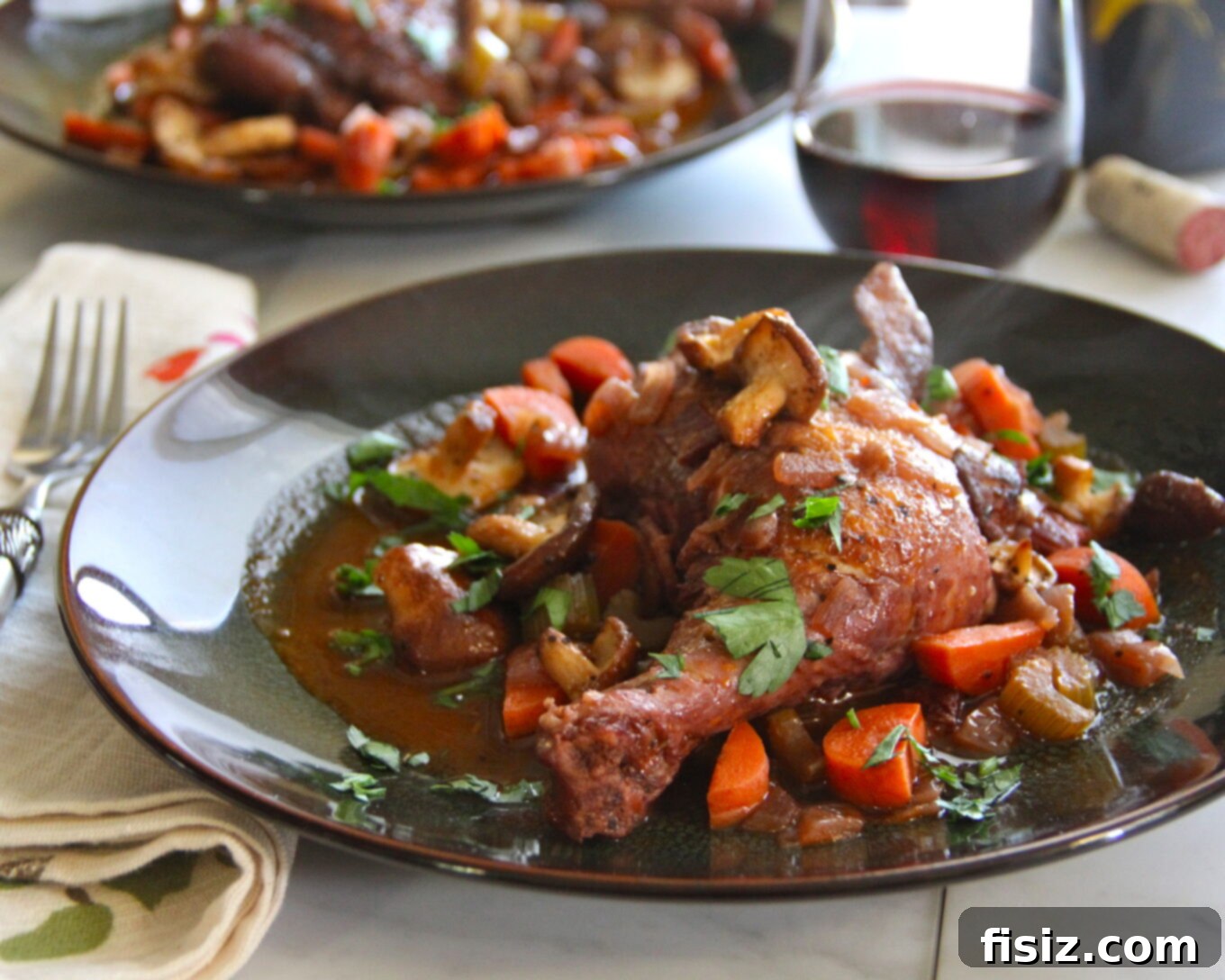
Mastering the Art of Coq Au Vin: A Timeless French Classic
Do you remember the iconic 90s film, The Mask, starring the incomparable Jim Carrey? It’s a cinematic gem filled with unforgettable moments and brilliant one-liners. If you’re anything like us, the phrase “Ssssssssssmokin’!” still brings a smile to your face. While Jim Carrey’s antics and Cameron Diaz’s breakout performance certainly left their mark, one particular scene stands out for its unexpected charm and French flair.
Picture this: The Mask, in his signature green persona, attempting to woo Cameron Diaz with a thick, exaggerated French accent. “Hello, Cherie. We meet again. Is it fate? Is it meant to be? Is it written in the stars that we are destined to fraternize? I’d like to think so.” Then, with a puff of smoke, he conjures a heart with an arrow – a truly theatrical display of affection. Only Jim Carrey could pull off such a delightfully over-the-top performance, complete with a French accent, while sporting a vibrant green mask.
While we won’t be asking you to don a green mask or practice your French accent in the kitchen, we invite you to embrace the romance and culinary artistry of a truly classic French dish: Coq au Vin. Far from being an intimidating gourmet creation, Coq au Vin, which simply translates to “chicken with wine,” is a surprisingly accessible and incredibly rewarding meal. It’s a dish that, much like a memorable movie scene, leaves a lasting impression with its rich flavors and comforting embrace.
The Legacy of Julia Child: Bringing French Cuisine to American Homes
For many, the mention of Coq au Vin immediately brings to mind the legendary Julia Child. It was her groundbreaking work that first introduced and popularized this exquisite French stew to American households in the 1960s. Through her seminal cookbook, Mastering the Art of French Cooking, and her beloved television show, Julia Child demystified French cuisine, transforming it from an intimidating culinary art form into something achievable and enjoyable for the home cook.
Julia Child possessed a remarkable ability to explain complex techniques in a clear, encouraging manner, empowering countless individuals to experiment with French cooking. Coq au Vin, with its robust flavors and hearty appeal, perfectly embodies her philosophy: that good food, even “gourmet” food, should be a source of joy and not an impossible challenge. Despite its sophisticated reputation, once you delve into the steps, you’ll discover that this dish is remarkably straightforward, requiring more patience than intricate skill. It’s no wonder Julia Child became such an ardent promoter of this particular recipe – it perfectly showcases how simple, quality ingredients, when treated with respect, can create culinary magic.
Coq Au Vin: A Rustic Dish with Elegant Flavors
At its heart, Coq au Vin is a rustic French stew, traditionally made with chicken (originally an older rooster, or “coq”) braised slowly in red wine, typically Burgundy, along with lardons (cured pork belly or bacon), mushrooms, onions, and garlic. The beauty of this dish lies in its ability to transform humble ingredients into a symphony of deep, comforting flavors. The slow braising process tenderizes the chicken, allowing it to absorb the rich, aromatic essence of the wine and herbs, resulting in a dish that is both hearty and incredibly refined.
While the name might sound fancy, the preparation is surprisingly uncomplicated. It’s essentially a one-pot wonder, where layers of flavor are built step by step. From browning the chicken to rendering the bacon, sautéing the vegetables, and finally simmering everything in a generous amount of red wine, each stage contributes to the dish’s incredible depth. The result is a savory, saucy masterpiece that feels both elegant enough for a special occasion and comforting enough for a cozy weeknight meal. It’s the kind of dish that warms you from the inside out, truly embodying the spirit of classic French home cooking.
Demystifying the Process: Simplicity in Every Step
Many home cooks might initially feel intimidated by French recipes, imagining them to be overly complicated or requiring specialized techniques. Coq au Vin, however, is a wonderful entry point into French cuisine because it dispels this myth. The true secret to its success lies not in complexity, but in patience and understanding the progression of flavors. You’ll soon discover that the process is more about allowing good ingredients to shine than it is about intricate knife work or advanced culinary skills.
The journey to a perfect Coq au Vin begins with browning the chicken. This isn’t just about color; it’s about building a foundational layer of flavor through the Maillard reaction, creating rich, savory notes that will permeate the entire dish. Next, the bacon is rendered, providing a smoky depth and delicious fat in which to sauté the aromatic vegetables – carrots, onions, and celery. These ingredients sweat down, releasing their sweet essence and creating the base for your luxurious sauce. Deglazing the pot with wine then captures all those beautiful browned bits from the bottom, incorporating them back into the sauce for even more complexity. Finally, everything braises slowly, allowing the chicken to become incredibly tender and the flavors to meld into a harmonious stew. It’s a truly satisfying cooking experience that culminates in a truly spectacular meal.
Key Ingredients and Their Role
Choosing the Right Chicken
For Coq au Vin, bone-in, skin-on chicken pieces are paramount. Chicken thighs and drumsticks are ideal because they hold up well to the long braising process, remaining moist and flavorful, unlike leaner breast meat which can dry out. The bone contributes significantly to the richness of the sauce, imparting a deeper, more savory chicken flavor.
The Importance of Bacon (Lardons)
Bacon, or traditionally French lardons, is more than just a garnish; it’s a foundational flavor component. When cooked, the bacon renders its fat, which is then used to brown the chicken and sauté the vegetables, infusing the entire dish with a smoky, savory essence. The crispy bacon bits (lardons) are typically added back at the end, providing a delightful textural contrast.
The Aromatic Vegetables
Onions, carrots, and celery form the classic French mirepoix, the aromatic base for countless stews and sauces. When slowly cooked, these vegetables soften and release their natural sweetness, adding depth and balance to the rich wine sauce. Their gentle presence enhances, rather than overwhelms, the other flavors.
Selecting the Perfect Wine
The “vin” in Coq au Vin is crucial. While red Burgundy is the traditional choice, any good quality, dry red wine that you enjoy drinking will work beautifully. Pinot Noir, Merlot, or Cabernet Sauvignon are excellent alternatives. The key is to avoid anything overly sweet or with very strong tannins, as these can become concentrated and bitter during cooking. Remember the old adage: if you wouldn’t drink it, don’t cook with it!
The Earthy Essence of Mushrooms
Mushrooms add an earthy, umami depth to Coq au Vin that complements the other rich flavors perfectly. Shiitake, cremini (baby bellas), or button mushrooms are all excellent choices. Sautéing them separately at the end ensures they retain their texture and adds a final flourish of flavor and visual appeal to the finished dish.
Tips for Achieving Coq Au Vin Perfection
While Coq au Vin is straightforward, a few key tips can elevate your dish from good to truly extraordinary:
- Mise en Place: Prepare all your ingredients (chop vegetables, measure wine, etc.) before you start cooking. This French culinary principle ensures a smooth, stress-free cooking process.
- Don’t Overcrowd the Pot: When browning the chicken, work in batches if necessary. Overcrowding lowers the temperature of the pot, preventing proper browning and resulting in steamed chicken rather than beautifully caramelized pieces.
- Scrape the Bottom: After browning the chicken and sautéing the vegetables, use the wine to deglaze the pot. Scrape up all the browned bits (fond) from the bottom; these are packed with flavor and will dissolve into your sauce.
- Quality Wine Matters: As mentioned, use a wine you would happily drink. Its flavor will concentrate as it cooks, so a better wine will yield a better sauce.
- Low and Slow Braising: The magic of Coq au Vin happens during the long, slow braise. This allows the chicken to become incredibly tender and the flavors to meld beautifully. Resist the urge to rush this step.
- Taste and Adjust Seasoning: Always taste your sauce before serving and adjust salt and pepper as needed. A final squeeze of lemon juice can also brighten the flavors.
- Make Ahead Advantage: Coq au Vin is one of those dishes that often tastes even better the next day. The flavors have more time to deepen and develop, making it an excellent choice for entertaining.
Serving Suggestions and Pairings
Coq au Vin is a complete meal in itself, but it truly shines when served alongside simple accompaniments that soak up its glorious sauce. Creamy mashed potatoes, fluffy egg noodles, or a bed of wild rice are classic choices. A crusty baguette is also indispensable for mopping up every last drop of the rich gravy. To balance the richness of the stew, a simple green salad with a light vinaigrette makes for a refreshing counterpoint. And, of course, enjoy your culinary creation with a glass of the same red wine you used in the dish – a perfect pairing that completes the authentic French dining experience.
So, gather your ingredients and prepare to embark on a delightful culinary adventure. Before you know it, you might find yourself feeling as charmed and charismatic as Jim Carrey’s Mask, perhaps even doing a little conga dance around your kitchen. Both Julia Child and Jim Carrey would certainly approve of the joy this classic French dish brings!
Coq Au Vin
Prep Time: 30 minutes
Cook Time: 1 hour
Ingredients:
3 tablespoons olive oil
4 skin-on, bone-in chicken legs
4 pieces bacon, cut into 1-inch pieces
3 carrots, chopped
3 celery stalks, chopped
1 yellow onion, chopped
3 cups dry red wine (such as Pinot Noir or Burgundy)
1/2 can (approx. 3 oz) tomato paste
1 large container (approx. 32 oz) chicken broth (more if needed)
6 sprigs fresh thyme
3 sprigs fresh rosemary
1 1/2 cups shiitake mushrooms, sliced (or cremini/button mushrooms)
Salt and freshly ground black pepper, to taste
Fresh parsley, chopped, for garnish
Directions:
1. Preheat your oven to 350 degrees Fahrenheit (175°C).
2. In a large Dutch oven or oven-safe pot, heat 2 tablespoons of olive oil over medium-high heat. Season the chicken legs generously with salt and pepper. Place the chicken skin-side down in the hot oil and brown on all sides until golden, about 5-7 minutes per side. Remove the browned chicken and set aside on a plate.
3. Add the bacon pieces to the Dutch oven and cook over medium heat until crisp and the fat has rendered. Use a slotted spoon to remove the cooked bacon, placing it on a plate lined with a paper towel to drain. Reserve the bacon fat in the pot.
4. Add the chopped carrots, onions, and celery to the Dutch oven with the bacon fat. Season with a pinch of salt and pepper. Cook, stirring occasionally, until the vegetables have softened, which will take about 5 to 7 minutes.
5. Stir in the tomato paste and cook for another 1-2 minutes, allowing it to slightly caramelize. Pour in 1 cup of the red wine, scraping the bottom of the pot with a wooden spoon to deglaze and release any browned bits. Simmer for about 3 minutes.
6. Add the remaining 2 cups of red wine and bring the mixture to a boil. Allow it to boil vigorously until the liquid has reduced by about half, intensifying its flavor. This usually takes about 5-7 minutes.
7. Return the browned chicken legs to the Dutch oven. Pour in enough chicken broth to almost cover the chicken. Add the reserved crispy bacon, fresh thyme sprigs, and rosemary sprigs to the pot. Bring the liquid back to a gentle boil, then cover the Dutch oven with its lid.
8. Carefully transfer the covered Dutch oven to the preheated oven and braise for about 1 hour, or until the chicken is fork-tender and cooked through.
9. While the chicken is braising, heat the remaining 1 tablespoon of olive oil in a medium skillet over medium heat. Add the sliced mushrooms with a little salt and pepper. Sauté until the mushrooms are tender and lightly browned, about 5-7 minutes. Set aside.
10. Once the Coq Au Vin is done, carefully remove the Dutch oven from the oven. Discard the thyme and rosemary sprigs. To serve, place one chicken leg in a shallow bowl. Spoon a generous amount of the rich sauce, carrots, and onions over the chicken. Top with the sautéed mushrooms and garnish with freshly chopped parsley. Serve immediately and enjoy with a glass of the same delicious red wine!
recipe from Bon Appetit
All images and text ©Lauren Grier for The Curious Plate