
Anchovies: The Surprising Secret to Unlocking Unforgettable Umami Flavor
Wait. Don’t leave! Before you even think about clicking away, let us challenge everything you thought you knew about one of the most misunderstood ingredients in the culinary world: anchovies. We understand the immediate reaction – perhaps a wrinkle of the nose, a distant memory of a “fishy” pizza, or a resounding, “Ugh, gross!” As kids, many of us associated these small, oily fish with something to avoid at all costs, wondering why anyone would intentionally add them to food.
But what if we told you that your perception of anchovies is based on outdated notions or improper preparation? What if this humble ingredient holds the key to unlocking a depth of flavor in your cooking you never thought possible? Prepare to have your taste buds awakened, because today, we’re putting rumors and misconceptions to rest about this incredibly versatile and flavor-packed fish. When prepared and used correctly, anchovies don’t just add flavor; they create an explosion of savory delight, elevating any dish from ordinary to extraordinary.
Beyond the Gag Reflex: What Exactly Are Anchovies?
Anchovies are small, common saltwater forage fish belonging to the family Engraulidae. They are typically found in large schools in temperate waters worldwide, from the Atlantic to the Pacific, and are a vital part of the marine food chain. Though often confused with sardines, anchovies are smaller, slenderer, and possess a unique silvery flash along their sides. They are members of the Herring family, a diverse group known for their high oil content and nutritional value.
The history of anchovies in human cuisine dates back millennia. During the Roman Empire, anchovies were far from a common food; they were considered an esteemed delicacy, often competing alongside luxury goods like fine perfumes and exotic spices. Romans famously used anchovies to create “garum,” a fermented fish sauce that was a ubiquitous condiment, much like ketchup or soy sauce is today. This ancient appreciation for their intense savory qualities hints at the profound culinary impact these small fish have always held.
The “Fifth Taste” Phenomenon: Anchovies and Umami
Modern science has caught up with ancient wisdom, identifying what many chefs and food enthusiasts instinctively understood: anchovies are a powerhouse of umami. Often described as the “fifth taste” alongside sweet, sour, bitter, and salty, umami is best characterized as a savory, meaty, or brothy flavor that deepens and rounds out other tastes. It’s that satisfying richness you find in mushrooms, aged cheeses, cured meats, and tomatoes.
Anchovies are naturally rich in glutamates, the amino acids responsible for the umami sensation. When added to dishes, they don’t necessarily make the food taste “fishy.” Instead, they dissolve and blend, contributing a complex, savory background note that enhances and harmonizes other ingredients. This is why many chefs consider anchovies a secret weapon, capable of transforming otherwise bland dishes into wonderfully complex and satisfying meals. They add a layer of deliciousness that is hard to pinpoint but undeniably present, making everything taste more intensely itself.
Dispelling the Myths: Why Many People Misunderstand Anchovies
The common aversion to anchovies often stems from a few key misconceptions:
- “Too Salty”: Many people have only encountered the heavily salt-cured or brine-packed variety, which, if not properly rinsed or balanced, can indeed be overpoweringly salty. However, this is just one form, and its saltiness is part of its preservation, not necessarily its intended final taste profile without preparation.
- “Overpoweringly Fishy”: This perception often comes from using too much of a strong product, or from experiencing anchovies that haven’t been adequately integrated into a dish. High-quality anchovies, especially those packed in oil, are far less aggressively “fishy” and, as mentioned, are primarily umami contributors. When cooked down or mixed into sauces, their distinct fish flavor mellows significantly, leaving behind only richness.
- Appearance: Let’s be honest, those little brown fillets in a can aren’t the most aesthetically pleasing. But remember the adage: don’t judge a book by its cover, or in this case, a fish by its initial presentation.
The truth is, like any potent ingredient, anchovies require a little understanding and respect. Once you grasp their potential, a world of culinary possibilities opens up.
From Pantry Staple to Culinary Secret Weapon: Different Forms of Anchovies
Anchovies come in several forms, each offering distinct flavors and uses:
- Canned in Oil: This is the most common form found in supermarkets. The fish are gutted, salt-brined, and then packed tightly in cans or jars with olive oil or sunflower oil. These fillets are ready to use and offer a moderate saltiness and rich, savory flavor. They can be added directly to dishes or mashed into pastes.
- Anchovy Paste: A convenient option, anchovy paste is essentially anchovy fillets that have been pureed into a smooth paste, often with a little oil and salt. It’s incredibly easy to use – just squeeze a bit into your sauces, dressings, or marinades for an instant umami boost. It disperses quickly and completely, leaving no visual trace of anchovy.
- Salt-Packed Anchovies: Considered the connoisseur’s choice, these anchovies are whole, ungutted (or sometimes gutted) fish cured entirely in salt. They require a bit more preparation, needing to be rinsed thoroughly under cold water to remove excess salt, then filleted and deboned. Their flavor is intensely savory, less “fishy” and more complex than oil-packed versions, often described as having a deeper, more refined umami.
- Fresh Anchovies: A true delicacy in Mediterranean cuisines, fresh anchovies are rarely found outside of coastal regions. When fresh, they can be fried, grilled, or marinated (like boquerones in Spain) for a light, clean, and tender flavor entirely different from their preserved counterparts.
Anchovies in Action: Versatile Culinary Applications
Once you overcome any initial apprehension, you’ll discover that anchovies are incredibly versatile, capable of enhancing a wide array of dishes:
- Classic Dressings: The most famous example is undoubtedly Caesar dressing. The anchovy, often mashed into a paste, is a critical component, providing the foundational savory depth that makes Caesar dressing so irresistible. Without it, the dressing would simply fall flat.
- Sauces and Pastas: Think of a rich, rustic pasta puttanesca, where anchovies melt into the tomato sauce, creating an unparalleled savoriness. They are also fantastic in slow-cooked ragus, marinara sauces, or even just sautéed with garlic and olive oil for a simple, yet profoundly flavorful pasta dish.
- Pizza Topping: While often associated with strong, salty flavors on pizza, a moderate amount of high-quality anchovies, finely chopped and distributed, can add a wonderful, piquant counterpoint to cheese and tomato, especially when paired with capers or olives.
- Compound Butters: This is where anchovies truly shine as a flavor enhancer. Blending them into butter creates a luscious, savory spread that can transform everything it touches.
- Chimichurri and Other Marinades: A touch of anchovy paste can add a surprising depth to herb-based sauces like chimichurri, marinades for meats, or even salad dressings, providing a subtle foundation that makes other flavors pop.
- Roasted Vegetables: Melting a few anchovy fillets with garlic and olive oil before tossing with vegetables like broccoli, cauliflower, or Brussels sprouts before roasting adds a savory crust and incredible flavor.
- Stews and Soups: Similar to a bay leaf, a small amount of anchovy can simmer in a stew or soup, dissolving and contributing a hearty, umami-rich backbone without making the dish taste overtly fishy.
Health Benefits of This Small but Mighty Fish
Beyond their remarkable flavor, anchovies also pack a nutritional punch:
- Rich in Omega-3 Fatty Acids: Like many oily fish, anchovies are an excellent source of omega-3s, which are essential for heart health, brain function, and reducing inflammation.
- High in Protein: They offer a significant amount of high-quality protein, vital for muscle repair and overall bodily functions.
- Vitamins and Minerals: Anchovies are a good source of calcium (especially if you consume the bones, as in some forms), iron, magnesium, phosphorus, potassium, sodium, selenium, and vitamins A, B6, B12, C, E, and K.
- Sustainable Choice: Due to their rapid reproduction rate and position low on the food chain, anchovies are generally considered a more sustainable seafood choice compared to larger, longer-lived fish.
Master the Art of Flavor: Your Gateway to Anchovy Appreciation
Now that we’ve demystified the anchovy, it’s time to put its magical properties to the test. Incorporating anchovies into your cooking is incredibly easy and rewarding. You don’t need a lot to make a big impact; a little goes a long way in amplifying savory notes and adding complexity.
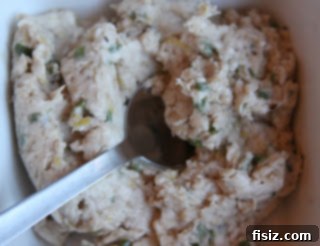
To demonstrate just how simple and delicious anchovy integration can be, we’re going to make something truly special: a luscious Anchovy Chive Butter Compound. This recipe is beyond easy and promises an explosion of flavor that will make you wonder why you ever doubted this incredible ingredient. Get ready to elevate your culinary game with minimal effort!
Featured Recipe: Anchovy Chive Butter Compound
(Recipe inspired by classic compound butter techniques, adapted for optimal flavor.)
Why Compound Butter?
Compound butter, also known as beurre composé, is simply butter mixed with other ingredients like herbs, spices, or aromatics. It’s a chef’s secret weapon for adding a burst of flavor and richness to any dish. In this recipe, the creamy butter acts as the perfect vehicle for the savory anchovy, fresh chives, and bright lemon, creating a harmonious blend that is utterly irresistible. This specific combination results in a spread that’s savory, herbaceous, and zesty – a true culinary delight.
Ingredients:
- 1 stick (8 Tablespoons / 113g) unsalted butter, at room temperature
- 2 Tablespoons anchovy paste (or 4-5 finely minced anchovy fillets, drained)
- 1 Tablespoon fresh chives, finely chopped
- 1 1/2 teaspoons fresh lemon juice
- 1/2 teaspoon lemon zest (from about half a lemon)
- Salt and freshly ground black pepper, to taste (optional, anchovy paste is already salty)
Directions:
- Ensure your butter is truly at room temperature. This makes it much easier to mix evenly without lumps.
- In a small mixing bowl, combine the softened butter, anchovy paste (or minced fillets), chopped chives, fresh lemon juice, and lemon zest.
- Using a spatula or a fork, mix all the ingredients thoroughly until they are well combined and the butter is smooth and uniform in color. Scrape down the sides of the bowl as needed.
- Taste a tiny bit of the butter. If desired, season with a pinch of salt (remembering anchovy paste is quite salty) and freshly ground black pepper. Adjust to your preference.
- For best results and easier handling, you can roll the compound butter into a log using parchment paper or plastic wrap, twist the ends, and chill it in the refrigerator for at least 30 minutes until firm. This allows the flavors to meld beautifully.
- Store the butter compound in an airtight container in the refrigerator for up to two weeks, or freeze for longer storage.
Serving Suggestions & Culinary Inspiration
The beauty of this Anchovy Chive Butter Compound lies in its incredible versatility. It’s a simple addition that delivers gourmet results across a multitude of dishes:
- On Popovers or Crusty Bread: As originally suggested, smear this savory butter on warm Garlic and Cheese Popovers, a fresh baguette, or rustic sourdough. The combination is divine.
- Grilled Meats: A pat of this melting butter on a perfectly grilled steak, lamb chop, or pork tenderloin will elevate the flavor to new heights.
- Seafood: It pairs exceptionally well with grilled or pan-seared fish (like salmon, cod, or swordfish), scallops, or shrimp, adding a rich, umami-laden finish.
- Roasted or Steamed Vegetables: Toss with hot steamed asparagus, green beans, or roasted potatoes for a burst of savory goodness.
- Pasta: Melt a tablespoon into plain hot pasta for an instant, simple, yet deeply flavorful dish.
- Mashed Potatoes: Swirl into your mashed potatoes for an unbelievably rich and savory side dish.
- Eggs: A dollop on scrambled eggs or an omelet makes for a truly gourmet breakfast or brunch.
Conclusion: Embrace the Umami Revolution
See? Aren’t you glad you stuck around? Hopefully, by now, your perception of anchovies has shifted from a dreaded ingredient to a highly anticipated culinary secret weapon. This small, unassuming fish is a testament to the fact that great flavor often comes in unexpected packages.
By understanding their history, appreciating their umami power, and learning how to incorporate them correctly, you’re not just adding anchovies to your pantry; you’re expanding your entire culinary repertoire. So, go ahead. Take the leap. Add anchovies to your “circle of trust” in the kitchen. Experiment with the Anchovy Chive Butter Compound, explore other anchovy-rich recipes, and prepare to be amazed by the depth and complexity they bring to your cooking. Your taste buds, and your guests, will thank you for it.